Across Kenya, county governments continue to invest in upgrading rural and secondary roads. Many of these projects involve relatively short road sections, scattered job sites, and limited construction budgets. Because of this, contractors often look for equipment that is flexible, affordable, and efficient. One question frequently appears during project planning: Is a 40 TPH mini asphalt plant suitable for county road projects in Kenya?
In many cases, contractors evaluate equipment options such as a mini asphalt mixing plant because it offers compact design and moderate production capacity. These plants usually operate within a range of about 10–80 tons per hour and are commonly used for rural road upgrades and municipal paving works. Such output levels often match the real needs of county-level projects rather than oversized highway infrastructure.
The answer ultimately depends on several factors such as project scale, daily paving demand, transportation distance, and project duration. However, for many county-level road works, a 40 TPH mini asphalt plant offers a practical balance between investment cost and production capacity. In this article, we will examine how this type of plant fits the realities of road construction in Kenya and what contractors should consider before making a decision.
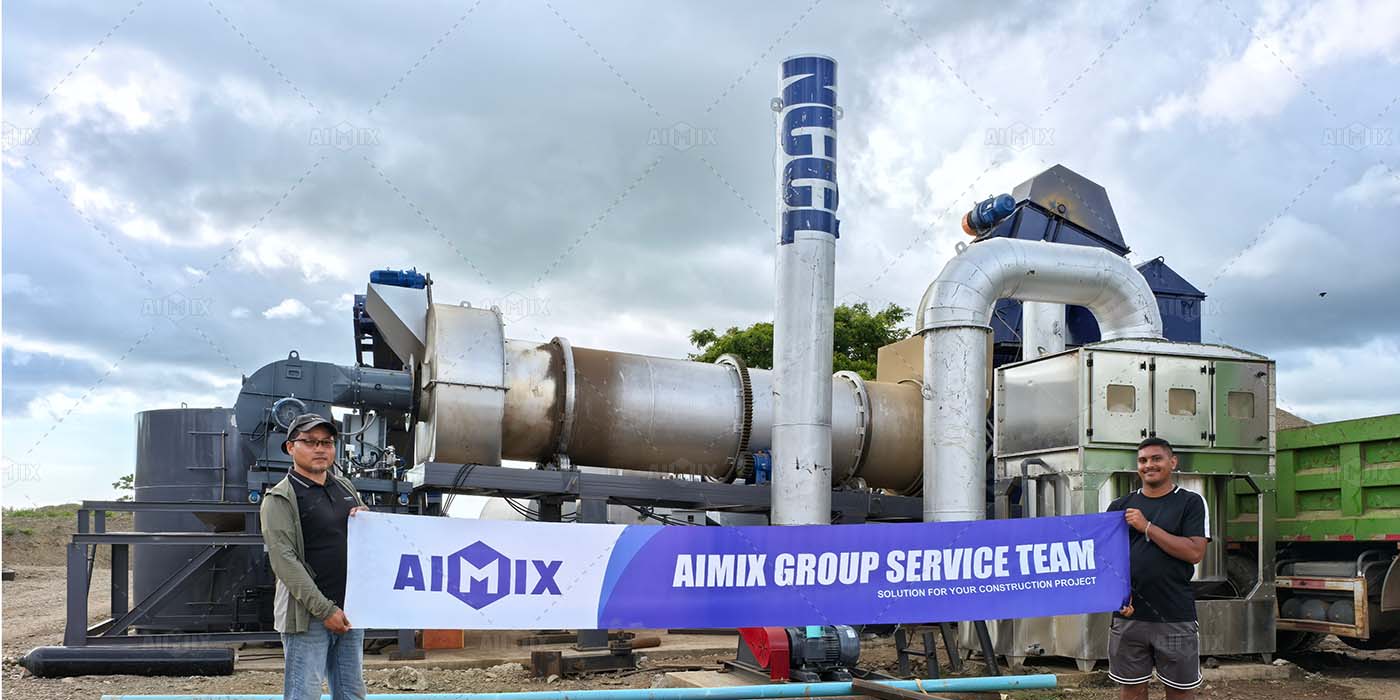
Before evaluating plant capacity, it helps to understand the nature of county road construction projects in Kenya. These projects usually differ from large national highway developments.
Most county governments focus on upgrading gravel roads to bitumen standards, repairing damaged asphalt surfaces, or constructing short connector roads between towns and agricultural areas. Because of this, project sizes remain moderate.
Many county road contracts range between 3 km and 30 km. The required asphalt production volume often falls between 2,000 and 15,000 tons depending on road width and pavement structure.
For example, consider a 10 km county road project with a 6-meter width and a 50 mm asphalt layer. The total asphalt demand may reach around 7,000 to 8,000 tons. A 40 TPH asphalt plant can produce about 320 tons in an 8-hour working day. At this rate, the plant could complete the asphalt supply within roughly 25 working days.
This production rhythm matches the pace of many county-level projects. Therefore, a smaller asphalt plant often provides sufficient output without creating unnecessary equipment costs.
Now that we understand the project scale, we can evaluate how a mini asphalt plant fits these working conditions.

For contractors handling county road projects, equipment mobility and cost control matter as much as production capacity. A 40 TPH mini asphalt plant offers several advantages that align well with these priorities.
Large asphalt plants with capacities above 120 TPH require significant capital investment and complex infrastructure. Many small and medium contractors in Kenya may find this difficult to justify for moderate road contracts.
In contrast, smaller equipment such as a small scale asphalt plant requires much lower startup investment. The installation process is simpler, and operating costs remain manageable. As a result, contractors can recover their investment faster when working on multiple county road contracts throughout the year.
County road projects often spread across different regions. One month the project may sit near Kisumu, and the next project may move to another rural county.
A mini asphalt plant usually features a modular design. Contractors can dismantle and transport it more easily compared with large stationary plants. This flexibility allows contractors to relocate equipment closer to each job site.
When the plant stays near the construction area, asphalt transportation distance becomes shorter. Consequently, contractors reduce fuel costs and minimize temperature loss during delivery.
Finding suitable land for asphalt production can be challenging in some counties due to environmental regulations and land availability.
A compact plant requires a relatively small footprint. Contractors can install the plant in temporary yards near the project location. This approach simplifies site preparation and speeds up project startup.
After examining these advantages, it becomes important to understand how production capacity aligns with paving operations.
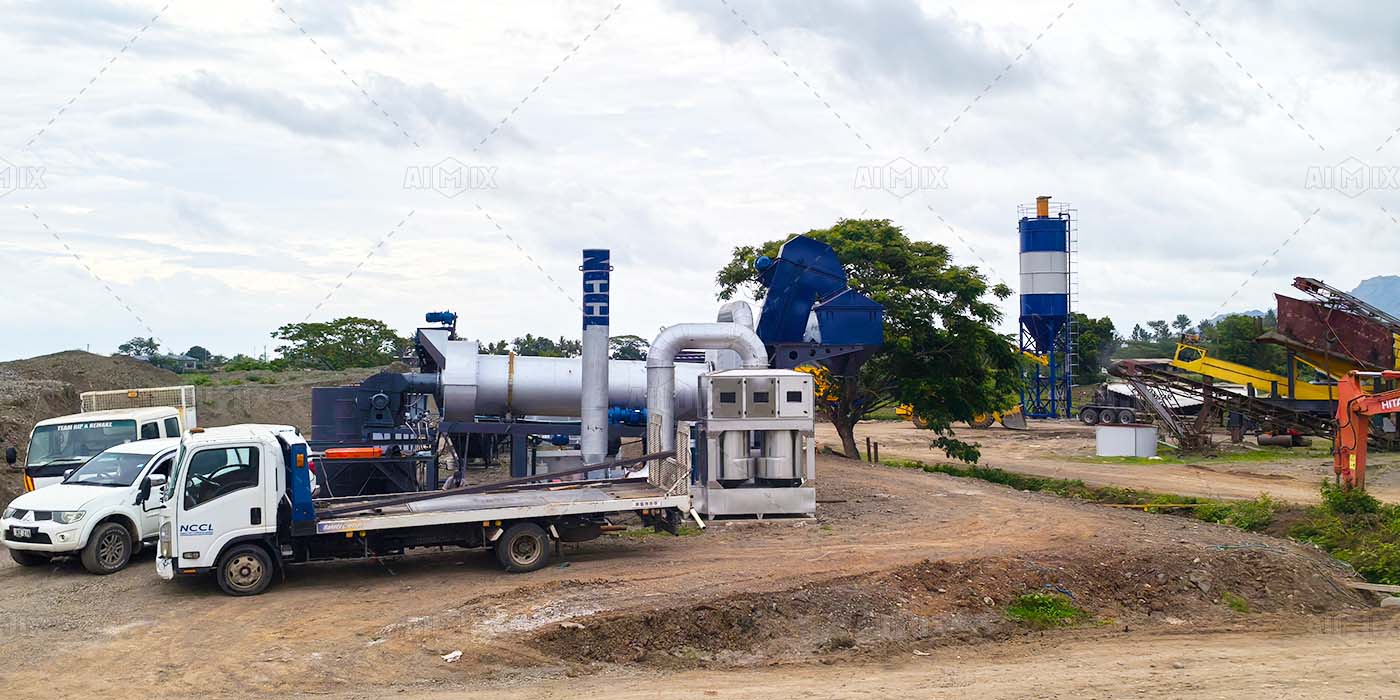
Asphalt production should always match the working rhythm of paving equipment. If production is too low, paving machines must stop frequently. If production is too high, asphalt may cool before placement.
Fortunately, many contractors find that a 40 TPH plant provides a balanced supply rate when paired with standard paving equipment used in county projects.
Many contractors use compact asphalt pavers with widths between 3 and 7 meters. These machines typically place between 200 and 350 tons of asphalt per day.
A 40 TPH plant can produce roughly 300 tons of asphalt in an 8-hour shift. This output aligns closely with the daily paving capacity of these machines. Therefore, the paving workflow remains smooth and continuous.
Transport logistics also influence project efficiency. A medium-sized project may only require four to six dump trucks to transport asphalt between the plant and the paving site.
Short hauling distances improve asphalt temperature control and reduce fuel consumption. As a result, contractors maintain better mix quality while lowering operational costs.
However, capacity alone does not determine plant suitability. Local operating conditions also play an important role.
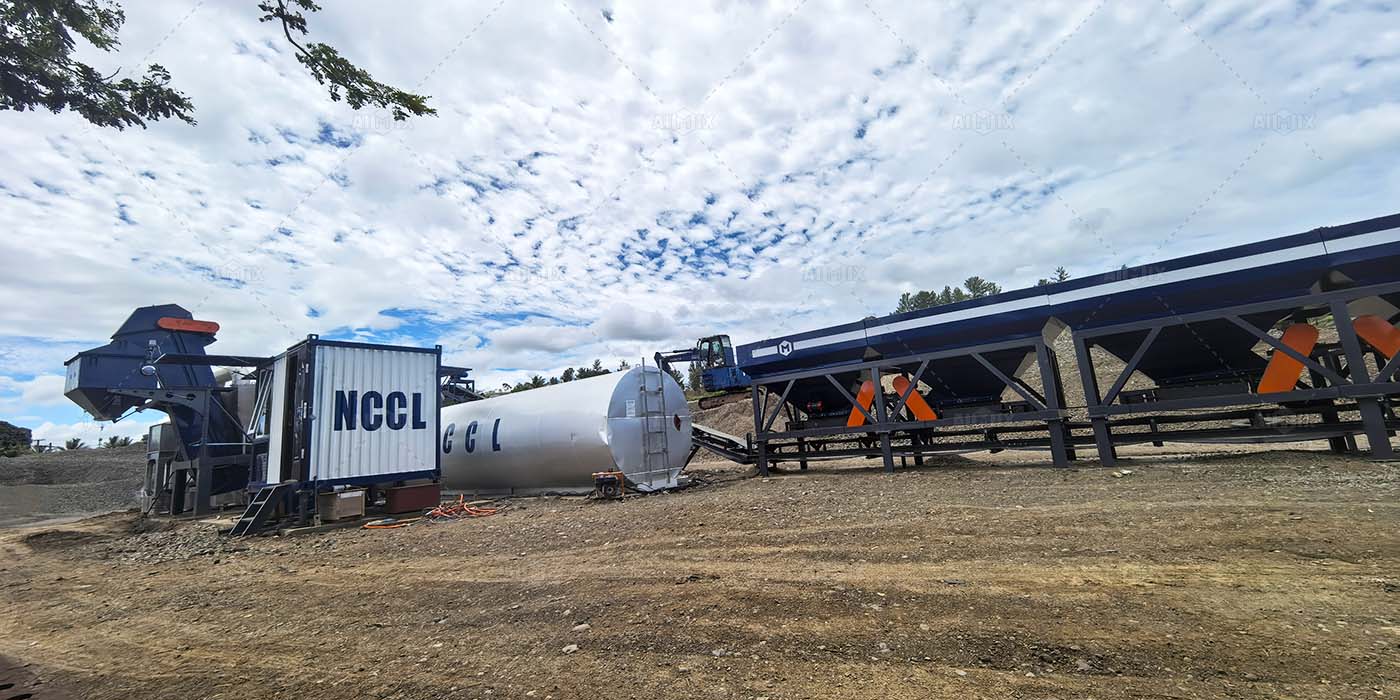
Kenya’s road construction environment presents unique challenges and opportunities. Interestingly, many of these conditions support the use of smaller asphalt plants.
County governments manage many local road improvement projects. These projects usually involve upgrading rural transport networks rather than building large expressways.
Therefore, contractors often prefer flexible equipment that can support multiple small projects instead of relying on one large production facility.
Some county roads pass through agricultural or semi-rural regions where commercial asphalt plants may not exist nearby. Transporting hot mix asphalt from distant facilities increases both cost and risk of material cooling.
By installing an on-site asphalt mixing plant, contractors can produce asphalt close to the construction zone. This approach improves paving efficiency and ensures consistent asphalt quality.
County governments often operate under strict infrastructure budgets. Contractors therefore need solutions that deliver durable pavement without excessive production cost.
A 40 TPH asphalt plant helps meet this requirement by balancing equipment investment and production output.
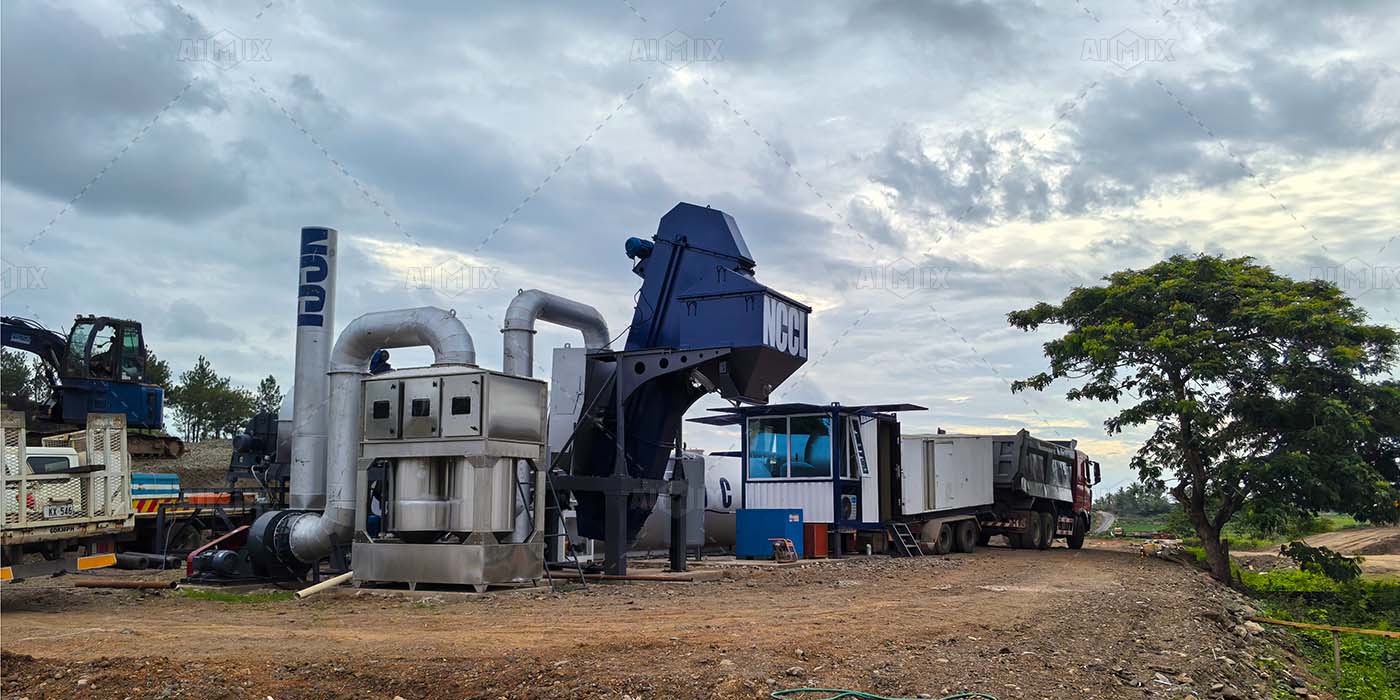
Even though a mini asphalt plant fits many projects, contractors should still evaluate several practical factors before making a purchase.
If a contractor expects to handle very large highway contracts exceeding 50,000 tons of asphalt per year, a larger plant may offer better long-term productivity.
However, companies focusing on county roads, maintenance contracts, and rural infrastructure usually find that a 40 TPH plant provides sufficient capacity.
Contractors who frequently move between project sites should prioritize modular or portable equipment designs. Faster relocation helps companies begin new projects sooner.
Fuel consumption, burner efficiency, and aggregate drying performance also influence overall operating costs. Efficient equipment reduces fuel usage and improves profitability.
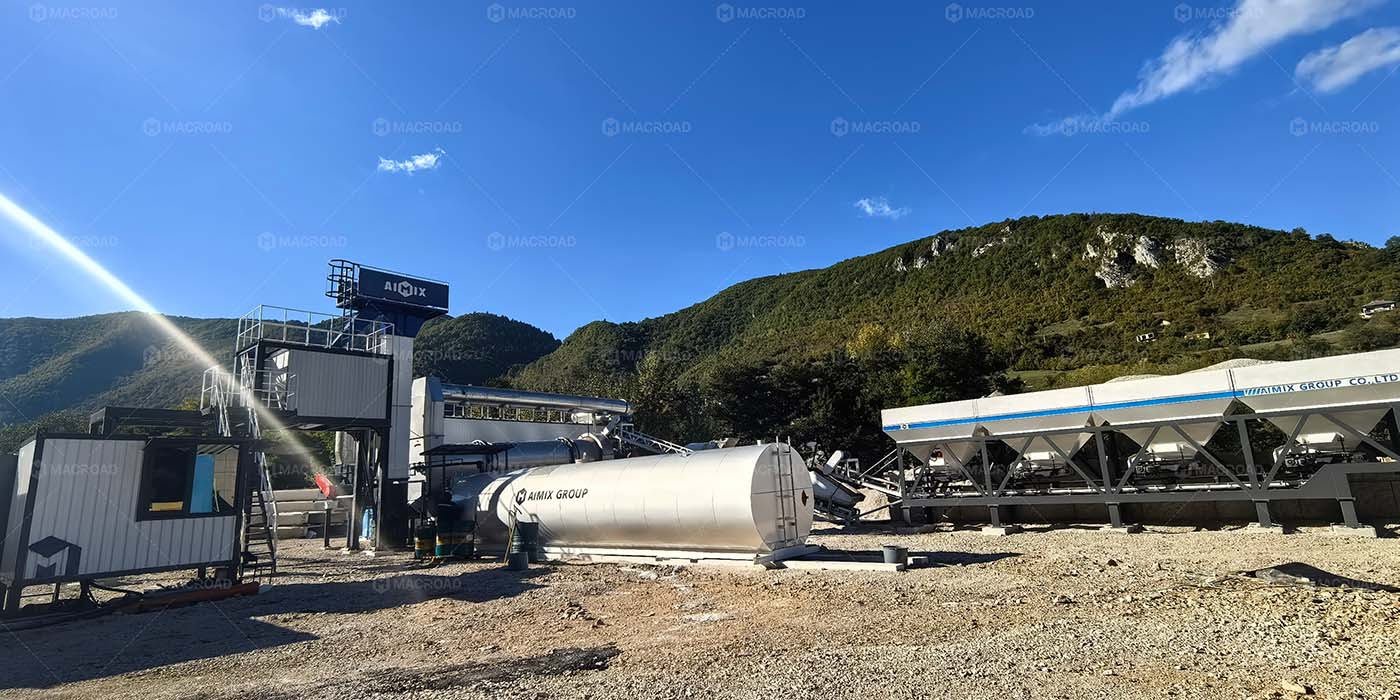
So, is a 40 TPH mini asphalt plant suitable for county road projects in Kenya? In many situations, the answer is yes.
This type of asphalt plant provides balanced production capacity, manageable investment cost, flexible relocation, and efficient logistics. These advantages align well with the structure of many county road construction projects.
If you are planning to participate in county road development projects in Kenya, choosing the right asphalt plant configuration can significantly improve your project efficiency and profitability.
Contact our team today to discuss your project requirements. We can help you select the most suitable asphalt plant solution and support your success in Kenya’s growing road construction market.