Launching a gravel crushing enterprise represents a significant opportunity within the construction materials sector, providing the essential aggregates that form the foundation of infrastructure and development. This venture, however, is far more complex than simply purchasing machinery and processing rock. It is a multifaceted undertaking that demands a confluence of geological, mechanical, logistical, and commercial acumen. Success hinges on a methodical approach that systematically addresses three critical, sequential domains: conducting a comprehensive feasibility and market analysis, mcaking informed capital investments in stone crushing equipment and site infrastructure, and establishing a robust operational and commercial framework. A failure to adequately plan in any one of these areas can jeopardize the entire endeavor. This guide provides a foundational analysis of the essential steps required to transform the concept of a gravel business into a viable, operational entity.
Foundational Analysis: Market Viability and Resource Assessment
Before any capital is committed, a rigorous pre-operational analysis must be conducted. This phase determines whether the business concept is financially and logistically tenable within your target geography.
Market Demand and Competitive Landscape
Thoroughly investigate the local and regional demand for aggregates. Identify active and planned construction projects, public works initiatives, and the needs of concrete plants and asphalt producers. Simultaneously, conduct a competitive analysis. Map the locations and capacities of existing aggregate suppliers. Determine their pricing structures, product gradations, and service areas. Your objective is to identify a market gap—a specific product type, geographic area, or service model (like contract crushing) that is underserved. This gap will form the core of your business strategy and value proposition.
Geological and Regulatory Feasibility
The business is wholly dependent on a secure, legally compliant, and economically viable source of raw material. Engage a professional geologist to assess potential deposits for volume, quality, and overburden. This is not a casual inspection. Core samples must be analyzed for hardness, abrasiveness, and gradation to predict crusher wear and final product yield. In parallel, you must navigate the regulatory landscape. This involves securing mineral rights or a lease, obtaining permits for extraction (often a mining or conditional use permit), and ensuring compliance with zoning, environmental protection, and water use regulations. The permitting process can be protracted and costly; it must be factored into your timeline and budget as a non-negotiable prerequisite.
Strategic Capital Deployment: Equipment and Site Infrastructure
With a viable market and resource confirmed, the focus shifts to building your production asset. The selection and configuration of your crushing circuit is the single most important operational decision.
The Crushing Circuit: Core Machinery Selection
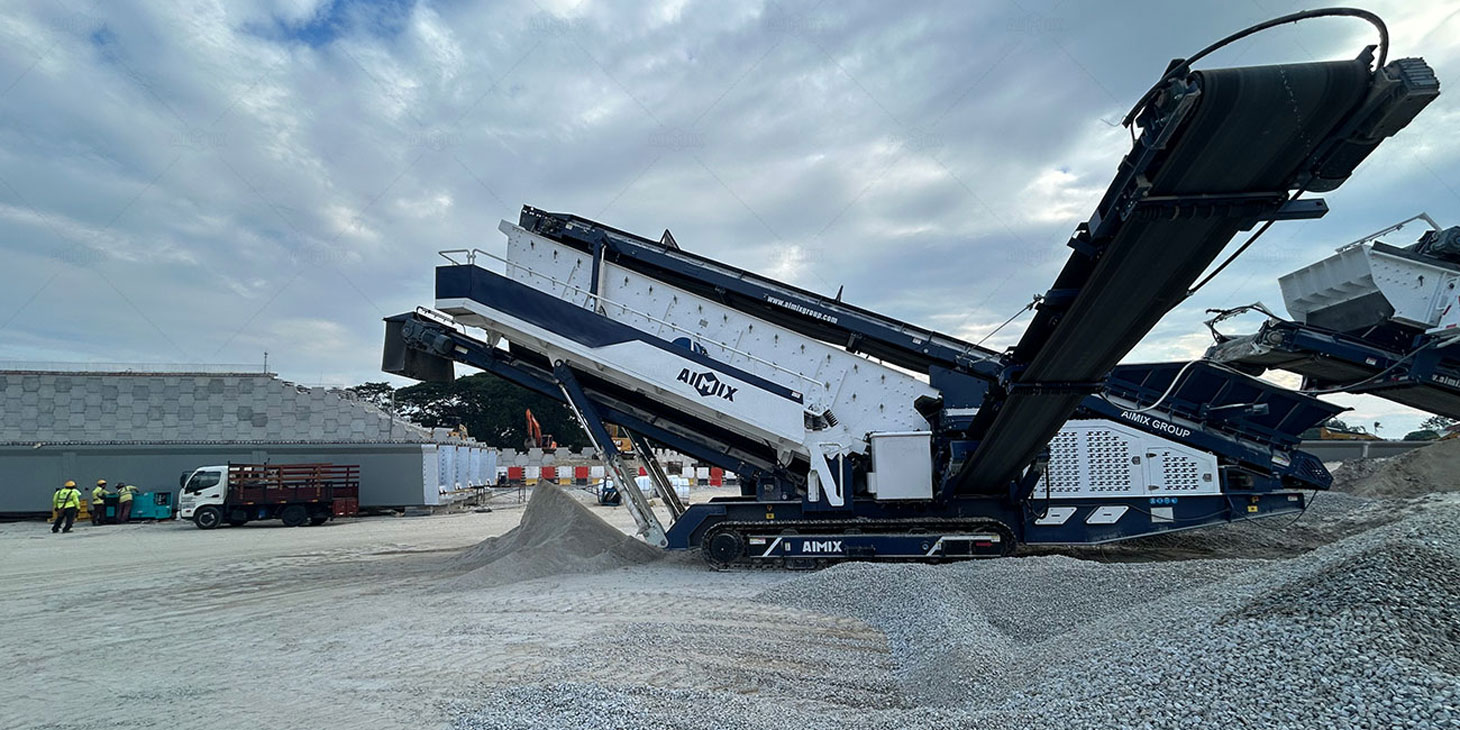
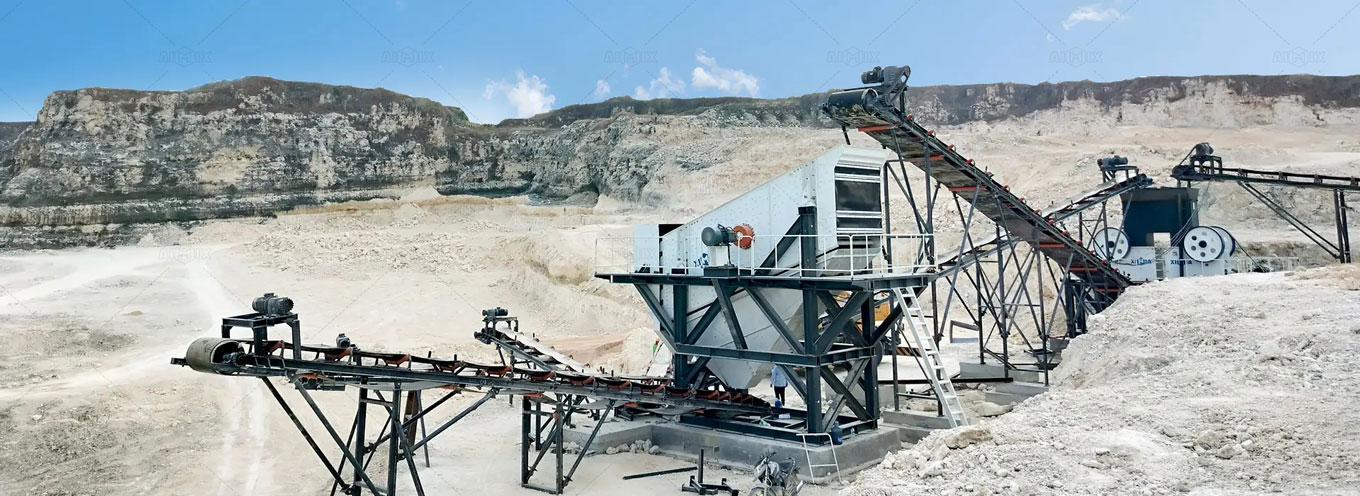
The equipment portfolio must match your material, desired products, and business model. A primary jaw crusher mobile is standard for initial size reduction. A secondary cone crusher will provide better particle shape for higher-value aggregates, while an impact crusher may be suitable for softer rock or recycled concrete. A screening plant is not an accessory; it is essential for separating crushed material into saleable, specification-grade products (e.g., ¾” chip, ⅜” pea gravel, crusher dust). For maximum flexibility, a mobile track-mounted plant is often the optimal choice for a new operation, allowing you to move to the material source or take on contract crushing jobs.
Site Development and Ancillary Assets
The plant requires a prepared site. This includes constructing a stable, well-drained production pad, installing electrical power or securing high-capacity diesel generators, and establishing water access for dust control. You will also need significant ancillary equipment: a wheel loader for feeding the gravel crusher machine and handling stockpiles, and haul trucks or dump trailers for product delivery. Do not underestimate the capital required for these supporting assets; they are critical for a functional operation.
Operational and Commercial Framework: Launch and Growth
The final phase involves establishing the business processes that will ensure daily efficiency, financial control, and market growth.
Production Logistics and Quality Assurance
Develop a systematic approach to production. This includes establishing safe and efficient traffic flow patterns on site, implementing a rigorous quality control protocol with frequent sieve analysis to ensure product gradation, and maintaining meticulous maintenance schedules for all equipment. Downtime is the primary enemy of profitability; predictive and preventative maintenance is a core business discipline, not an optional task.
Commercialization and Financial Management
You must formalize your business structure (LLC or corporation is strongly advised for liability protection) and secure appropriate insurance. Develop a transparent pricing model based on your production costs, market rates, and delivery logistics. Establish clear sales terms and invoicing procedures. Crucially, implement robust financial management from day one. Use accounting software to track every cost element—fuel, wear parts, labor, maintenance—against revenue. This data is vital for understanding your true cost per ton, your profitability, and for making informed decisions about pricing and future capital investments. The initial goal is not merely to operate, but to generate the data-driven insights that will allow you to optimize and scale the business sustainably.