When planning residential street paving projects in Lagos, Nigeria, one of the first questions contractors and municipal planners ask is: "Will an 80 t/h asphalt plant meet our project demands?" The answer depends on multiple factors, including project size, work schedule, and material requirements. In this article, we will analyze the practicality of using 80 t/h asphalt plants for residential streets in Lagos, providing guidance to help contractors make informed decisions.
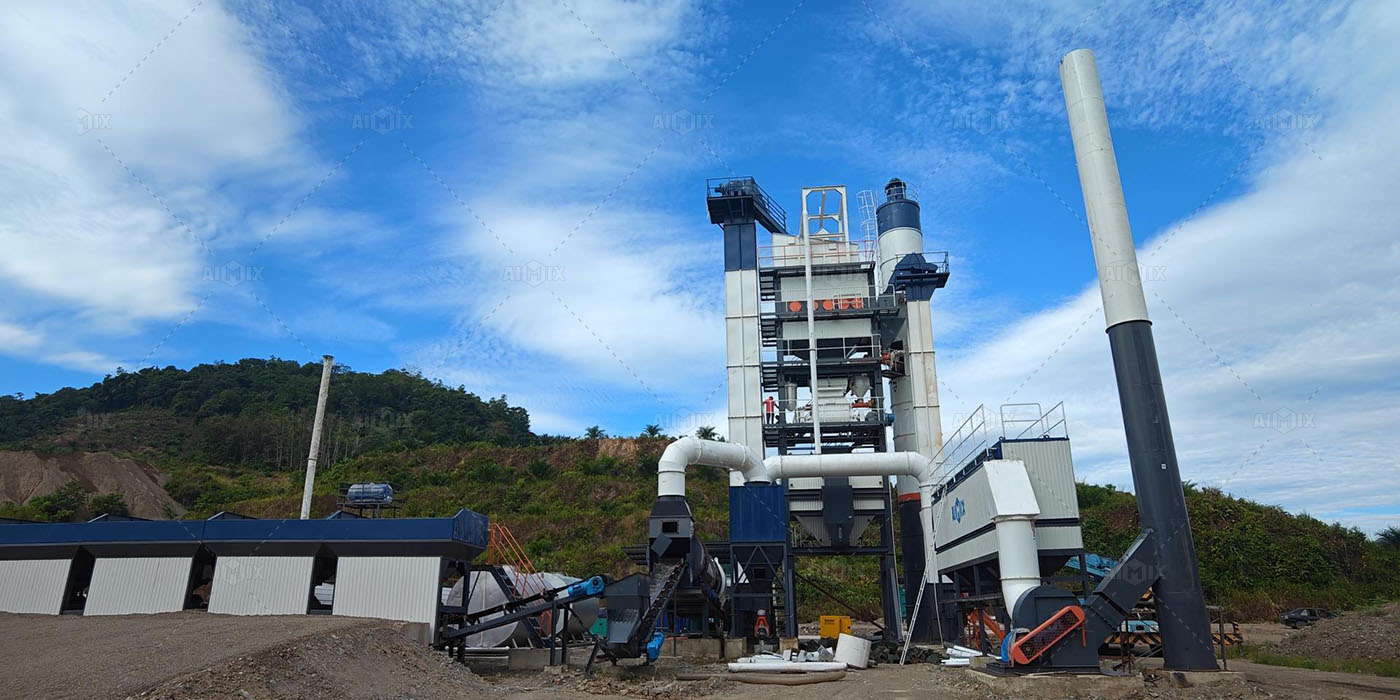
Lagos, being one of the fastest-growing cities in Africa, experiences rapid urban expansion. Residential street paving projects often involve narrow roads, frequent utility installations, and heavy traffic interruptions. Contractors need to consider the following:
Most residential streets in Lagos range between 4 to 10 meters in width and extend up to several kilometers in length. Despite being smaller than highways, these projects still require consistent asphalt supply to ensure smooth, continuous paving. Choosing reliable asphalt mixing plant machinery is crucial to meet these requirements efficiently.
Construction often takes place alongside active neighborhoods. Contractors cannot close roads for extended periods. Efficient scheduling and quick asphalt delivery are crucial. Here, plant capacity directly affects paving speed and quality.
Given these challenges, the next step is to determine whether an 80 t/h asphalt plant can keep up with project demands without causing delays.
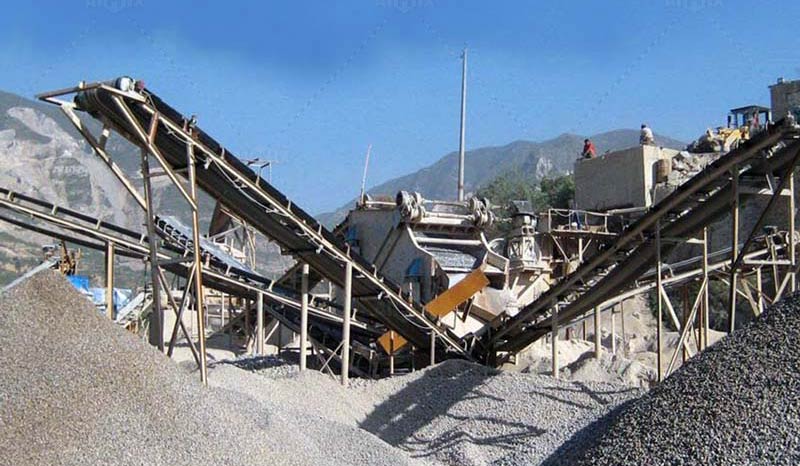
An 80 t/h asphalt plant can produce up to 80 tons of hot mix asphalt per hour. At first glance, this may seem sufficient for residential streets. However, practical efficiency often depends on the following:
Even with a high production rate, delays in transportation from the plant to the site can reduce effective output. For example, Lagos' traffic congestion can extend delivery times, which means the plant might need to produce slightly more than theoretical capacity to maintain continuous paving. Contractors looking for an asphalt plant for sale in Nigeria should also consider transportation logistics carefully.
If a project requires paving 1 km of road with a width of 6 meters and a 0.05-meter asphalt layer, total material needed is approximately 300 tons. An 80 t/h plant can theoretically produce this in 4 hours, but considering loading, transport, and site operations, the real time may extend to 6–7 hours. Thus, one 80 t/h plant is generally sufficient for small to medium residential streets, but multiple plants may be needed for simultaneous or large-scale projects.
Therefore, while capacity is a critical factor, operational logistics and scheduling also play an essential role in determining if a single 80 t/h plant is enough.
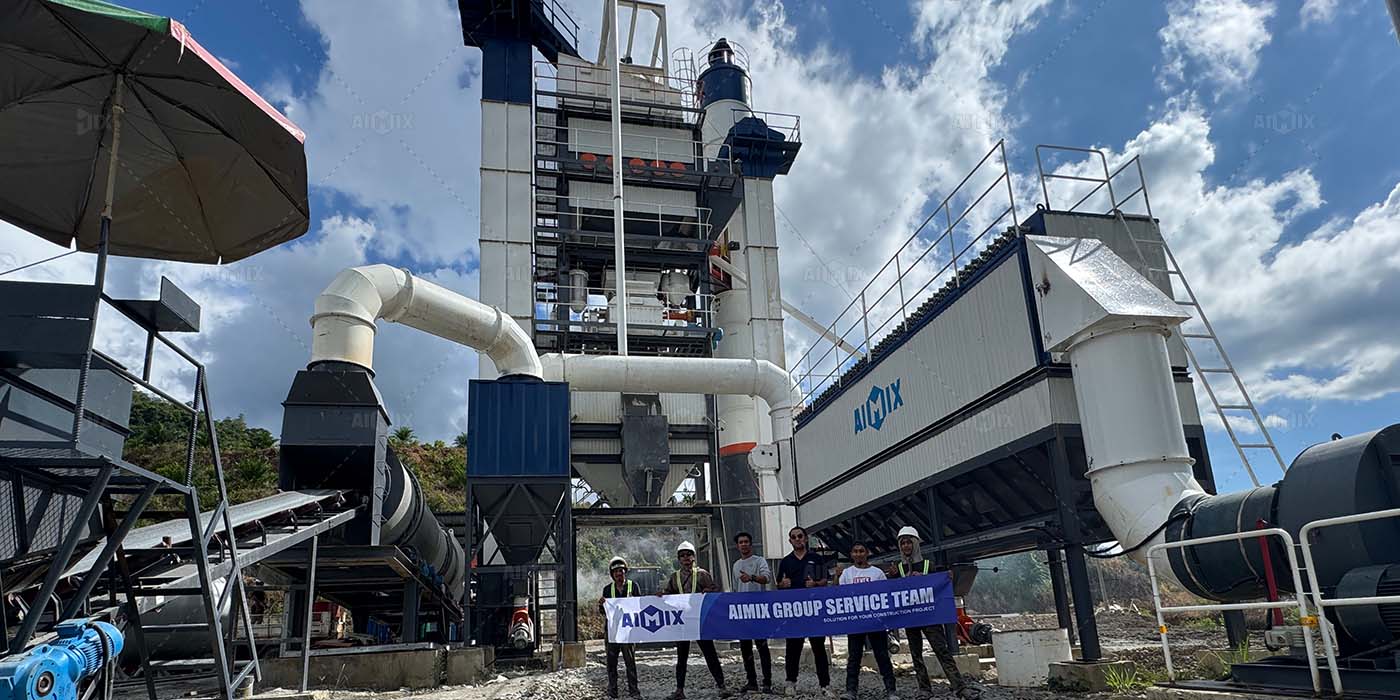
Using an 80 t/h asphalt plant offers both advantages and limitations that contractors should consider.
For projects that require high consistency, investing in a hot mix asphalt plant for sale can ensure quality and smooth production.

Several local factors influence the decision beyond plant capacity. Understanding these can help avoid delays and cost overruns.
Lagos residential roads often have tight corners and narrow alleys. A smaller plant like an 80 t/h model can easily fit into nearby staging areas, allowing faster material delivery and reduced transport distances.
Lagos experiences seasonal rainfall, which can disrupt paving schedules. An 80 t/h plant allows for flexible, on-demand production, ensuring material is freshly mixed for optimal paving quality.
Smaller plants consume less fuel and require fewer operators. For contractors mindful of budgets, an 80 t/h plant can reduce operational expenses while maintaining adequate output.
By weighing these considerations, contractors can assess whether the plant meets both project scale and site-specific challenges.
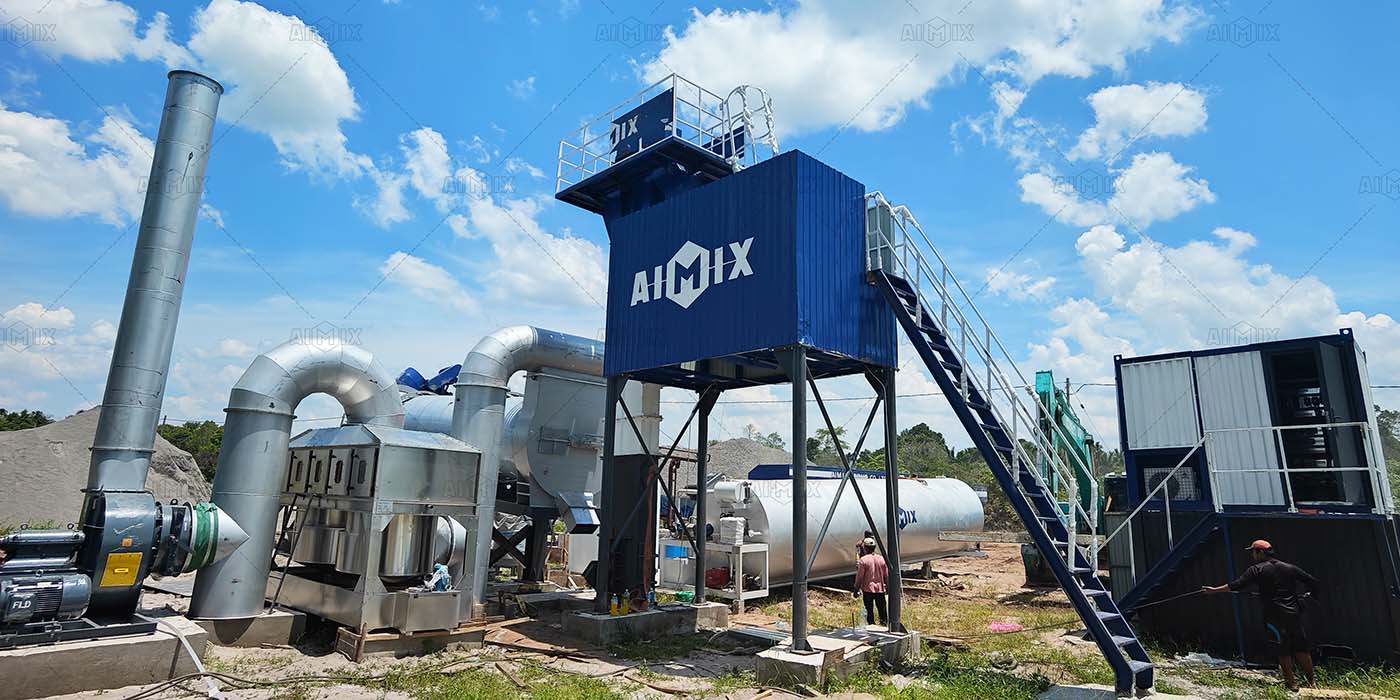
Several residential paving projects in Lagos have successfully used 80 t/h plants. For instance, a neighborhood road rehabilitation covering 3 km with a width of 5 meters was completed using a single 80 t/h asphalt plant over two weeks. Coordination with transport teams and careful scheduling ensured continuous paving without quality compromise.
Another project demonstrated the benefit of flexibility. During unexpected rain delays, the small plant allowed teams to pause production, store asphalt safely, and resume operations seamlessly once conditions improved.
These examples highlight that plant capacity should be evaluated alongside operational efficiency, logistics, and local conditions.
Based on practical experience and project requirements, here are recommendations for Lagos residential street projects:
Following these recommendations helps contractors maximize productivity while controlling costs and minimizing project risks.
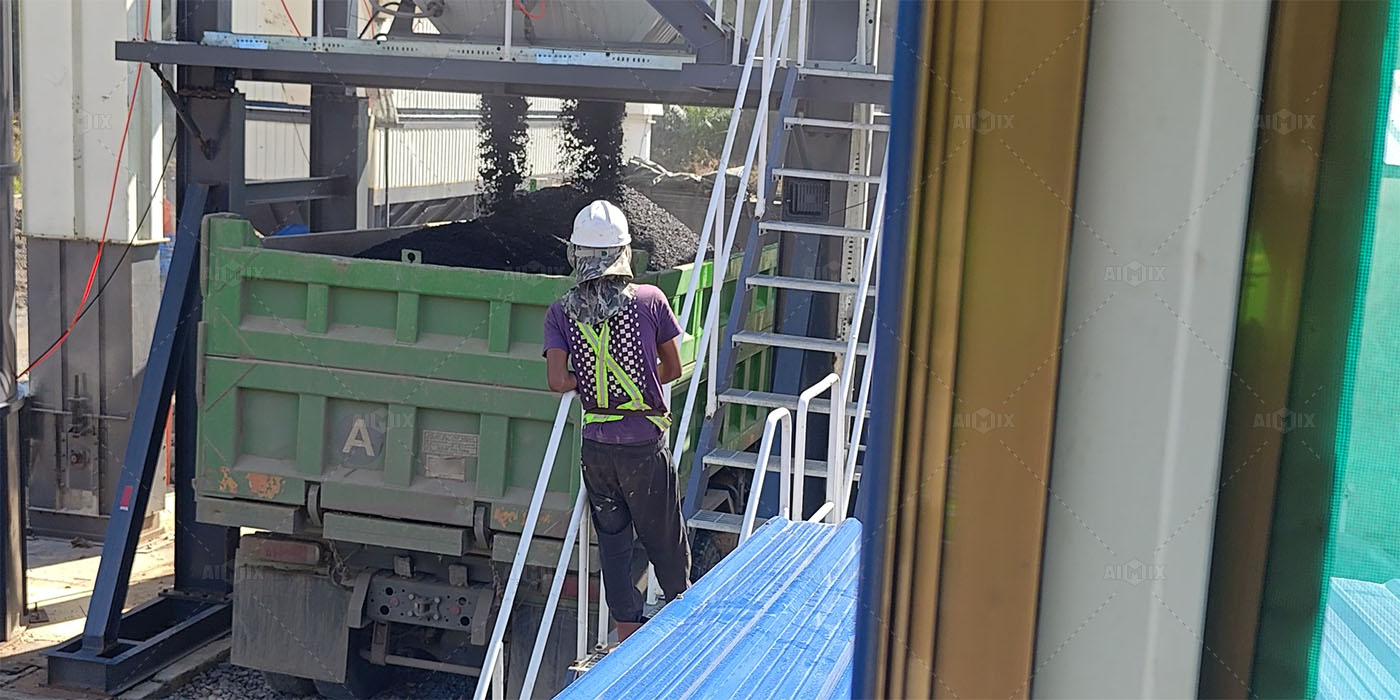
For most Lagos residential street paving projects, an 80 t/h asphalt plant is sufficient. Its size, efficiency, and flexibility make it ideal for urban environments. However, contractors must plan logistics carefully, account for transport and weather challenges, and coordinate schedules to fully leverage the plant’s capacity. For larger projects or multiple sites, supplementing with additional plants may be necessary.
Our 80 t/h asphalt plants combine compact design, reliable output, and energy efficiency. We provide turnkey solutions for Lagos contractors, including installation, training, and maintenance support. By choosing our equipment, you can ensure smooth project execution, lower operational costs, and consistent paving quality. Contact us today to explore solutions tailored to your residential street paving projects in Nigeria.