Vietnam continues to invest heavily in highway construction. Projects such as expressways, regional highways, and logistics corridors require large volumes of high-quality asphalt mix every day. For many contractors, one practical question appears early in the planning stage: Can a 160 TPH asphalt batch plant produce around 1,200 tons of asphalt mix per day?
At first glance, the answer seems obvious. A plant rated at 160 tons per hour should easily reach that daily output. However, real project conditions often differ from theoretical capacity. Factors such as working hours, material logistics, plant efficiency, and climate conditions all affect the final production result.
Therefore, contractors in Vietnam must evaluate more than just the nameplate capacity of the asphalt plant. They need to understand how production works in real highway construction environments. In this article, we analyze whether a 160 TPH asphalt batch plant can realistically deliver 1,200 tons of asphalt mix per day and what conditions help achieve this target. For more details on asphalt plant models, you can visit asphalt mixing plant amp.
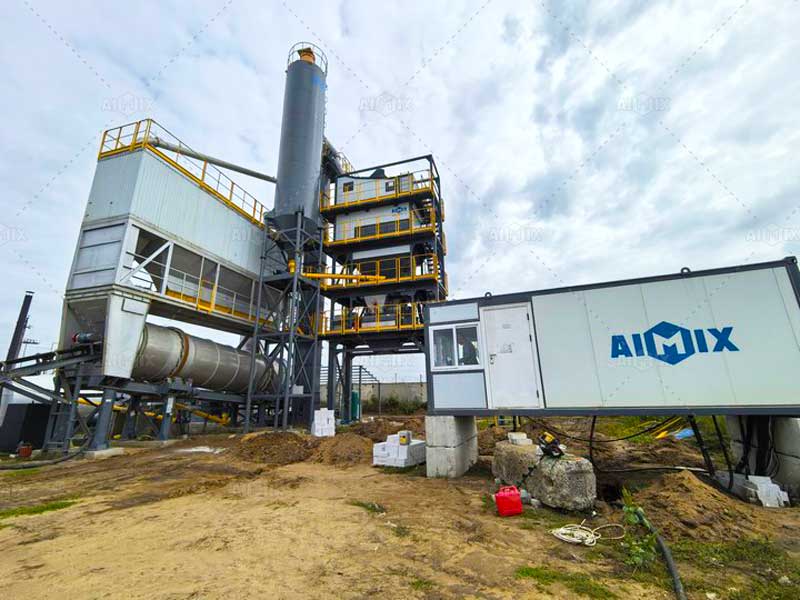
Before evaluating daily output, it helps to understand what the “160 TPH” rating actually means. The number refers to the maximum production capacity under ideal working conditions. In other words, the plant can produce 160 tons of asphalt mix per hour when materials, temperature, and workflow all remain stable.
However, highway construction rarely runs under perfect conditions. Operators must consider loading cycles, aggregate heating time, and mixing cycles. As a result, the effective hourly production often ranges between 120 and 150 tons per hour.
With this in mind, we can estimate daily production more realistically.
Let us assume the plant runs at an average output of 140 tons per hour. If the construction team operates the plant for 8 to 10 hours per day, the total output becomes:
140 tons/hour × 8 hours = 1,120 tons per day
140 tons/hour × 9 hours = 1,260 tons per day
140 tons/hour × 10 hours = 1,400 tons per day
These numbers show that a 160 TPH asphalt batch plant can realistically produce 1,200 tons of asphalt mix per day. In fact, many highway projects operate well within this range.
However, production numbers alone do not guarantee smooth operations. Next, we need to look at the factors that influence daily output on Vietnamese highway construction sites.
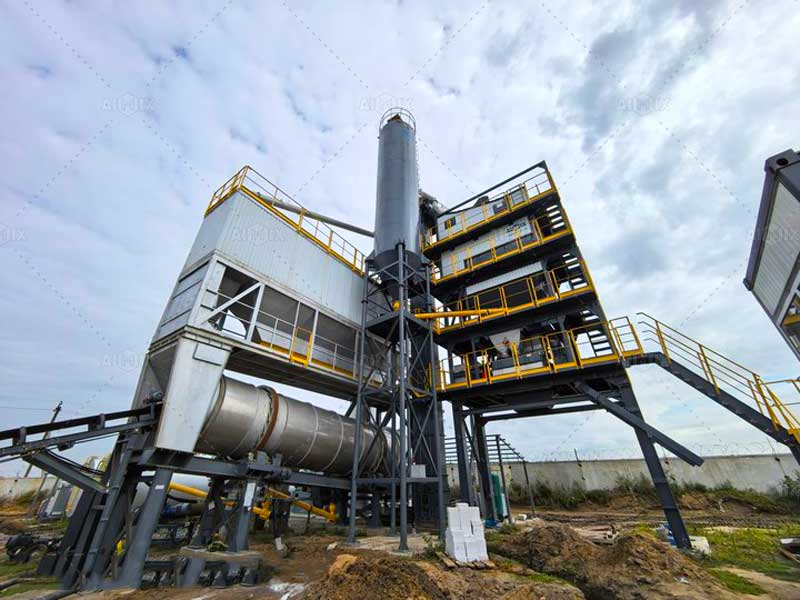
Although a 160 TPH asphalt plant has the technical capacity to meet daily demand, several practical factors determine whether the project can maintain consistent production. Understanding these factors helps contractors avoid delays and maximize plant performance.
Let us examine the most important elements. You can also explore asphalt plant suppliers for guidance on sourcing reliable equipment.
Highway projects in Vietnam usually run between 8 and 12 hours per day. Some large expressway projects operate in two shifts to accelerate construction.
If a contractor schedules only one short shift, daily production may fall below 1,200 tons. On the other hand, even a single 9-hour shift allows a 160 TPH plant to reach the target output comfortably.
Therefore, production planning plays a major role in determining whether the plant meets the daily asphalt demand.
Continuous material supply is equally important. A 160 TPH plant consumes large volumes of aggregates every hour. For example:
• 140–160 tons of aggregates per hour
• Stable supply of bitumen and filler
• Continuous truck transportation
If the quarry cannot deliver aggregates on time, the plant must stop frequently. Even short interruptions reduce daily production significantly.
As a result, many Vietnamese contractors prefer to locate asphalt plants close to aggregate sources or highway construction zones.
Modern asphalt batch plants include advanced automation systems. These systems improve batching accuracy and shorten mixing cycles. As a result, the plant operates closer to its rated capacity.
Key components that affect efficiency include:
• High-efficiency drying drum
• Accurate weighing systems
• Intelligent PLC control system
• Reliable burner and heating system
For contractors looking for available equipment, visiting asphalt batch plant for sale is a good starting point.
When these systems work together, the plant maintains stable production and consistent asphalt quality.
Vietnam’s tropical climate introduces another challenge. High humidity and sudden rainfall can influence asphalt production.
For example, wet aggregates require longer drying time. This condition slightly reduces hourly output. In addition, heavy rain may interrupt paving work, which indirectly slows plant production.
Nevertheless, modern asphalt plants can adapt to these conditions with proper operation and storage management.
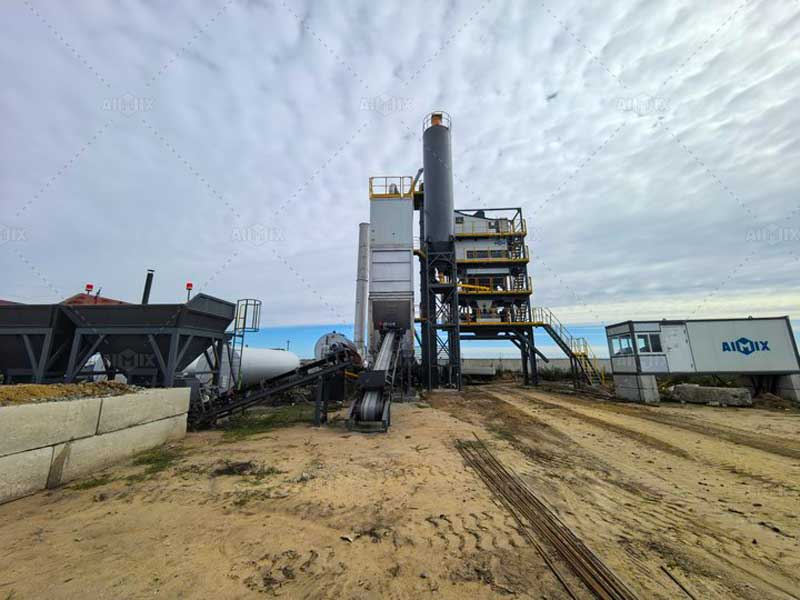
Now that we understand production capacity and operational factors, we can examine why many contractors choose a 160 TPH asphalt batch plant for highway construction in Vietnam.
Several practical reasons explain this choice.
Highway paving projects often require between 800 and 1,500 tons of asphalt mix per day. A 160 TPH plant sits right in the middle of this demand range.
Smaller plants may struggle to keep up with paving speed. Larger plants, on the other hand, require higher investment and larger logistics support.
Therefore, a 160 TPH plant offers a balanced solution between production capacity and investment cost.
Vietnam's infrastructure development includes various road types. Contractors work on expressways, national highways, provincial roads, and industrial park roads.
A 160 TPH asphalt plant adapts well to these different project scales. The plant can handle large highway sections while still operating efficiently for medium road projects.
This flexibility allows contractors to use the same equipment across multiple projects.
Batch type asphalt plants provide excellent control over mix quality. Each batch undergoes precise weighing and mixing before discharge.
For highway construction, this precision matters. Pavement durability depends on accurate aggregate gradation and asphalt content.
Because of this advantage, many Southeast Asian contractors prefer batch plants over continuous drum plants for infrastructure projects.
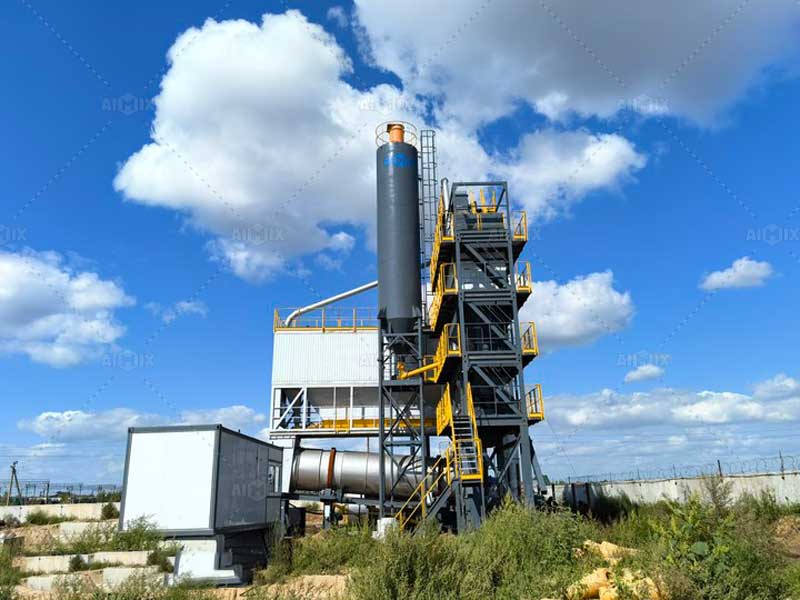
To better understand the production requirement, consider a typical highway paving scenario.
A contractor works on a 10 km highway section. The project requires about 30,000 tons of asphalt mix. The construction schedule allows 25 working days.
The daily asphalt demand becomes:
30,000 tons ÷ 25 days = 1,200 tons per day
In this case, a 160 TPH asphalt batch plant fits perfectly. The plant can reach the required production within a single working shift. At the same time, it still leaves extra capacity for unexpected delays or increased paving speed.
This balance helps contractors maintain project timelines without overinvesting in equipment.
Although the plant capacity allows this production level, contractors still need proper planning to achieve stable results. Several practical strategies help maintain consistent daily output.
Large aggregate storage areas reduce supply interruptions. Contractors should prepare at least several days of aggregate inventory near the plant.
Covered storage also helps keep aggregates dry during rainy seasons.
Regular maintenance keeps the plant running efficiently. Operators should inspect key components such as burners, conveyor belts, and dust collectors.
Preventive maintenance reduces unexpected shutdowns and keeps production stable.
Communication between the asphalt plant team and the paving crew is essential. When paving speed changes, the plant must adjust its production schedule.
This coordination prevents both material shortages and excessive stockpiling.
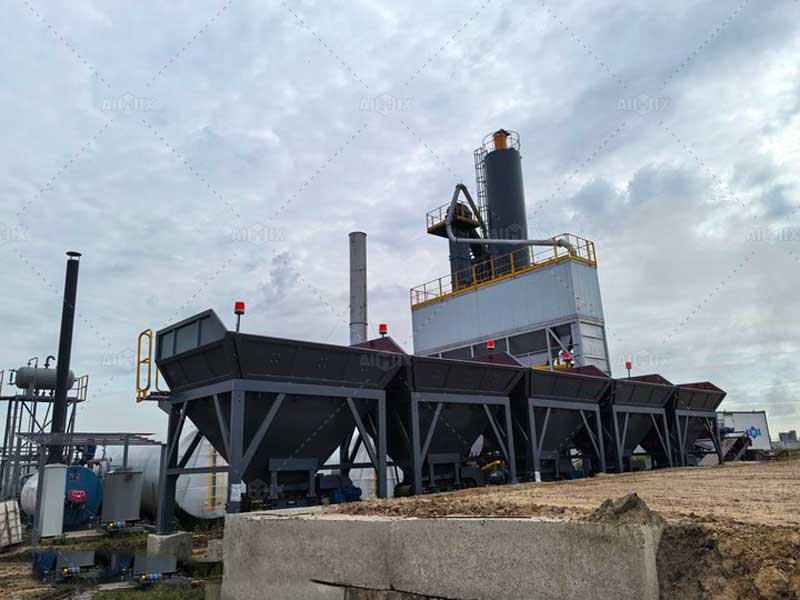
Equipment quality plays a crucial role in long-term project success. A reliable supplier does more than deliver machinery. They provide technical guidance, installation support, and operator training.
For contractors entering large infrastructure projects in Vietnam, these services reduce operational risks and improve project efficiency.
In addition, modern asphalt plant manufacturers offer customized configurations based on project requirements, climate conditions, and local material characteristics.
In summary, a 160 TPH asphalt batch plant can absolutely produce 1,200 tons of asphalt mix per day for highway construction in Vietnam. With proper operation, many plants even exceed this output comfortably.
However, success depends on more than equipment capacity. Contractors must consider working hours, aggregate logistics, plant configuration, and construction coordination. When these factors align, the plant becomes a reliable asphalt production system for highway paving projects.
If you are planning a highway or infrastructure project in Vietnam and evaluating asphalt plant solutions, selecting the right equipment configuration is essential. A well-designed 160 TPH asphalt batch plant can provide the production stability, mix quality, and operational flexibility needed for modern road construction.
Feel free to contact the AIMIX team to discuss your project requirements. Our engineers can help you analyze daily asphalt demand, recommend suitable plant models, and design a complete asphalt production solution tailored for your highway construction project.