Road builders in Russia face a familiar puzzle. On one side, new highways and industrial roads keep expanding. On the other side, many existing roads need fast and reliable rehabilitation. Budgets stay tight. Schedules stay tight too. So the real question becomes simple and practical: can one asphalt production plant do both jobs well?
A 120 TPH asphalt plant often sits right in the middle of this discussion. It is not too small for serious projects. It is not too large for regional contractors. But does it truly fit both new construction and rehabilitation work in Russia? Let’s break this down from a contractor’s point of view and from a real project operation angle.
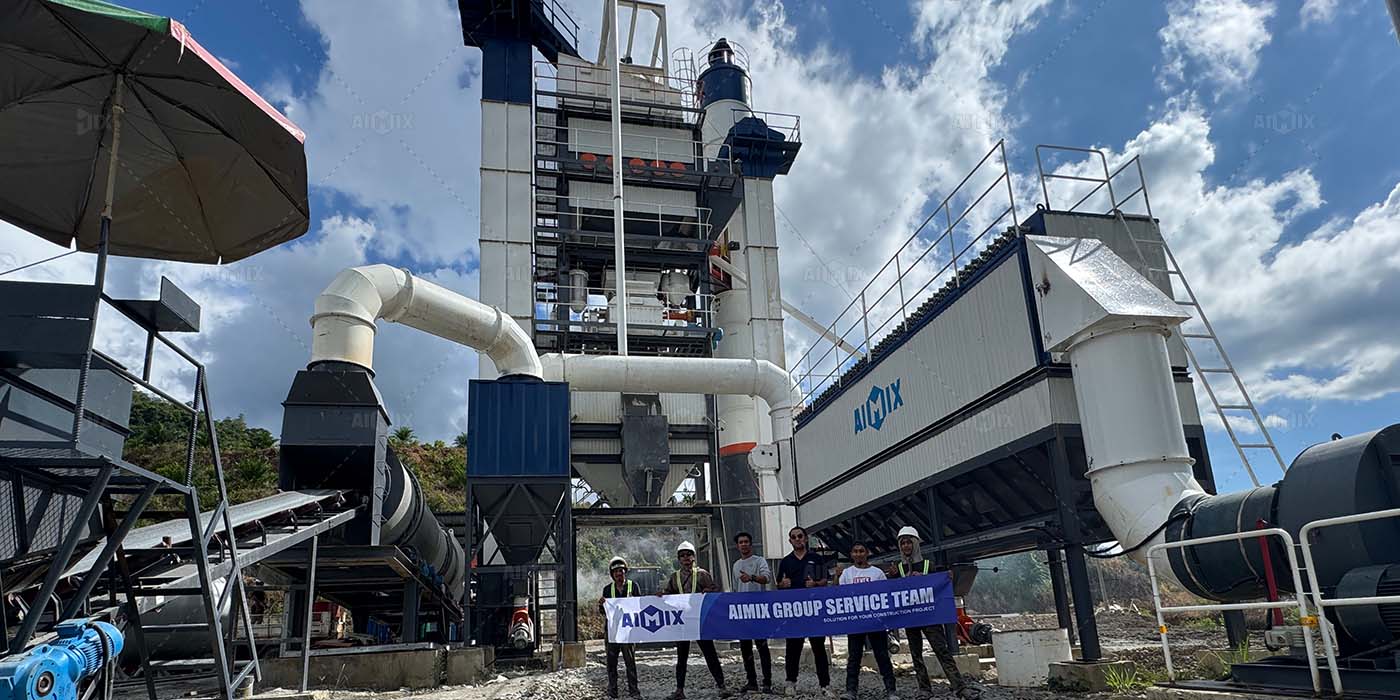
Before we talk about “120 TPH,” we should talk about why capacity matters at all. In Russia, distances are long, seasons are short, and weather windows can close fast. That means every working day counts. If your plant cannot keep up, your paving crew waits. If your trucks wait, your costs rise.
At the same time, too much capacity can also become a problem. A very large plant needs more fuel, more operators, and more stable material supply. For regional projects or mixed workloads, that can push costs higher than needed.
So, capacity sits at the center of both productivity and cost control. This is why many contractors look closely at the 120 TPH class. It promises a balance. It offers enough output for steady paving, yet it stays flexible for different job types.
With that in mind, let’s move step by step and see how this size fits real work.
On paper, 120 TPH means the plant can produce up to 120 tons of asphalt mix per hour. In real life, output depends on mix design, moisture in aggregates, and operating habits. Still, even with normal losses, you can expect a strong and stable production rate from a hot asphalt mixing plant.
For a typical paving team, this output supports continuous paving without long stops. That matters a lot in Russia, where long cooling times or cold wind can affect compaction quality. A steady flow of mix helps the crew keep temperature and quality under control.
More importantly, this capacity fits both medium and large projects. You can supply a new road section. You can also feed a milling-and-overlay job in a city or on a regional highway. In other words, the plant does not lock you into only one type of work.
Now that we understand the practical meaning of this capacity, let’s see how it performs in new road construction.
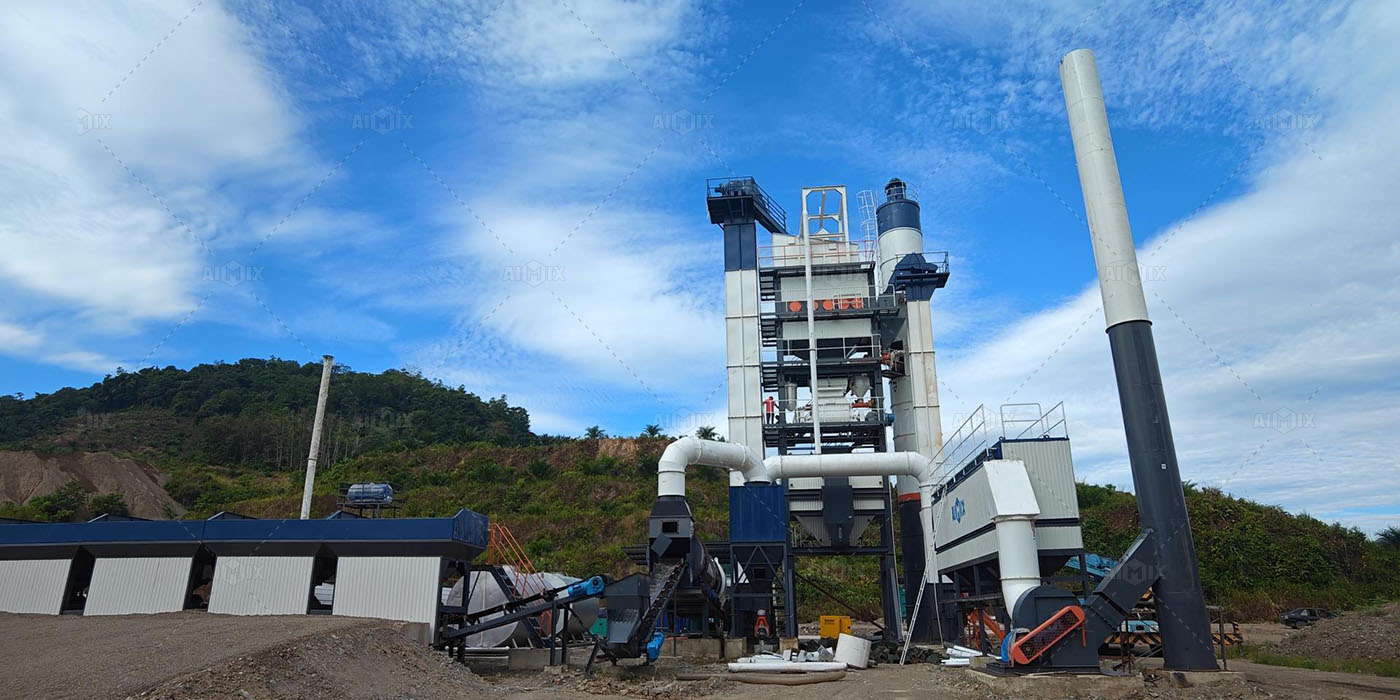
New road projects usually need three things: stable volume, consistent quality, and predictable costs. A 120 TPH asphalt batching plant checks all three boxes when it is set up and operated well.
First, the volume stays high enough for base courses and surface courses. For example, if your crew paves 600 to 800 tons per day, this plant size handles that without stress. You do not need to push the machine to its limits every hour. That also helps extend equipment life.
Second, quality control becomes easier. Modern 120 TPH plants often come with accurate weighing systems and reliable mixing units. This helps keep gradation and bitumen content stable. For new roads, this consistency matters because the whole pavement structure depends on it.
Third, costs stay more predictable. Fuel use, manpower, and maintenance all sit in a reasonable range. You avoid the high fixed costs of very large plants. At the same time, you avoid the inefficiency of small plants that struggle to keep up.
However, new roads are only half of the story. In Russia, rehabilitation projects often make up a big part of the yearly workload. So let’s turn to that side.
Rehabilitation work looks simple at first. You mill the old surface and lay a new layer. In reality, it brings more variables. You may need different mix designs. You may need faster response times. You may also need to work in traffic or in urban areas.
Because of this, flexibility becomes more important than pure output. The plant must change recipes quickly. It must start and stop without long delays. It must also keep quality stable, even when recycled material enters the mix.
This is where many contractors worry. They ask: “Is a 120 TPH plant too big or too rigid for this kind of work?” The answer often depends on configuration and operation, not only on capacity.
So let’s look closer at how this plant size fits rehabilitation tasks.
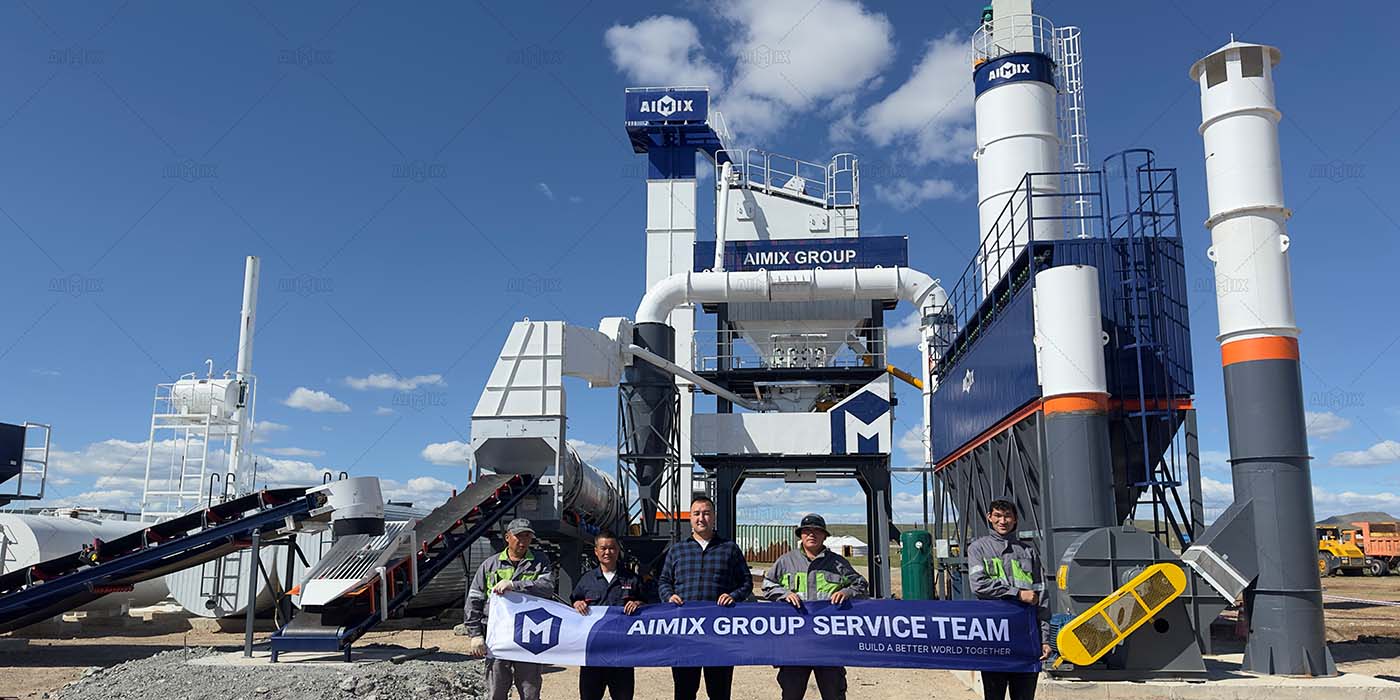
In practice, a 120 TPH asphalt plant offers enough room to work with different job scales. For a city resurfacing project, you may only need 300 to 500 tons per day. The plant can run at partial load and still keep good mixing quality. That saves fuel and reduces wear.
For larger rehabilitation projects, such as long highway sections, the same plant can run closer to its rated output. This gives you speed when you need it, especially before bad weather arrives.
Another key point is mix flexibility. Many modern plants in this class support several silos and quick recipe changes. That helps when one day you produce a wearing course and the next day you switch to a binder course.
In addition, if the plant supports RAP (reclaimed asphalt pavement), you can lower material costs. This matters more and more in rehabilitation work, where old pavement becomes a valuable resource instead of waste.
So, from an operational view, this capacity class does not limit rehabilitation. In fact, it often makes planning easier.
Now let’s connect both sides. Many Russian contractors do not focus on only one type of project. In one season, they may build new industrial roads. In the next month, they may repair regional highways. This mix of work needs equipment that does not force hard compromises.
A 120 TPH asphalt plant sits in a practical middle zone. It gives you enough power for new construction. At the same time, it stays flexible enough for rehabilitation schedules and smaller daily outputs.
This balance also helps with business planning. You do not need two different plants. You do not need to reject smaller jobs because your equipment feels “too big.” And you do not need to slow down large jobs because your plant feels “too small.”
Because of this, many contractors see this size as a long-term investment, not just a project tool.
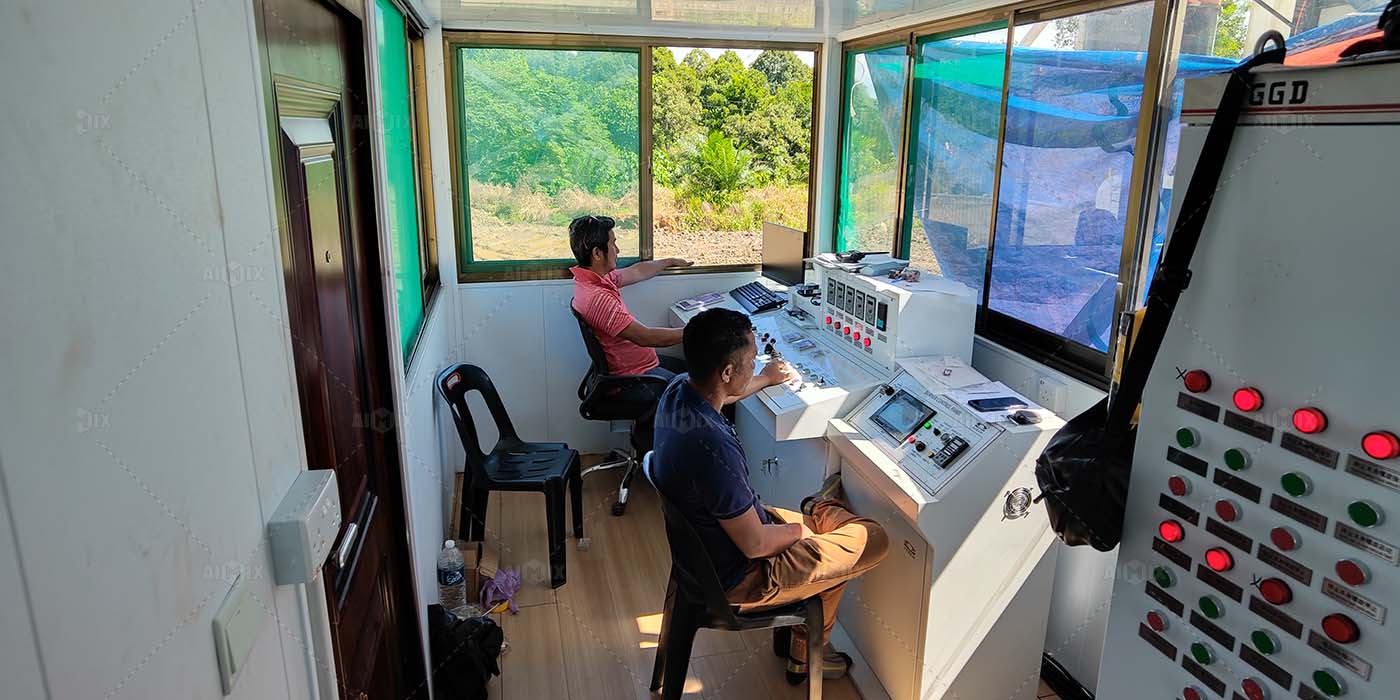
Of course, not all 120 TPH asphalt plants are the same. Capacity alone does not guarantee good results. Several technical points decide whether the plant truly handles both job types well.
Accurate aggregate and bitumen weighing keeps mix quality stable. This matters for both new roads and rehabilitation. Good systems reduce waste and rework. They also make quality reports easier to prepare.
A user-friendly control system helps operators switch recipes fast. This saves time between jobs. It also reduces human error, which becomes important when you run many different mixes in one week.
If the plant supports RAP, rehabilitation projects become more cost-effective. You can reuse old asphalt and lower raw material costs. In many regions, this also helps meet environmental goals.
Consistent heating and mixing keep temperature and coating quality stable. This directly affects pavement performance, especially in Russia’s cold climate.
When these points come together, the plant becomes more than just a machine. It becomes a reliable production center for different road tasks.
From a business angle, every contractor asks the same question: “Will this pay off?” The answer depends on utilization and project mix, but the signs are often positive.
First, this capacity class usually fits a wide range of tenders. That means more chances to win jobs. More jobs mean better equipment utilization. Better utilization means faster return on investment.
Second, operating costs stay under control. You do not need the same crew size as a very large plant. You also avoid the low efficiency of small plants on big projects.
Third, resale value often stays strong. Many markets look for this “middle size” because it fits many scenarios. That reduces long-term risk.
So, from a financial point of view, this size often feels like a safe and flexible choice.
Even if the capacity fits your needs, smart planning still matters. Before you decide, you should check a few practical points.
Look at your typical project size. Check your peak season demand. Think about material supply and fuel costs in your region. Also, consider your team’s experience with similar equipment.
In Russia, transport distance and climate also play a role. A plant that starts fast and runs stable in cold conditions can save many working days over a season.
When these factors line up, a 120 TPH asphalt plant often becomes a strong and realistic choice.
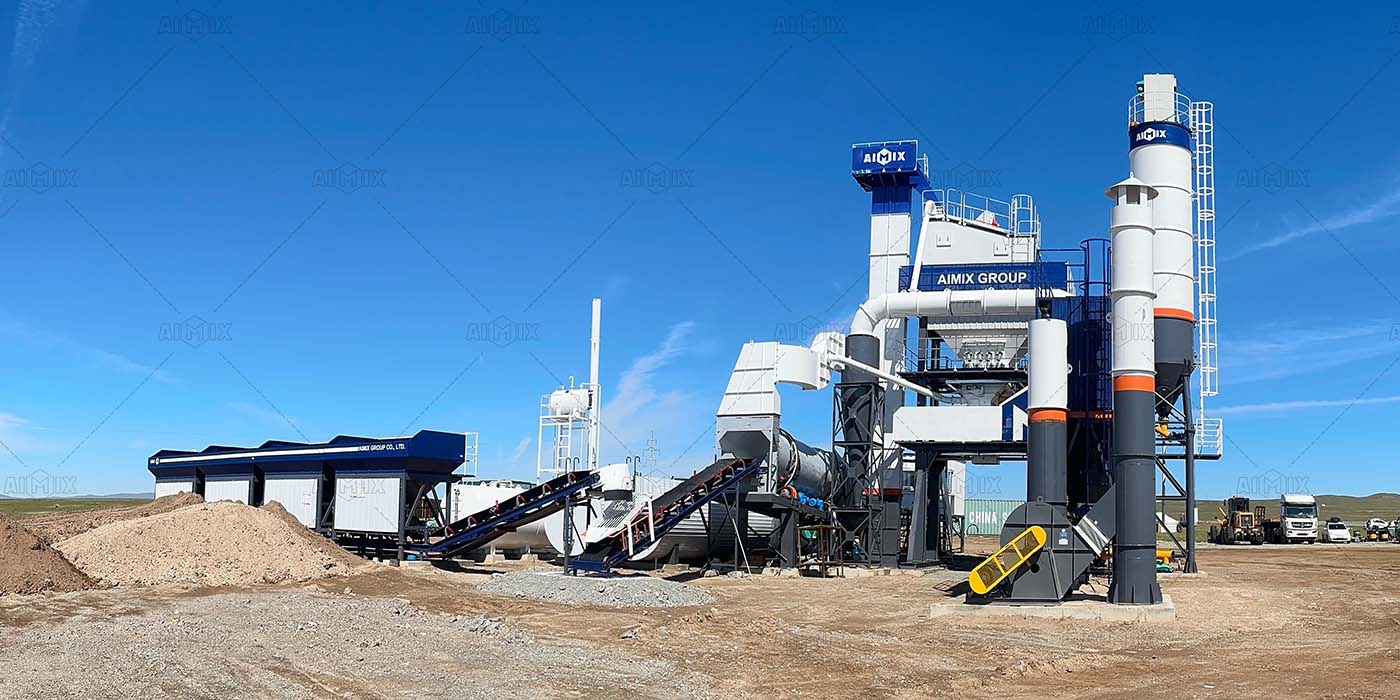
After looking at capacity, flexibility, technical features, and economics, the answer becomes clear. Yes, a 120 TPH asphalt plant can handle both new road construction and rehabilitation in Russia. More than that, it can do so in a balanced and efficient way.
It does not force you into one project type. It supports steady growth. It helps you respond to different tenders and seasonal changes. And it keeps both production and costs in a reasonable range.
Of course, the final result always depends on the specific plant design, setup, and operation. But as a class, this size has already proven its value in many markets with similar conditions.
If you plan to expand your road business or upgrade your current equipment, it makes sense to look closely at the 120 TPH class. Think about your real workload, not only your biggest project. Think about how often you switch between new construction and rehabilitation.
When you choose a plant that matches both sides of your work, you gain more than output. You gain flexibility, stability, and better control over your schedule and costs.
In the end, the right asphalt plant does not just produce mix. It supports your business growth, your project quality, and your reputation in the market. If your goal is to handle both new roads and rehabilitation in Russia with confidence, a well-configured 120 TPH asphalt plant is a very strong place to start.