Night paving keeps many road projects on schedule, especially in busy cities where daytime work causes traffic jams and delays. However, many contractors still worry whether a 160 t/h asphalt batching plant can keep up with the demand at night. In this post, I share real considerations from the construction industry, practical productivity insights, and what you need to check before you commit. My goal is to help you decide whether a 160 t/h plant fits your project and keeps your paving team moving without interruption.
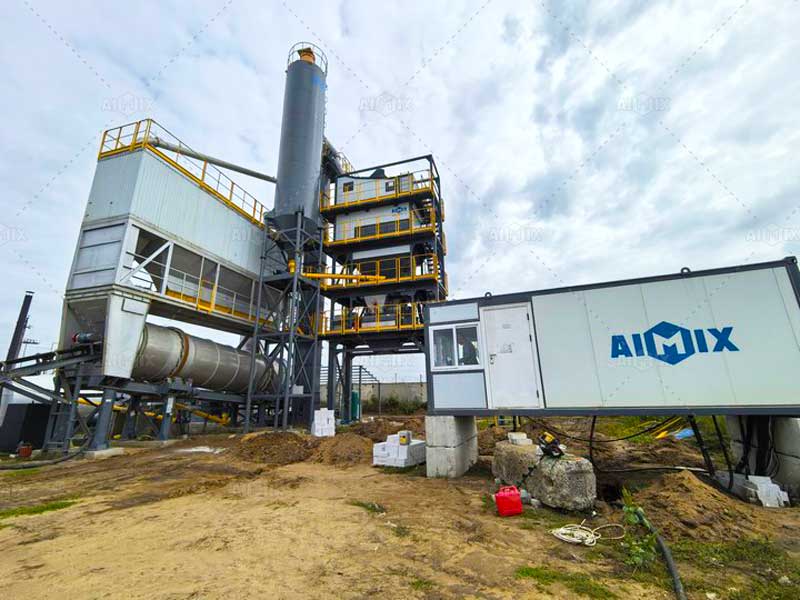
Before we talk about output, we need to understand why night paving demands more stability than daytime work. When the temperature drops at night, asphalt cools faster. This means your paving team needs material that arrives on time and at the right temperature. Any delay affects compaction quality and increases material waste. Therefore, a steady supply matters more at night.
Because of this, the question becomes logical: can a 160 t/h asphalt batching plant deliver consistent output for several hours without interruptions? To answer that, we first look at typical night paving workloads.
Most night paving jobs, such as city road resurfacing or expressway lane rehabilitation, need 300–800 tons of asphalt per shift. The exact number depends on layer thickness, paver width, and speed. However, almost all of these projects share one goal: keep paving continuous. When paving stops, the surface becomes uneven, and the crew loses time.
With this in mind, we can evaluate how a 160 t/h plant performs in real scenarios.
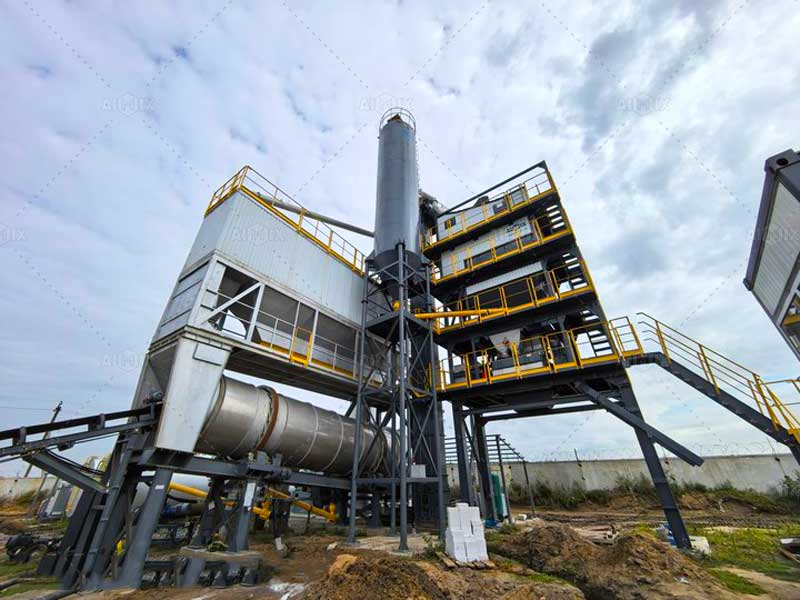
After understanding project demand, we can analyze the plant’s capacity. A 160 t/h asphalt batching plant produces around 150–160 tons per hour under normal conditions. When your team works a standard 6-hour night shift, the plant can supply 900–960 tons of asphalt. This output already matches most night paving requirements comfortably.
However, capacity alone is not enough. You also need predictable performance. That is why many contractors care about fuel consumption, drying efficiency, and stability at different moisture levels. A modern 160 t/h plant usually manages these factors well because it uses energy-saving burners and advanced drying drums.
During night paving, quality control becomes harder. Lighting is limited, and the temperature drops. A 160 t/h plant with an intelligent control system solves much of this problem because it monitors the mix temperature, bitumen ratio, and aggregate moisture in real time. Continuous data helps your quality technician adjust the mix quickly. As a result, your paving team receives material with consistent temperature and quality.
Using a reliable asphalt mixing and batching plant ensures you get stable output and high-quality mix throughout the night. This gives you confidence the material meets specification even under challenging conditions.
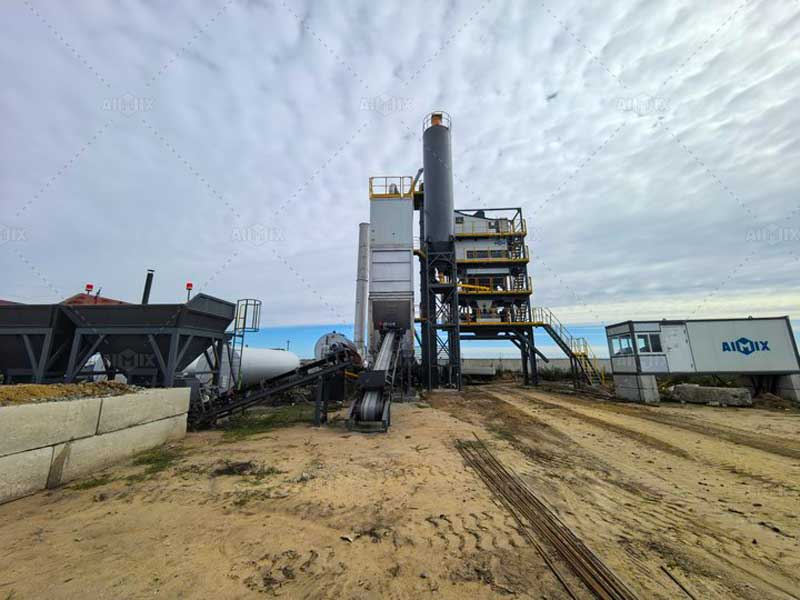
Knowing the plant outputs enough material is important, but real projects involve more variables. Therefore, I want to highlight several key factors that many of our customers in Indonesia and other regions consider before making a decision. These factors help you evaluate how suitable a 160 t/h plant is for your night operation.
The longer the distance, the higher the risk of temperature loss. Most contractors keep the haul distance under 30 km at night. If your site sits farther away, you may need insulated trucks or a mobile asphalt plant closer to the project. Distance also affects your ability to maintain a continuous supply cycle.
Even if the plant produces 160 t/h, you still need enough trucks to move that material. For most night operations, 8–12 trucks of 10–15 tons each keep the cycle stable. You need to consider road conditions, waiting time, and the speed of truck turnaround.
The plant and paver must match each other. If the paver works too fast, your trucks cannot keep up. If the plant produces too much, your trucks queue up. A balanced system ensures you avoid cold joints and surface defects. Many project managers prefer to run the plant at 70–85% of its rated capacity at night because this range offers the best stability.
Also, having a well-maintained asphalt paver machine and synchronized crew ensures smooth paving flow. With proper coordination, the whole process—from mixing to laying—runs without delays.
Some mixes cool faster. For example, SMA and polymer-modified asphalt need tighter temperature control. A 160 t/h plant with high-precision burners and insulated storage bins maintains the required temperature better. This ensures your night crew gets material they can compact properly.
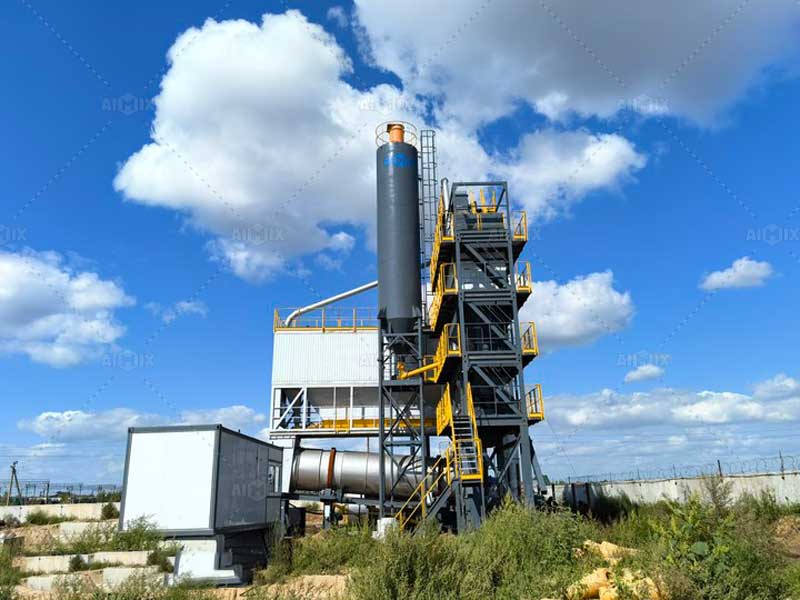
Now that we understand the influencing factors, we can summarize when a 160 t/h asphalt batching plant performs exceptionally well in night paving operations. These conditions appear frequently in real projects.
A 160 t/h plant covers this range easily within 4–6 hours. Your team benefits from a stable supply without over-producing or wasting material.
This distance keeps temperature loss minimal and delivery predictable. It also reduces trucking costs and makes scheduling easier.
When the plant includes real-time tracking, your quality team makes adjustments quickly. This ensures the mix stays within specification throughout the shift.
A continuous flow helps you finish lanes faster. It also reduces equipment wear and improves surface density.
Even with a strong plant, your workflow shapes your final result. Therefore, I want to share some proven tips from contractors who run successful night paving operations. These ideas improve efficiency and help your asphalt arrive in the best condition possible.
Start the burner earlier so the first batch reaches the right temperature. A thermal delay at the beginning can slow down the entire crew.
When you dispatch trucks in staggered intervals, you avoid peaks and gaps. This stabilizes the paving rhythm and helps the paver work smoothly.
Insulation keeps asphalt hot longer and reduces quality issues. It also helps crews maintain compaction temperature more easily.
Humidity and wind speed affect cooling. By tracking weather changes, you can adjust mix temperature and production speed in advance.
Yes, a 160 t/h asphalt batching plant can support night paving very effectively when the project conditions fit. The plant offers enough output for most night operations, keeps mix temperature stable, and reduces downtime when paired with proper planning. Many contractors choose this capacity because it balances energy use, production cost, and operational flexibility. As long as you coordinate the trucks, control the temperature, and monitor quality, a 160 t/h plant delivers reliable performance throughout the entire night shift.
If you want a plant that performs well both day and night, I can help you choose the right configuration based on your location, project workload, and hauling conditions. I also support installation, operator training, and long-term service in Indonesia. When you use the right plant, your night paving becomes smoother, faster, and more productive. Contact me anytime if you want a customized solution for your next project.