In Vietnam’s fast-growing infrastructure sector, contractors often face a practical question: can a 60 TPH drum mix plant support mixed-use road construction that includes urban roads, rural links, and light highway sections? The answer is not simply yes or no. It depends on project scale, logistics planning, and how well the equipment matches real site conditions.
This article breaks down the topic from a contractor’s point of view. It focuses on real construction needs in Vietnam, not just theoretical capacity. You will see how a 60 TPH system performs in different scenarios, where it fits best, and where limitations may appear.

Mixed-use road projects in Vietnam usually combine different traffic demands within a single contract. A contractor may handle urban streets in Ho Chi Minh City, then switch to rural access roads in nearby provinces. Sometimes, even small highway sections are included in the same project package.
This creates operational pressure. Asphalt demand is not constant. It changes based on road width, layer thickness, and daily paving schedule. Therefore, equipment selection becomes a key factor in controlling cost, efficiency, and project stability.
In many cases, contractors prefer flexible and mobile production setups instead of oversized stationary systems. This is where medium-capacity asphalt plants often become a practical solution.
A 60 TPH drum mix plant is designed for continuous asphalt production at a moderate output level. It is commonly used for small to medium road projects where stability and cost control are more important than maximum output.
From a technical point of view, the system integrates drying, heating, and mixing in a continuous process. This reduces downtime between batches and improves operational flow on site.
In real construction conditions, many contractors prefer drum systems because they are easier to operate and maintain compared to more complex setups. You can also deploy them closer to job sites, which helps reduce transport costs and material temperature loss.
For example, modern systems such as a drum mix plant are widely used in Southeast Asia because they balance mobility and production stability. This makes them suitable for contractors who work across multiple small projects instead of one large highway job.
Transitioning from equipment type to production planning, it becomes clear that capacity alone is not the only factor. Logistics and supply chain control matter just as much.
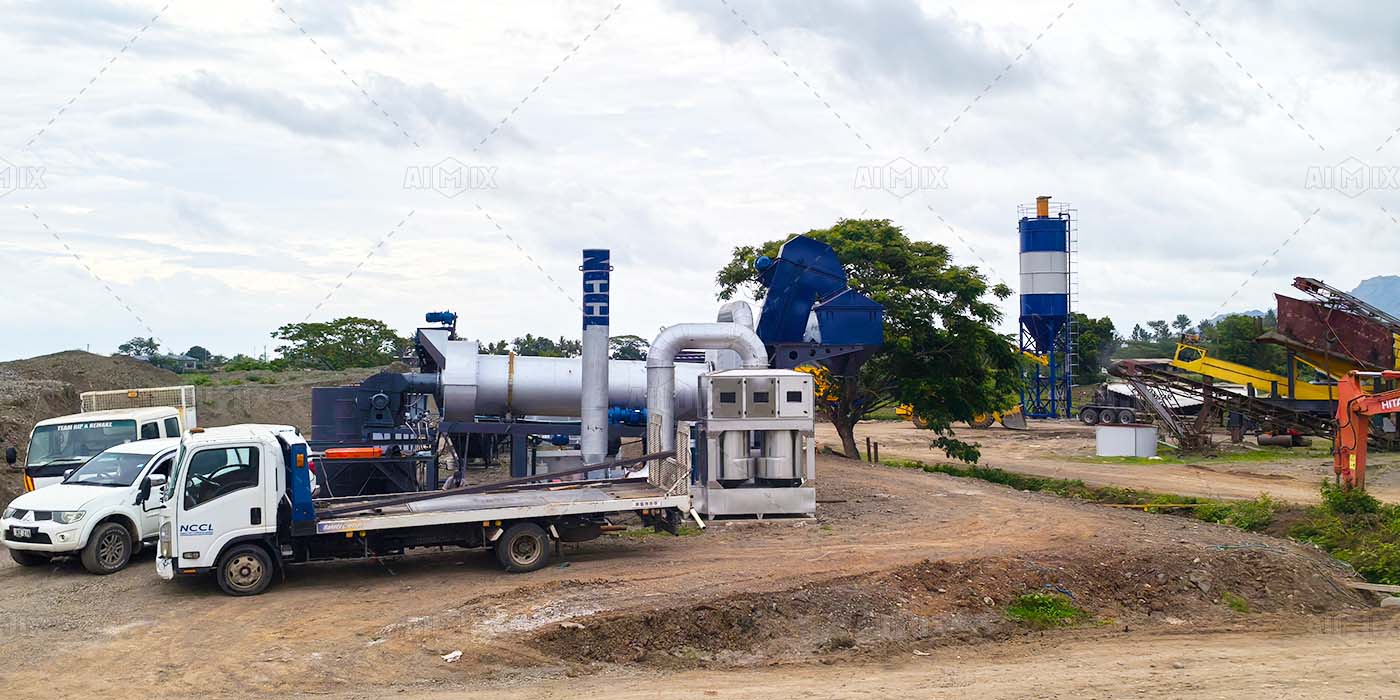
To answer this question, we need to look at daily asphalt demand instead of hourly output alone. A 60 TPH plant can produce roughly 400 to 480 tons per 8-hour working day under stable conditions.
For many Vietnamese contractors, this range is sufficient for:
However, for large expressway construction or multi-lane highway projects, this capacity may require careful scheduling or multiple units. Otherwise, paving teams may experience idle time, which increases cost per ton.
Still, in mixed-use road environments, flexibility is often more valuable than maximum output. Contractors prefer a plant that can move with them across different job sites instead of staying fixed in one location.
Even if a plant has enough capacity, asphalt quality depends heavily on consistent bitumen supply and heating stability. In Vietnam, weather conditions and transportation distance can sometimes affect bitumen temperature and viscosity.
That is why integrated systems or nearby production support become important. A stable supply chain reduces production interruptions and improves mix quality consistency.
In larger project setups, some contractors rely on a dedicated bitumen production plant system to ensure continuous heating and storage stability. This helps maintain uniform asphalt quality, especially during long paving hours in hot climates.
Once bitumen supply is stable, the next focus shifts to mix performance and road durability standards.
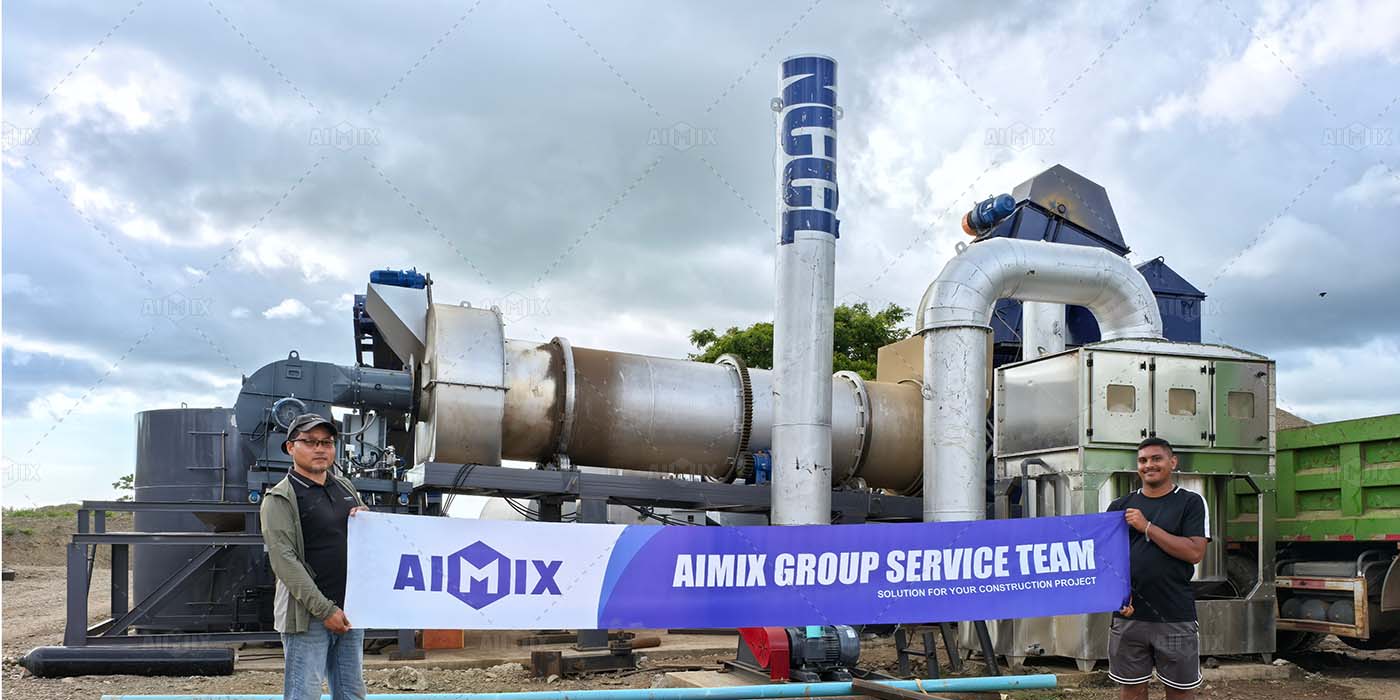
In Vietnam, contractors often compare drum mix systems with hot mix asphalt batching systems. Each has different strengths depending on project scale and quality requirements.
A drum system is better for continuous production and simpler operation. Meanwhile, batching systems offer tighter control over mix design and material precision.
For high-standard highway sections or urban expressways, many contractors consider a hma plant because it provides more accurate grading and higher consistency in asphalt mix design.
However, this does not mean drum systems are less valuable. In fact, for mixed-use road construction, drum plants often provide better cost efficiency and faster deployment, especially when project conditions change frequently.
Therefore, the decision is not about which system is better in general. It is about which system fits the project structure more realistically.
When we move from theory to real construction sites in Vietnam, several practical advantages of a 60 TPH drum mix plant become clear.
First, setup time is shorter. Contractors can mobilize quickly and start production without long installation delays. This is important for projects with tight deadlines.
Second, fuel consumption is lower compared to high-capacity systems. For small and medium contractors, this directly improves profit margins per project.
Third, maintenance is simpler. Operators do not need highly complex technical training, which reduces labor dependency and operational risk.
These advantages make the system especially attractive for contractors who manage multiple scattered projects instead of one centralized mega project.
Transitioning to project execution, scheduling becomes the most important success factor.
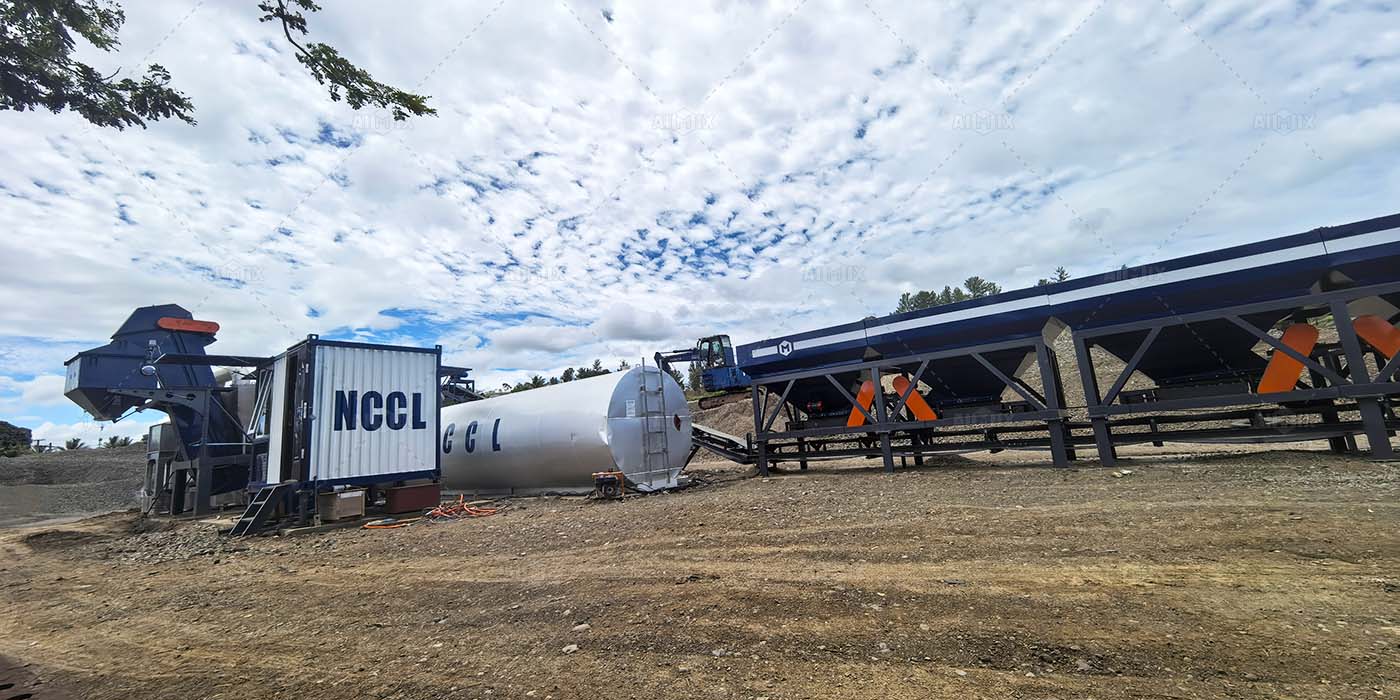
To successfully use a 60 TPH plant in mixed-use road construction, contractors must carefully plan daily output and paving speed.
If paving teams move too slowly, asphalt may cool down and reduce compaction quality. If production is too fast, material storage and transport become bottlenecks.
Therefore, coordination between plant operators, transport trucks, and paving crews must be tightly managed. Many experienced contractors in Vietnam already apply shift-based planning to match production with roadwork speed.
This approach ensures that the plant operates close to its optimal capacity without unnecessary downtime or overload.
Although a 60 TPH drum mix plant offers many advantages, it is not suitable for every situation.
Large highway expansion projects with continuous multi-lane paving may require higher capacity systems. Otherwise, project timelines may extend longer than expected.
Additionally, extreme weather conditions, especially during Vietnam’s rainy season, can affect production stability and site logistics. Contractors must always include buffer time in planning.
Understanding these limitations helps avoid unrealistic expectations and improves long-term project success.
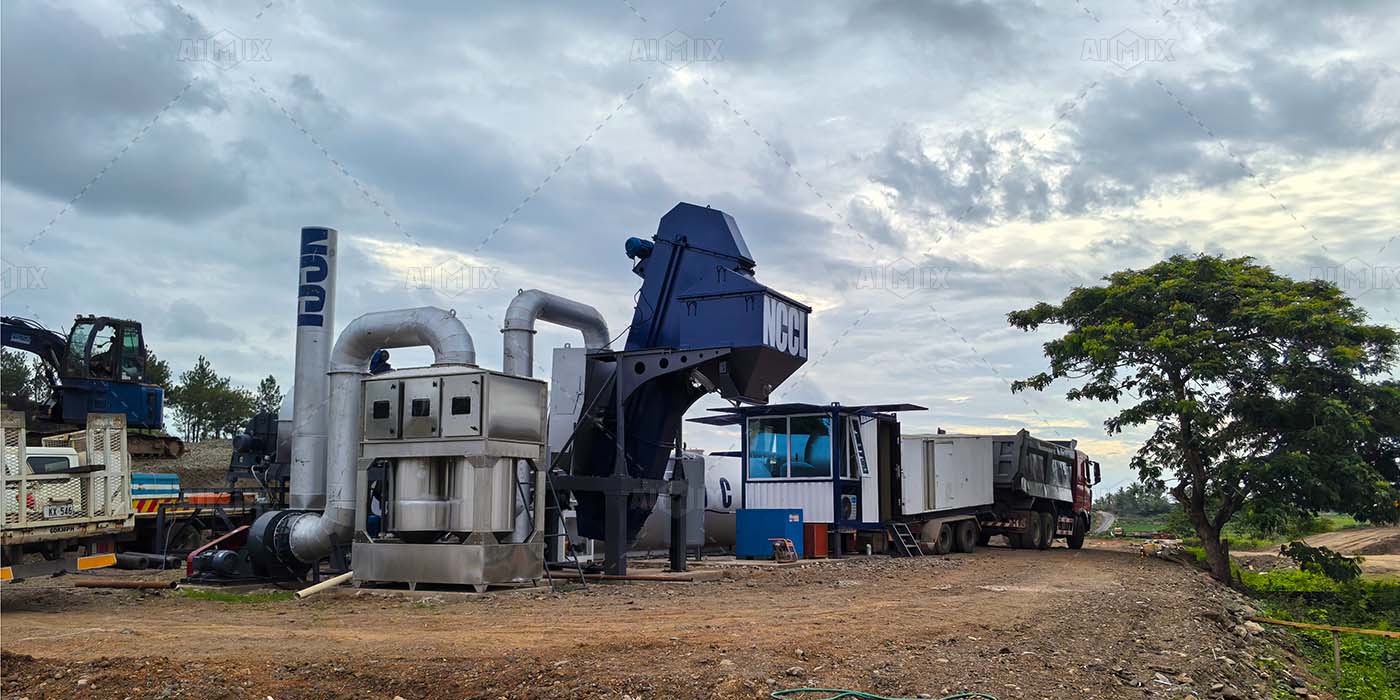
A 60 TPH drum mix plant can effectively handle many mixed-use road construction projects in Vietnam, especially small to medium-scale urban and rural developments. Its strength lies in flexibility, cost efficiency, and operational simplicity.
However, success depends not only on equipment choice but also on planning, logistics coordination, and supply chain stability. When these factors are managed properly, the plant can deliver consistent performance and strong project returns.
For contractors working across multiple small road projects, this type of plant is often a practical and economically balanced solution. For large-scale expressway construction, a higher-capacity system may be more suitable.
If you are planning a road construction project in Vietnam and want to evaluate whether a 60 TPH drum mix plant fits your real site conditions, our technical team can help you analyze your project requirements. We provide tailored recommendations based on production demand, project length, and site environment, helping you choose the most efficient asphalt solution for long-term success.