Urban road upgrades in Buenos Aires demand efficiency, cost-effectiveness, and high-quality asphalt production. If you are planning such projects, choosing the right asphalt plant capacity is critical. Many clients often wonder: should I invest in a 100 t/h asphalt plant, or is a 160 t/h model more suitable? This article will help you make an informed decision based on real-world construction needs, project scale, and operational efficiency.
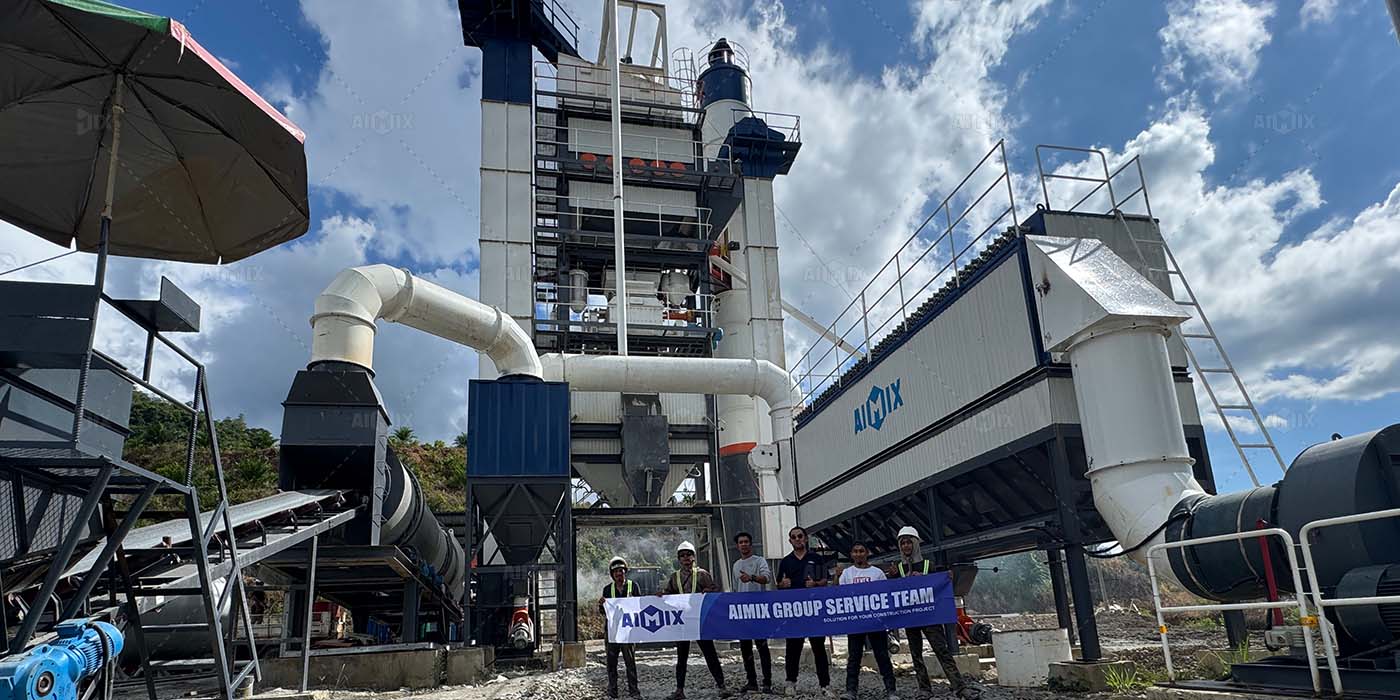
Before deciding on asphalt plant capacity, you must understand the typical requirements for urban road upgrades. Buenos Aires urban roads vary from main avenues to secondary streets. Each type of road has different traffic loads, design thicknesses, and pavement lifespans.
Main avenues often require thicker asphalt layers, which increases material demand. Secondary streets may only need thinner layers, making a smaller plant sufficient. Evaluating the total paving area, layer thickness, and project duration helps determine the required daily production capacity.
For example, upgrading 10 kilometers of a 12-meter-wide avenue with a 5 cm asphalt layer roughly requires:
From this calculation, you can translate asphalt volume into tons. Given that 1 m³ asphalt weighs approximately 2.4 tons, the daily requirement equals roughly 480 tons. This figure will guide your choice between a asphalt plant with different capacities.
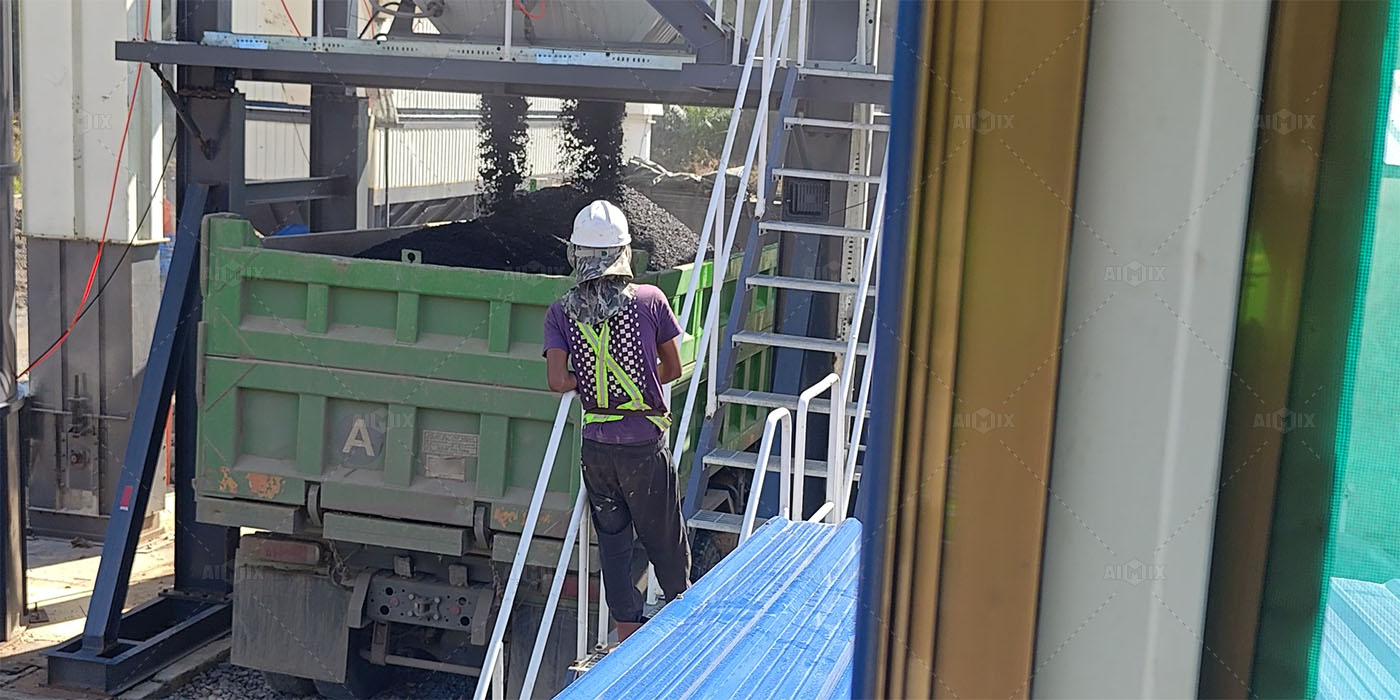
Now let’s compare the two options based on performance, cost, and operational needs. Understanding the differences helps you avoid underproduction or unnecessary investment.
A 100 t/h asphalt plant is suitable for medium-scale urban projects. It offers:
However, for very large paving projects, this plant may require multiple shifts, which can increase labor and transport costs. If your project has tight deadlines, you might find a 100 t/h plant slightly limiting.
A 160 t/h asphalt plant is designed for high-volume projects. Its advantages include:
The trade-off is a higher initial investment and slightly more complex site requirements. Urban constraints, such as limited space and strict traffic management, must also be considered. For high-quality pavement production, many contractors rely on a bituminous hot mix plant to ensure consistency and durability.

Choosing the right asphalt plant depends on multiple factors. Let’s examine them from a client and construction perspective.
If you are handling multiple roads or a large avenue network, the 160 t/h plant can ensure on-time completion. Smaller neighborhood projects may be efficiently served by a 100 t/h plant, saving on initial investment.
Buenos Aires urban roads often have narrow spaces. A smaller 100 t/h plant fits more easily in tight urban areas. Large 160 t/h plants may require careful planning, traffic control, and temporary road closures.
While a 160 t/h plant increases upfront costs, it can reduce labor and transport costs over time due to faster production. The 100 t/h plant is cheaper initially but may require longer project durations.
Both plant types require careful management of aggregates, bitumen, and filler. Consider local storage capacity and supply logistics. A 160 t/h plant consumes materials faster, demanding reliable supply chains.
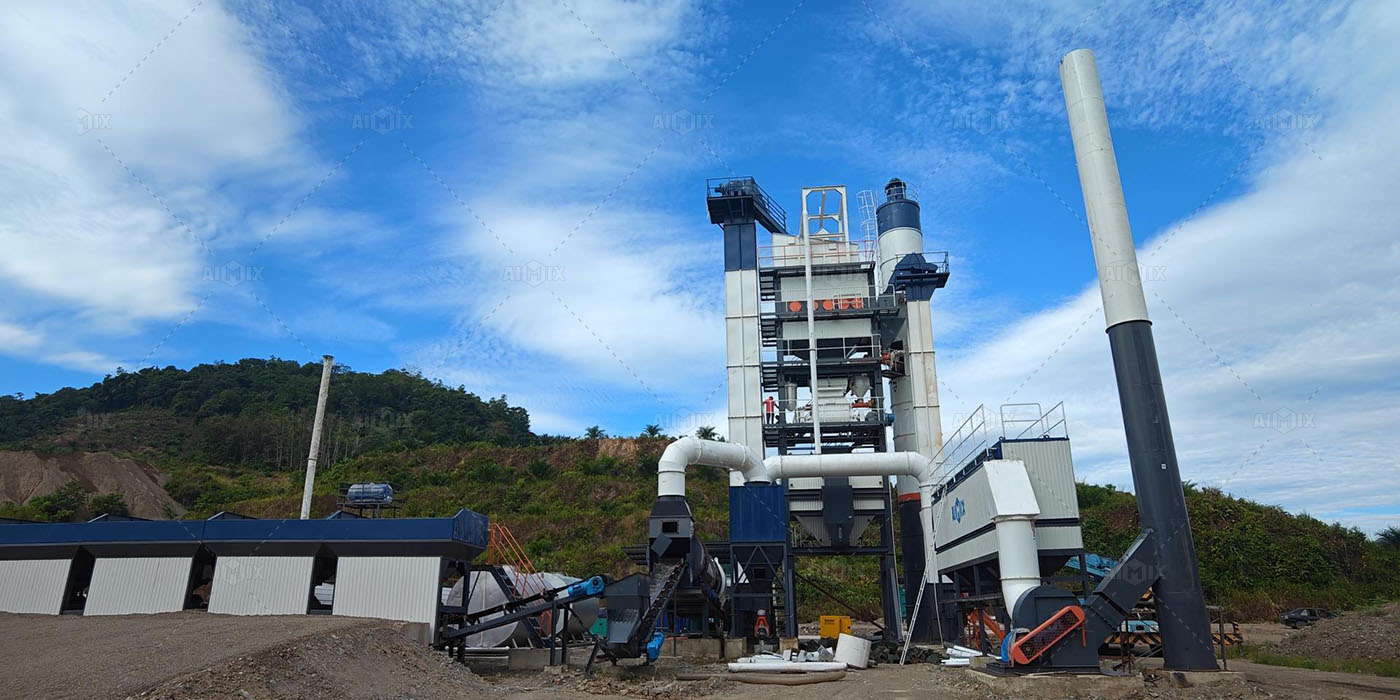
From experience, contractors often choose based on project mix and urban conditions. For instance:
Additionally, when selecting an asphalt plant manufacturer, consider energy efficiency, automation, and local support to ensure smooth operation and consistent quality.
In recent urban road upgrades, contractors reported the following:
These examples highlight how plant capacity aligns with project type, paving speed, and urban constraints.
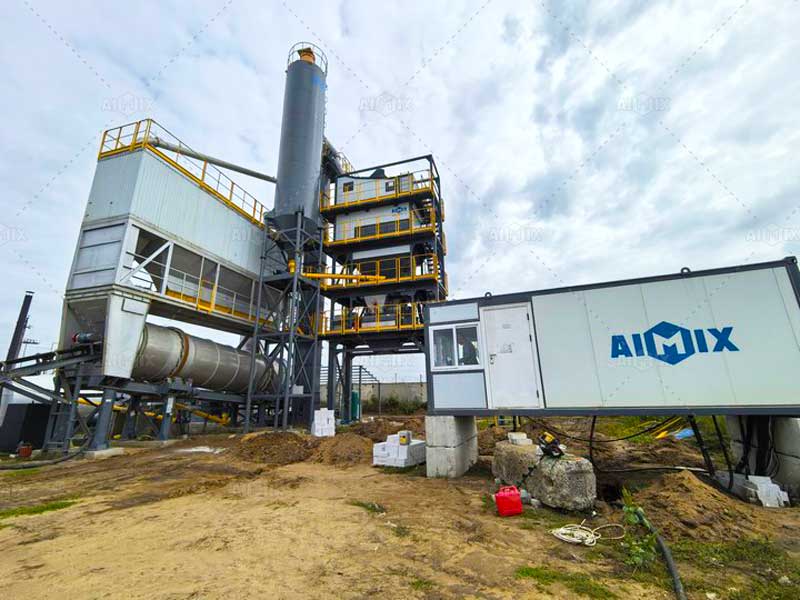
To summarize:
Balancing production efficiency and urban operation feasibility is key to successful urban road upgrades.
We provide both 100 t/h and 160 t/h asphalt plants designed for urban road construction. Our plants feature:
Our solutions help contractors complete Buenos Aires urban road upgrades efficiently, reduce costs, and maintain high-quality pavement standards.
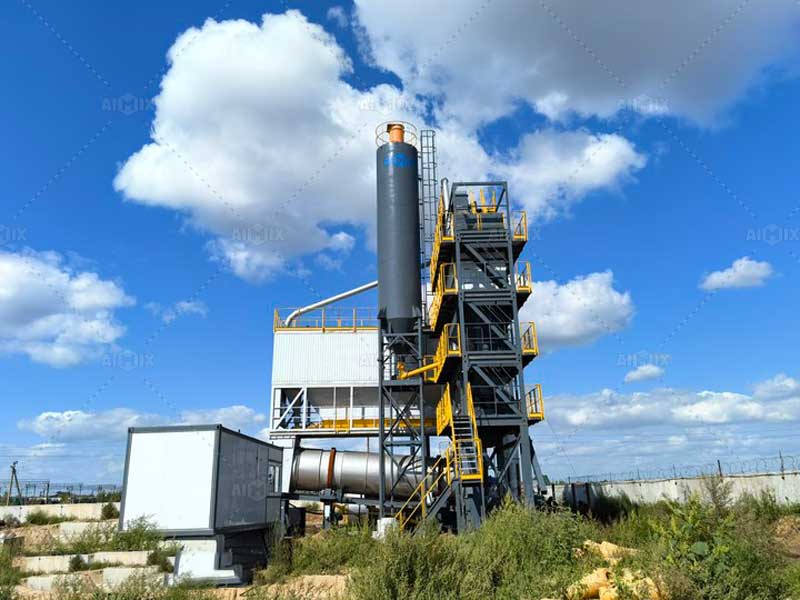
Choosing between a 100 t/h and 160 t/h asphalt plant depends on your project scale, schedule, and urban constraints. Analyze your paving area, layer thickness, and completion timeline. Consider cost, efficiency, and operational feasibility. Proper planning ensures your urban road upgrade project runs smoothly and meets quality standards.
If you are planning urban road upgrades in Buenos Aires, contact us today. We can help you select the right asphalt plant, optimize production, and achieve successful project completion with minimal disruption. Let’s work together to build better roads efficiently and reliably.