Engineering Considerations for Long-Lasting Stationary Concrete Batching Plants
Stationary concrete batching plants are the backbone of large-scale construction projects, providing reliable, consistent concrete production over long periods. For engineers and construction businesses, understanding the key engineering considerations that contribute to the longevity of a stationary concrete batching plant is crucial. From material selection and design to operation and maintenance, these factors determine both performance and total cost of ownership.
Design and Structural Integrity
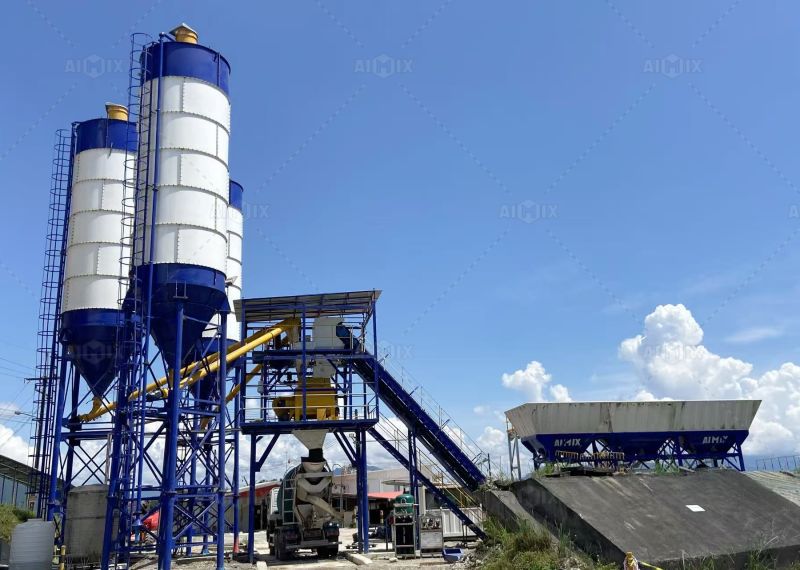
The foundation of a durable stationary concrete batching plant lies in its design. Structural integrity must be prioritized, especially for plants that handle high production volumes or are located in harsh environmental conditions. Engineering teams focus on using reinforced steel frameworks, robust concrete foundations, and vibration-resistant mounting for mixers and conveyors. Proper alignment of all components reduces wear and tear, prevents mechanical failures, and ensures consistent batching performance over time.
High-Quality Materials and Components
Material selection is another critical factor. Long-lasting stationary concrete batching plants rely on high-quality steel for frames and mixers, corrosion-resistant coatings for metal surfaces, and durable bearings and seals for moving parts. Using substandard materials may reduce initial cost but often leads to higher maintenance expenses and shorter equipment life. Reputable manufacturers carefully select materials that can withstand abrasive aggregates, moisture, and varying temperatures.
Automation and Control Systems
Modern stationary concrete batching plants increasingly integrate automated control systems, which enhance both productivity and longevity. Advanced control panels monitor aggregate, water, and cement ratios, ensuring consistent concrete quality while reducing human error. Automation also allows for predictive maintenance alerts, preventing costly downtime. Engineers designing the plant must ensure that control systems are compatible with the plant’s mechanical and electrical components for seamless operation.
Operational Efficiency
How a stationary concrete batching plant is operated significantly affects its lifespan. Proper loading procedures, correct mixer operation, and balanced production schedules reduce unnecessary strain on equipment. Overloading or running the plant beyond recommended capacity accelerates wear on mixers, conveyors, and batching units. Training operators on best practices is a key engineering consideration that ensures long-term plant reliability.
Maintenance Planning
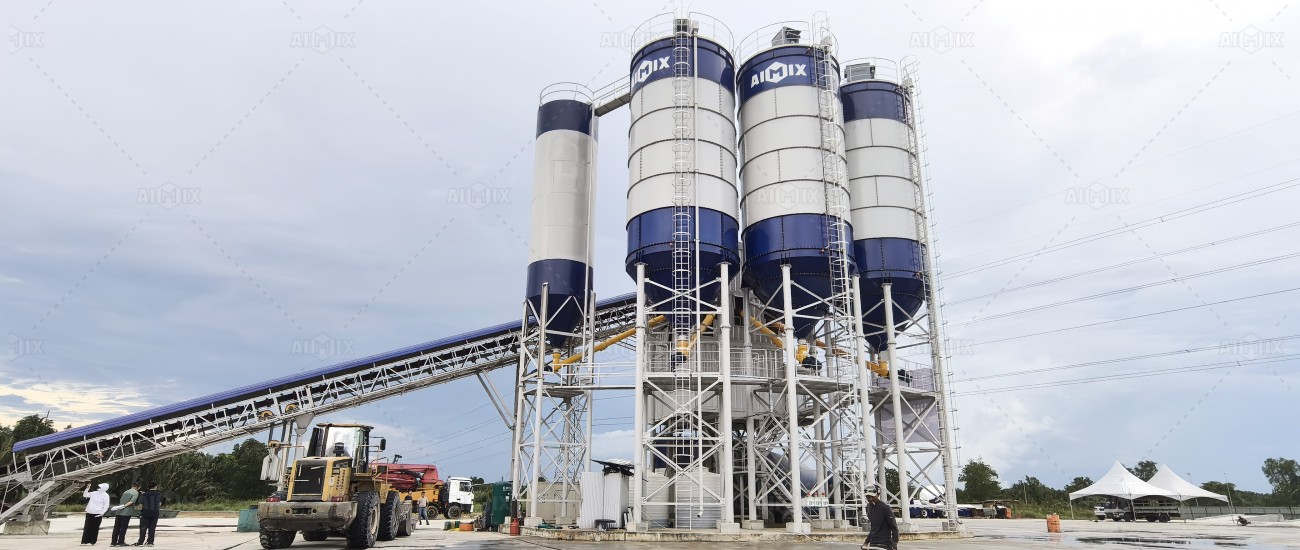
Maintenance is not just reactive; it must be proactive. A well-engineered stationary concrete batching plant includes easy access to critical components, such as mixers, conveyors, and hoppers, to facilitate regular inspections and servicing. Scheduled maintenance, including lubrication, calibration, and part replacement, extends equipment life. Engineering teams often design batching concrete plants with modular components that can be replaced individually, reducing downtime and repair costs.
Environmental and Site Considerations
Environmental factors also influence the engineering design. Plants located in regions with high humidity, heavy rainfall, or extreme temperatures require additional protection for electrical systems and metal structures. Dust collection and wastewater management systems not only ensure regulatory compliance but also prevent premature wear caused by cement dust accumulation and corrosion. Proper site drainage and foundation design further enhance plant longevity.
Energy Efficiency and Sustainability
Integrating energy-efficient components and sustainable practices contributes to the long-term operation of a stationary concrete batching plant. Variable frequency drives (VFDs) for motors, efficient mixer designs, and optimized conveyor layouts reduce energy consumption while minimizing mechanical stress. Sustainability considerations, such as using recycled aggregates and green cementitious materials, also align with modern construction trends and can improve plant lifespan by reducing abrasive wear.
Conclusion
Engineering a long-lasting stationary concrete batching plant requires a holistic approach, balancing design, materials, automation, operation, and maintenance. By focusing on structural integrity, high-quality components, efficient control systems, and proactive maintenance strategies, construction businesses can ensure reliable concrete production and maximize their investment. Incorporating environmental and energy-efficient considerations further strengthens the plant’s durability, making it a key asset for years of uninterrupted construction activity.