In South Africa, choosing an asphalt plant is rarely a simple equipment decision. Contractors must balance regulations, project locations, logistics, climate, budgets, and long-term operational risks. As a result, asphalt plant selection often reflects local constraints more than pure technical preference.
This article explains how South African contractors make these decisions in real projects. It connects industry realities with practical plant choices, so readers can clearly see what matters, why it matters, and how the right asphalt plant reduces risk and improves returns.
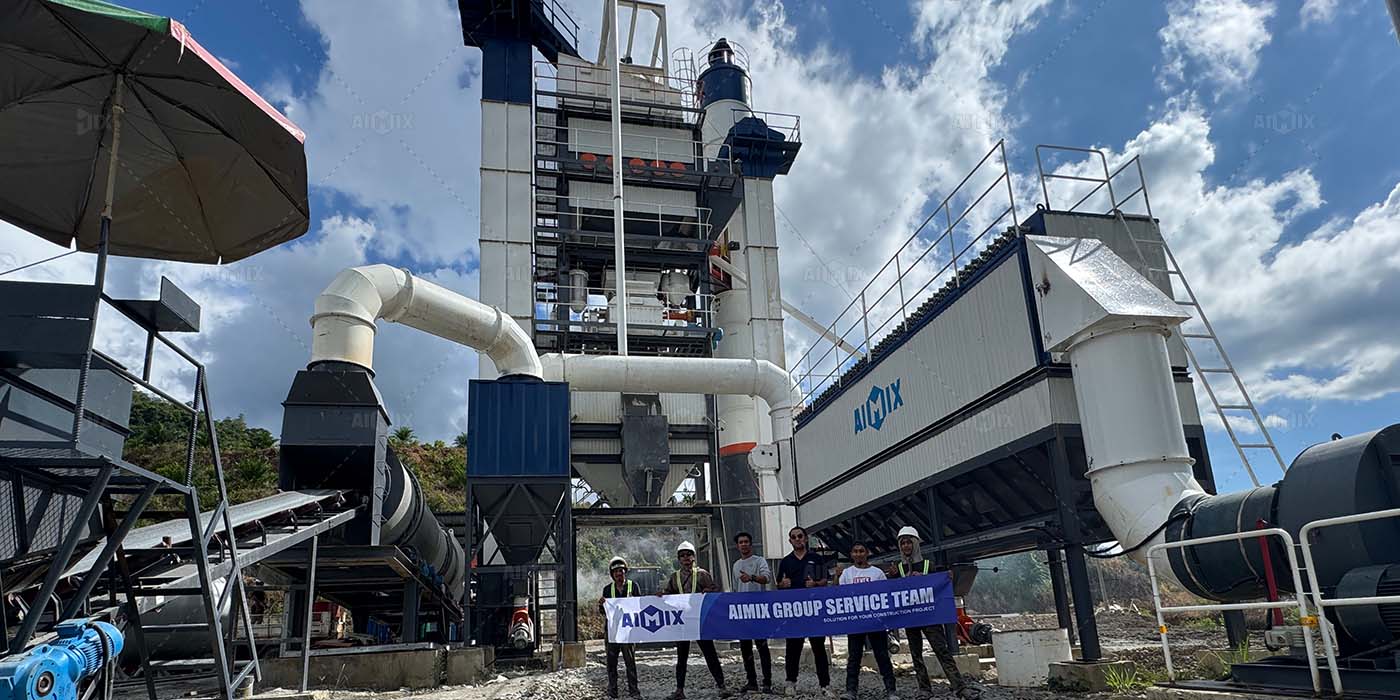
Before discussing plant types, it is necessary to understand the local context. South Africa has a diverse construction landscape, and this diversity strongly shapes equipment choices.
South African road projects range from dense urban upgrades in Gauteng to long-distance highways in the Northern Cape. Coastal regions like KwaZulu-Natal face humidity and salt exposure, while inland areas deal with dry conditions and temperature swings.
Because of this variation, contractors rarely adopt a one-size-fits-all approach. Instead, they match asphalt plant configurations to terrain, distance, and project scale.
Another important factor is the nature of demand. Many projects focus on rehabilitation rather than new highways. Milling, resurfacing, and periodic maintenance dominate tender lists.
Therefore, contractors often prioritize plants that start quickly, relocate easily, and operate efficiently at medium capacity.
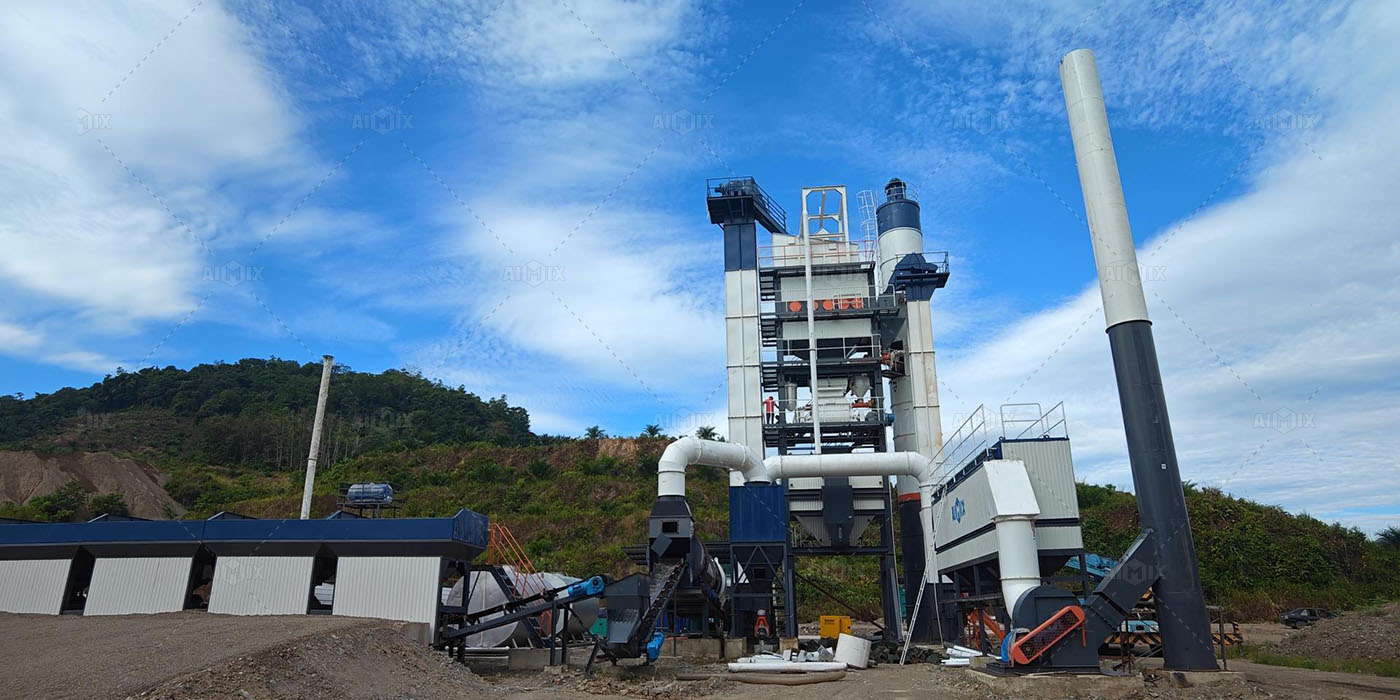
After understanding the project environment, contractors usually turn their attention to compliance issues. These rules directly affect plant selection.
South African environmental regulations require dust control, noise management, and emission reduction. Urban projects face even stricter scrutiny.
As a result, contractors prefer asphalt plants with enclosed structures, efficient baghouse filters, and low fuel consumption. Plants that simplify environmental approval often save months in project timelines.
Many road projects operate near residential or commercial areas. Complaints about noise or smoke can delay work.
For this reason, compact plants with lower operating noise and cleaner burners gain more attention. Contractors value solutions that minimize conflict with local communities.
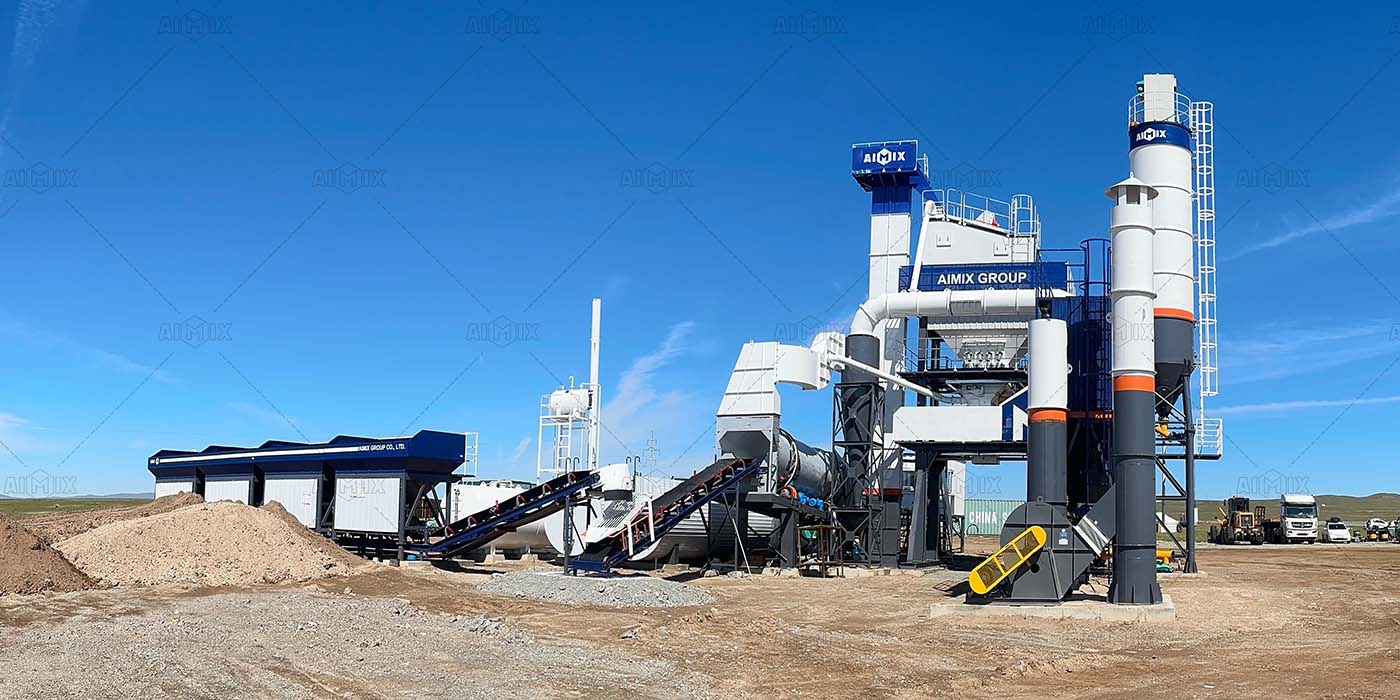
Once regulatory risks are under control, contractors focus on matching plant capacity with actual project needs.
Large-capacity plants look attractive on paper. However, in South Africa, oversized plants often create problems.
They consume more fuel, require higher initial investment, and struggle to operate efficiently on smaller contracts. When projects pause, idle capacity becomes a financial burden.
For many provincial and municipal projects, plants in the 80–160 t/h range offer better flexibility. These plants handle daily production targets without excessive overhead.
Meanwhile, national highway projects or long-term concessions may justify capacities above 200 t/h. Even then, contractors still examine logistics and continuity of work.
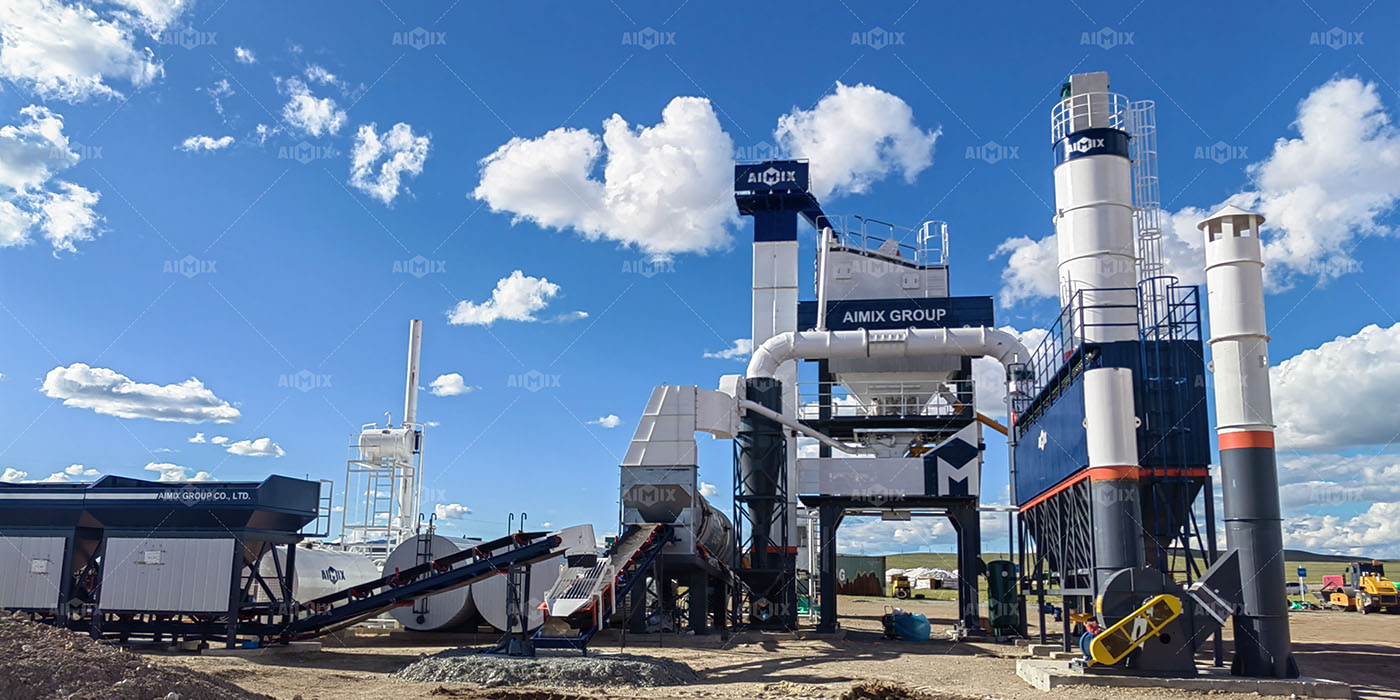
After determining capacity, contractors must decide how fixed or flexible the plant should be.
Mobile asphalt plants suit projects with changing locations. They reduce transportation costs for hot mix and shorten setup time.
In rural or remote regions, mobility often outweighs slightly higher unit costs. Contractors prefer to move the plant closer to the job rather than haul asphalt over long distances.
Despite the mobility trend, stationary plants still play an important role. Urban hubs with continuous demand support permanent installations.
These plants offer higher automation, stable quality, and lower operating cost per ton when utilization stays high.
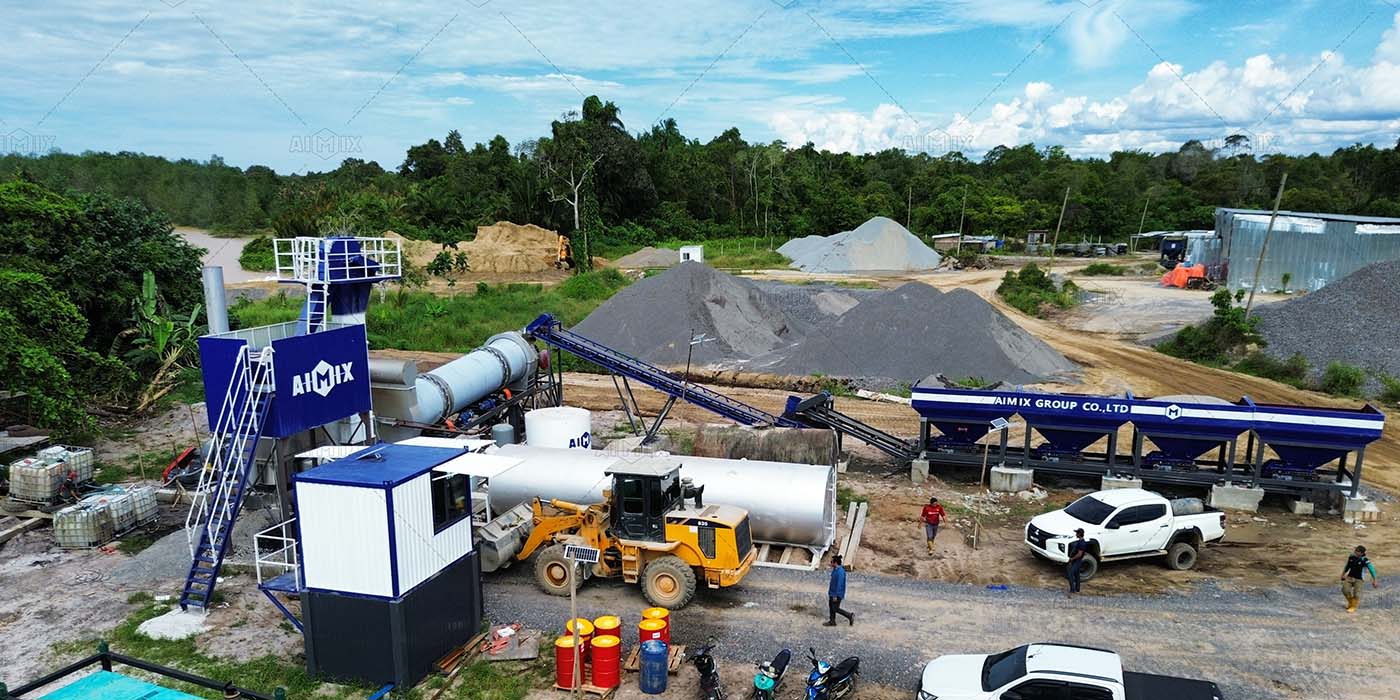
Material sourcing is another factor that directly influences plant selection.
Not all regions have easy access to high-quality aggregates. Transporting aggregates over long distances raises costs quickly.
Therefore, contractors look for asphalt plants that handle variable aggregate sizes and moisture levels without sacrificing mix quality.
Bitumen supply reliability also matters. Plants with precise temperature control and stable heating systems reduce waste and improve consistency.
This becomes especially important during cooler seasons or in high-altitude areas.
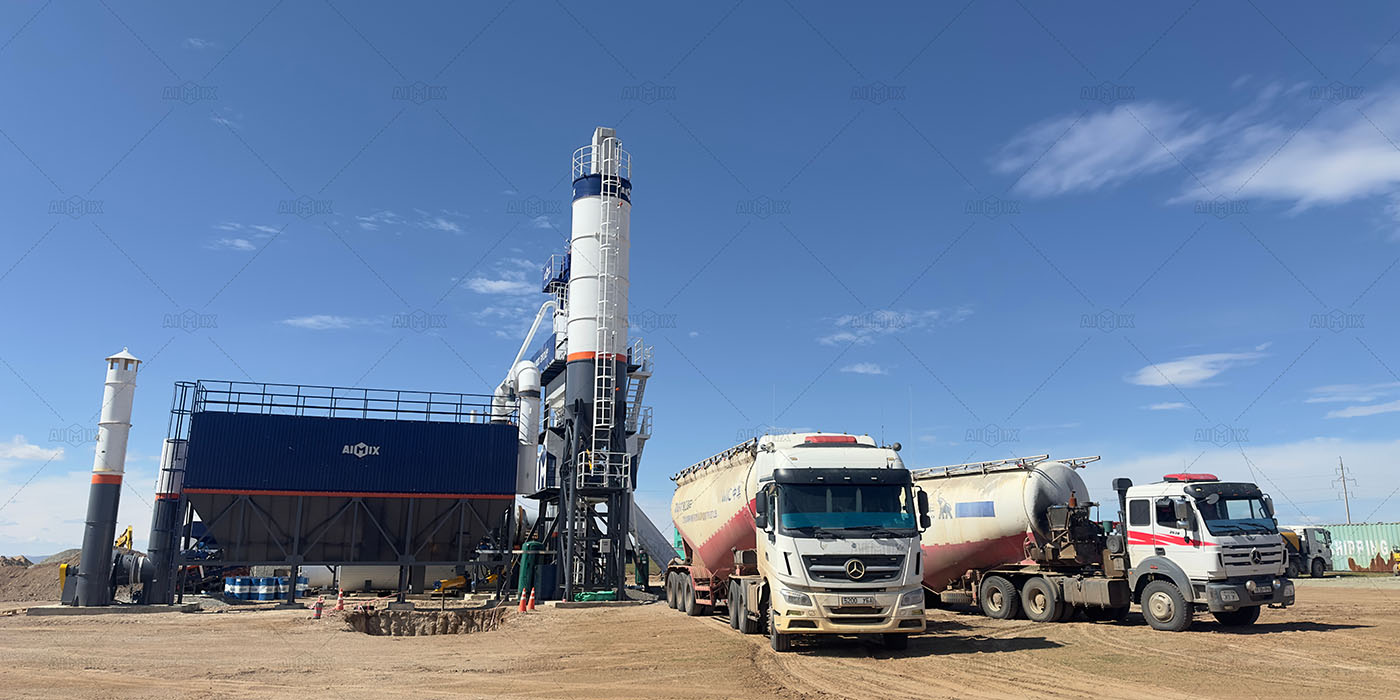
Beyond technical performance, economic pressure plays a decisive role.
Fuel costs fluctuate in South Africa. Contractors prefer plants compatible with diesel, heavy oil, or gas.
Flexible burners allow them to adapt quickly when fuel prices change, which protects margins.
Downtime costs money. Contractors value plants with simple structures and widely available spare parts.
They often choose suppliers with local service teams or regional partners to reduce maintenance delays.

Human factors also influence asphalt plant decisions.
High automation improves consistency, but it also requires skilled operators. Some contractors prefer semi-automatic systems that balance control and simplicity.
This approach reduces training pressure while maintaining quality.
Modern asphalt plants integrate safety features that protect workers and reduce accidents.
Clear layouts, centralized control rooms, and intuitive interfaces make daily operation smoother.
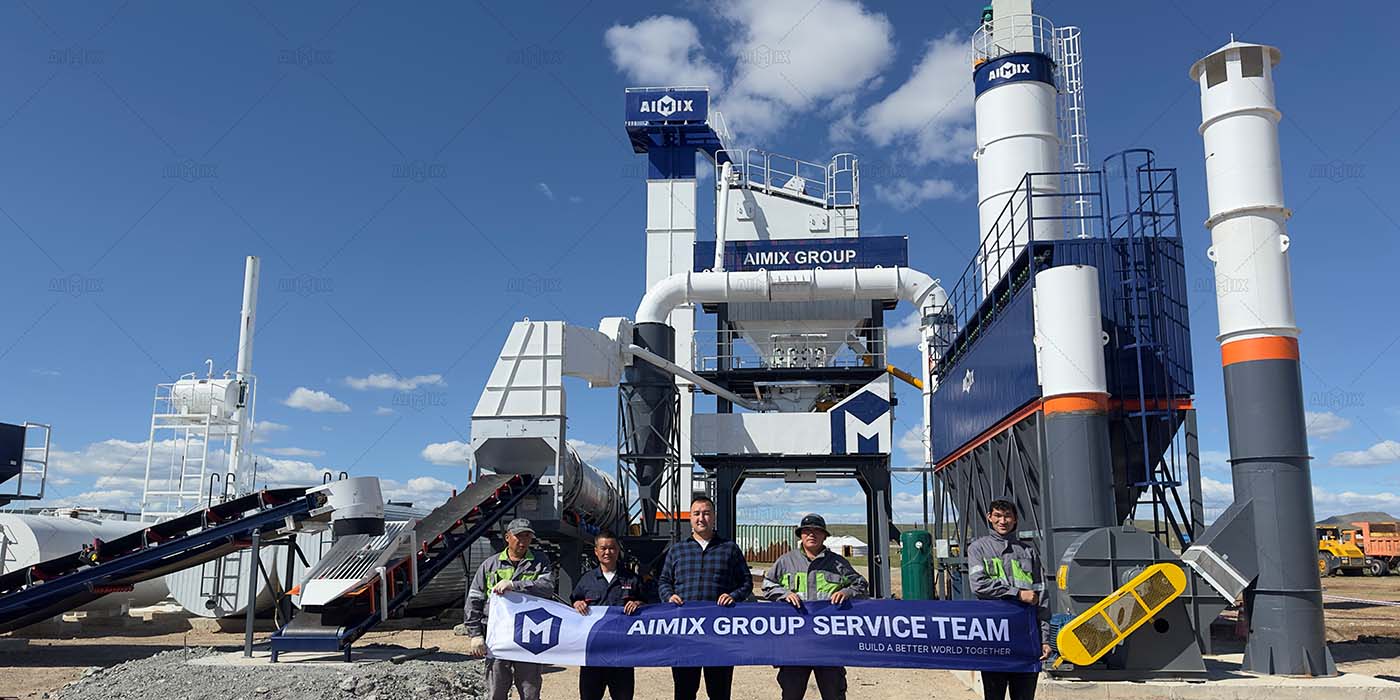
After comparing technical and economic factors, contractors focus on the supplier.
Suppliers with experience in African conditions understand logistics challenges, customs procedures, and on-site realities.
This experience reduces installation risks and improves commissioning speed.
Contractors look beyond purchase price. They evaluate training programs, after-sales support, and long-term reliability.
A plant that runs reliably for years often delivers better value than a cheaper alternative.
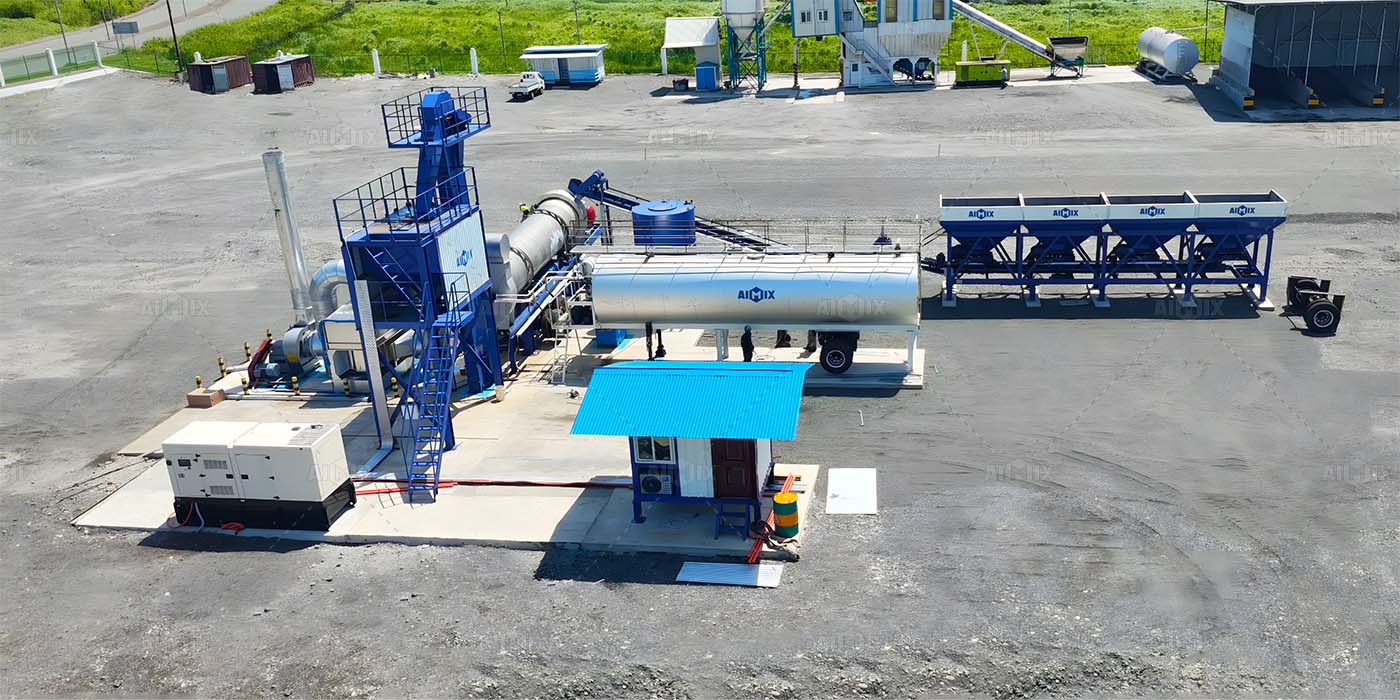
At AIMIX, we design asphalt plants with real project conditions in mind. We understand the challenges South African contractors face, from environmental compliance to remote-site logistics.
Our asphalt mixing plants cover mobile and stationary solutions, with flexible capacity options and energy-efficient systems. We focus on stable performance, easy maintenance, and practical automation.
More importantly, we support contractors with technical guidance, installation assistance, and responsive service. This approach helps our partners reduce risk and improve project efficiency.
South African contractors choose asphalt plants based on more than specifications. They evaluate regulations, geography, material supply, operating costs, and long-term reliability.
When these factors align, the asphalt plant becomes a strategic asset rather than a constraint.
If you are planning a road project in South Africa and want an asphalt plant solution that fits local realities, our team is ready to help. Contact us to discuss your project needs and explore a solution designed for your success.