Bridge construction projects in Kazakhstan come with unique challenges. Long transport distances, harsh continental weather, strict quality standards, and tight project timelines all put pressure on asphalt supply. For contractors and project owners, one question often becomes critical early on: how to choose the right asphalt mixing plant capacity for bridge construction.
This decision affects more than just output numbers. It directly influences paving quality, construction rhythm, operating costs, and overall project risk. In this article, we look at asphalt plant capacity from a real project perspective. We focus on bridge construction conditions in Kazakhstan, and we explain how to match plant capacity with actual site needs, not just theoretical figures.
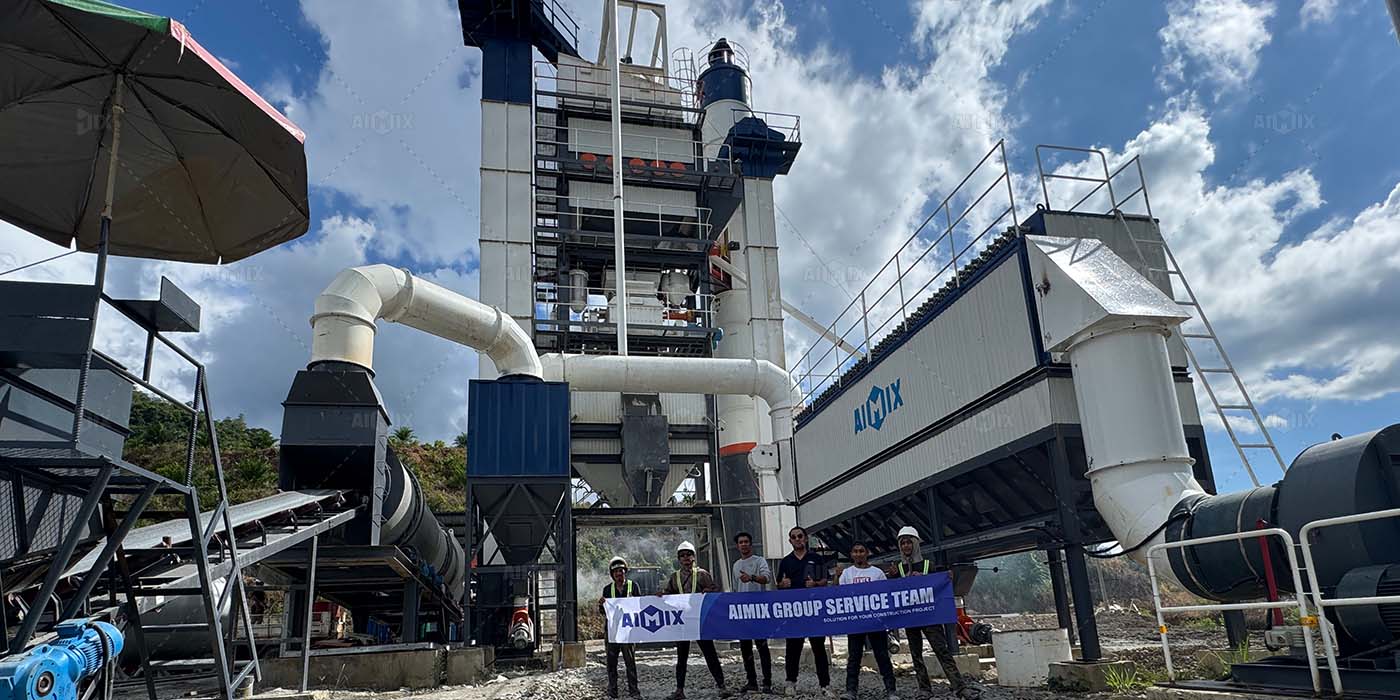
Before discussing numbers, it helps to understand why capacity selection matters so much in bridge construction. Bridge asphalt work differs from standard road paving in several ways. For reliable supply, many contractors first search for an asphalt plant near me before calculating quantities and timing.
Bridge decks usually require higher asphalt performance. The paving windows are often short. Any interruption in asphalt supply can affect compaction and bonding. At the same time, overcapacity can lead to material waste, idle equipment, and higher fuel costs.
Therefore, choosing the right capacity is not about “bigger is better.” Instead, it is about balance. You want stable output that matches paving speed, crew size, and structural requirements.
Kazakhstan has a vast territory and diverse infrastructure conditions. Bridge projects can range from small river crossings to large highway or railway bridges. Each type creates different asphalt demand.
In most cases, bridge asphalt work includes waterproof layers, binder courses, and wearing courses. The paving width is limited, but quality control is strict. Output consistency matters more than peak output. For paving execution, combining a reliable asphalt supply with an efficient asphalt paver machine helps maintain tight compaction windows.
In northern and central regions, low temperatures shorten the effective paving season. This means contractors often need higher hourly capacity to complete work within limited timeframes. In southern regions, longer seasons allow more flexibility.
Now that we understand demand characteristics, the next step is to translate project requirements into capacity figures.
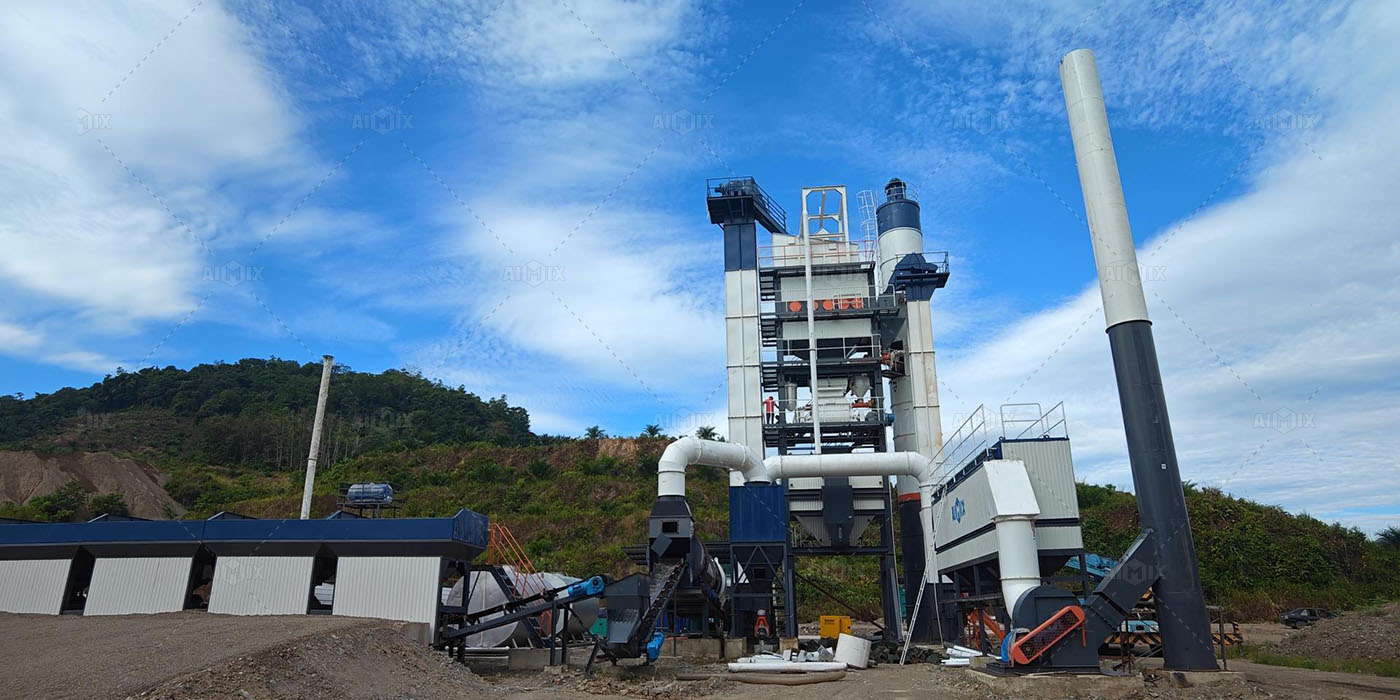
Many buyers focus only on tons per hour. However, for bridge construction, daily or shift-based output often matters more.
For example, a medium-sized bridge deck may require 600–1,000 tons of asphalt for one paving stage. If the paving window is eight hours, a plant with 120 t/h capacity may be enough. If weather or traffic limits reduce paving time to six hours, a higher capacity becomes necessary.
Therefore, start by answering three questions:
This depends on deck size, layer thickness, and design standards. Accurate quantity calculation is essential.
In Kazakhstan, wind, temperature, and logistics can reduce effective hours.
Bridge paving usually requires continuous, interruption-free asphalt delivery.
Once these factors are clear, hourly capacity becomes easier to define.
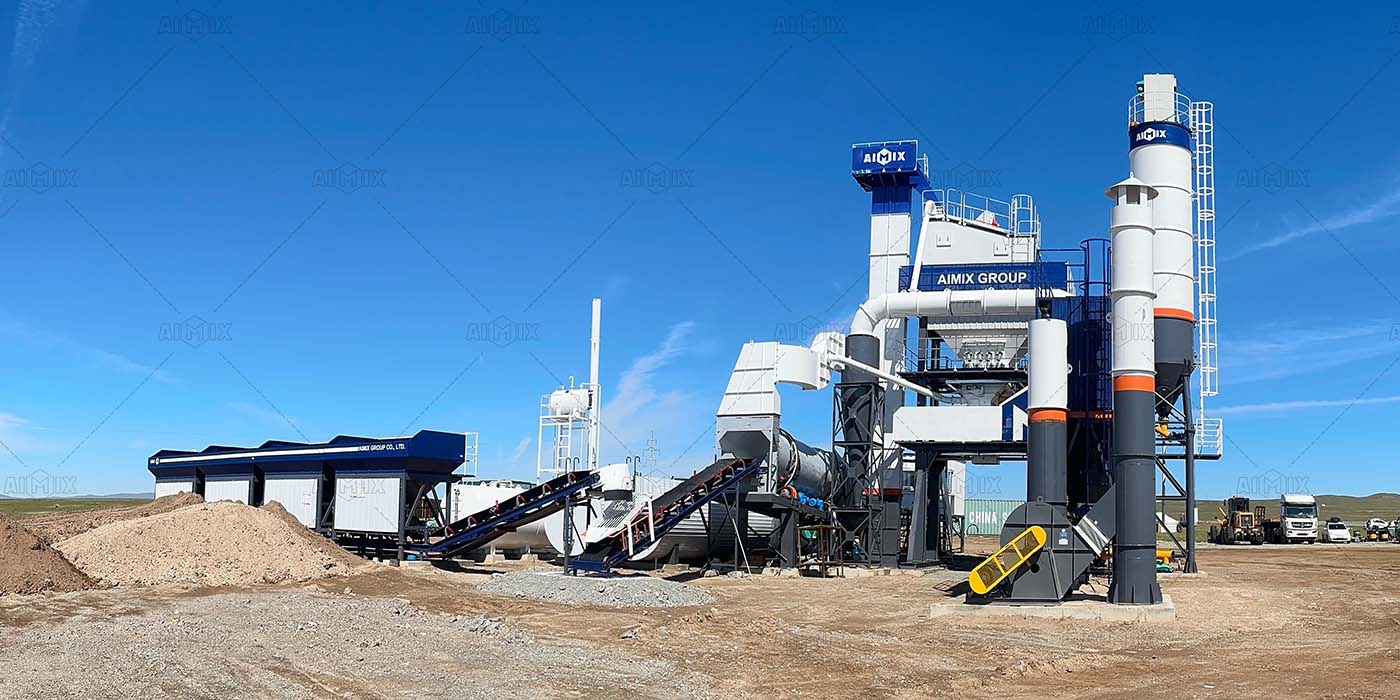
Based on practical projects in Central Asia, several capacity ranges are commonly used for bridge construction.
This range suits small to medium bridge projects. It works well when the bridge deck area is limited and logistics are simple. These plants are easier to transport and install, which is useful for remote regions.
This is a popular choice for highway bridges and regional infrastructure projects. It provides enough buffer capacity to handle weather delays while keeping operating costs under control. Many contractors choose an asphalt batch mix plant for sale in this range because it balances output with price and build quality.
High-capacity plants are suitable for large-scale bridge clusters or projects combined with road paving. However, for standalone bridge work, such capacity may exceed actual demand.
Capacity selection should always align with project scale. Next, let’s look at how logistics influence this choice.
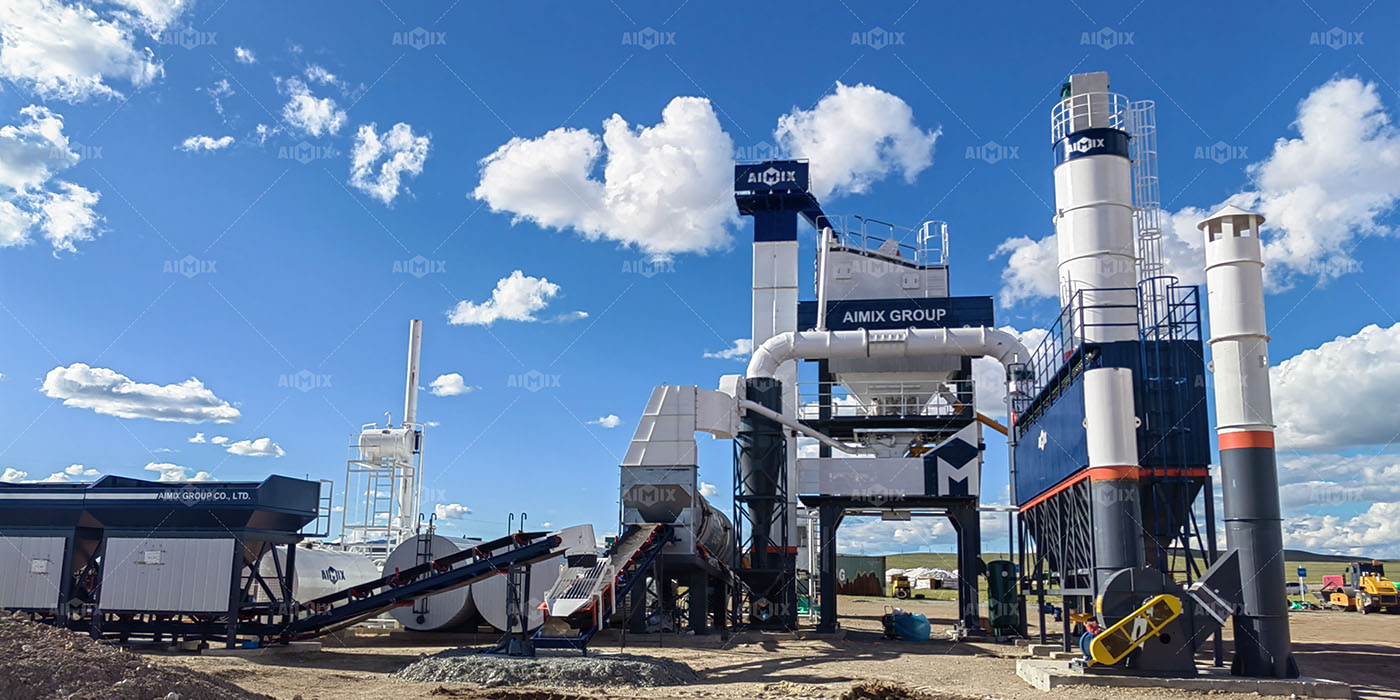
Kazakhstan’s vast distances play a major role in asphalt plant planning. Transport time affects asphalt temperature and paving quality.
If the plant is close to the bridge site, a lower capacity plant may still meet demand. Trucks can cycle faster, and supply remains stable.
However, if the site is remote, longer hauling times reduce effective delivery rates. In such cases, higher plant capacity helps compensate for transport delays.
Additionally, insulated trucks and proper dispatch planning become essential. Capacity alone cannot solve logistics issues, but it can reduce their impact.
Another common mistake is ignoring the paving system’s actual productivity. The asphalt plant is only one part of the chain.
If the paver can only lay 80–100 tons per hour, a 200 TPH plant will not increase output. Instead, it will operate at partial load.
For bridge projects, paving width is often narrow. This limits paving speed. Therefore, plant capacity should slightly exceed paving demand, not double it.
A good rule is to choose a plant that can supply 10–20% more than the maximum paving rate. This buffer helps manage short interruptions without oversizing.
Kazakhstan’s climate strongly affects asphalt production planning. Cold temperatures demand higher mixing efficiency and better thermal control.
In colder regions, contractors often need higher output during shorter warm periods. A plant with higher nominal capacity allows faster completion when conditions are favorable.
At the same time, fuel efficiency becomes critical. Running an oversized plant at low load during cold weather increases fuel consumption per ton.
Therefore, capacity should match seasonal working patterns, not just peak demand.
Capacity selection also depends on plant type.
Batch plants offer precise mix control, which is important for bridge decks. Their rated capacity often reflects realistic production levels.
Drum mix plants provide continuous output and higher nominal capacity. They suit projects with stable mix designs and long paving runs.
For bridge construction in Kazakhstan, many contractors prefer batch plants in the 120–160 TPH range. They balance control, flexibility, and output.
Capacity numbers mean little if the plant cannot run reliably. Bridge projects have little tolerance for downtime.
When choosing plant capacity, also consider:
• Equipment quality and component brands
• Cold-weather performance and insulation design
• Local service support and spare parts availability
• Operator training and automation level
A slightly smaller but more reliable plant often outperforms a larger but unstable one.
Many buyers make similar mistakes when selecting asphalt plant capacity.
Some choose the largest available plant to “be safe.” This increases investment and operating costs.
Others underestimate logistics and choose too small a plant. This causes paving delays and quality risks.
The best approach is data-driven. Use project quantities, paving schedules, and real site constraints.
Before finalizing capacity, review this checklist:
• Bridge size and asphalt volume per stage
• Effective paving hours per day
• Distance from plant to site
• Paver and crew capacity
• Climate and seasonal limits
• Future project expansion plans
This structured approach reduces guesswork and improves project outcomes.
Choosing asphalt mixing plant capacity for bridge construction in Kazakhstan is a strategic decision. It affects quality, cost, and project success.
The right capacity is not the maximum number on a nameplate. It is the capacity that fits your project rhythm, site conditions, and long-term goals.
By focusing on real demand, logistics, and operational efficiency, contractors can make smarter investments, reduce risk, and complete bridge work on time.
If you are planning a bridge construction project in Kazakhstan, our team can help you evaluate asphalt plant capacity based on your actual site conditions.
We provide batch and drum asphalt mixing plants from 80 TPH to 320 TPH. We also offer cold-weather configurations, installation support, and long-term service.
Talk to us early in your planning stage. Together, we can select a capacity that works for your bridge project today and supports your growth tomorrow.