Choosing the right asphalt plant capacity is not a small decision. For a 2-year road project in Malaysia, it can decide your cost, your schedule, and even your reputation with the project owner. Many contractors focus only on the initial price of the plant. However, in real projects, capacity planning matters more than most people expect.
Malaysia’s road projects often face tight deadlines, tropical weather, and strict quality requirements. At the same time, fuel cost, labor cost, and logistics keep rising. So, if you pick a plant that is too small, you may fall behind schedule. If you pick one that is too big, you may waste money every single day. That is why capacity selection should start from the project reality, not from a brochure.
In this guide, we will walk through how to choose the right asphalt plant capacity for a 2-year road project in Malaysia. We will connect production numbers with site conditions, budget pressure, and real construction workflows. More importantly, we will look at this problem from a contractor’s point of view, not just from an equipment supplier’s angle.
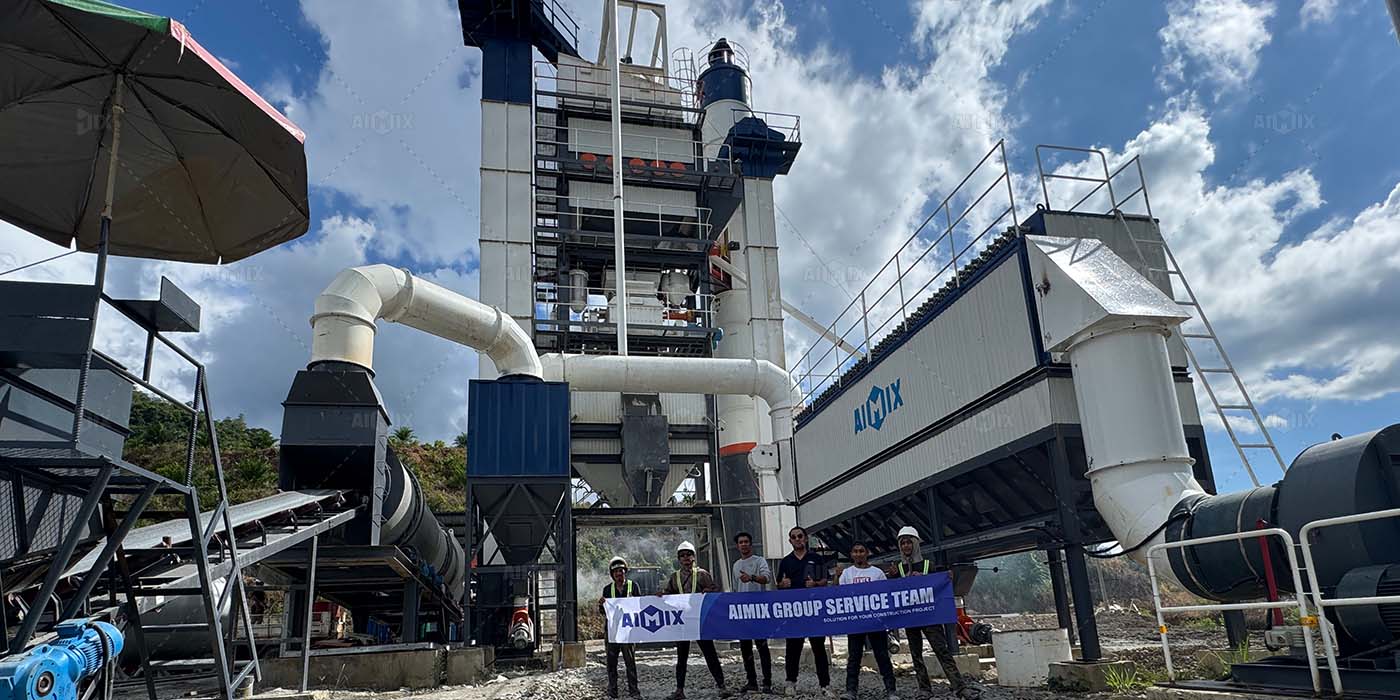
Before talking about tons per hour, you need to understand your project itself. A 2-year road project sounds long. Yet, the real working time is often much shorter than people think. Rainy seasons, holidays, inspections, and utility coordination all reduce effective paving days.
So, the first step is simple but critical. List your total road length, pavement width, and layer thickness. Then calculate the total asphalt volume you need. After that, divide it by the realistic working days, not by calendar days.
For example, if your project needs 200,000 tons of asphalt in total, and you expect around 400 effective paving days over two years, your average daily demand becomes 500 tons. This number becomes your starting point. From here, you can think about how many hours per day you want to pave and what hourly capacity you really need.
Also, if you are exploring options for asphalt plant for sale in Malaysia, understanding your daily and peak demand helps you shortlist the right models early.
Now that you have a rough production target, it is tempting to choose the biggest plant you can afford. Many contractors do this because they want to “play safe.” However, in practice, an oversized plant can become a hidden cost center.
A large asphalt plant consumes more fuel. It also needs more operators and more maintenance. If your daily demand stays far below its rated capacity, you will still pay for these costs. Over two years, this waste adds up quickly.
On the other hand, a plant that is too small creates a different problem. It forces your paving crew to wait. It also increases overtime and night work. Worse still, it can break your construction rhythm. Once you lose that rhythm, quality control becomes harder.
So, the real goal is balance. You want a plant that can meet peak demand. At the same time, you want it to run most of the time in its efficient zone. This is where smart capacity planning shows its value.
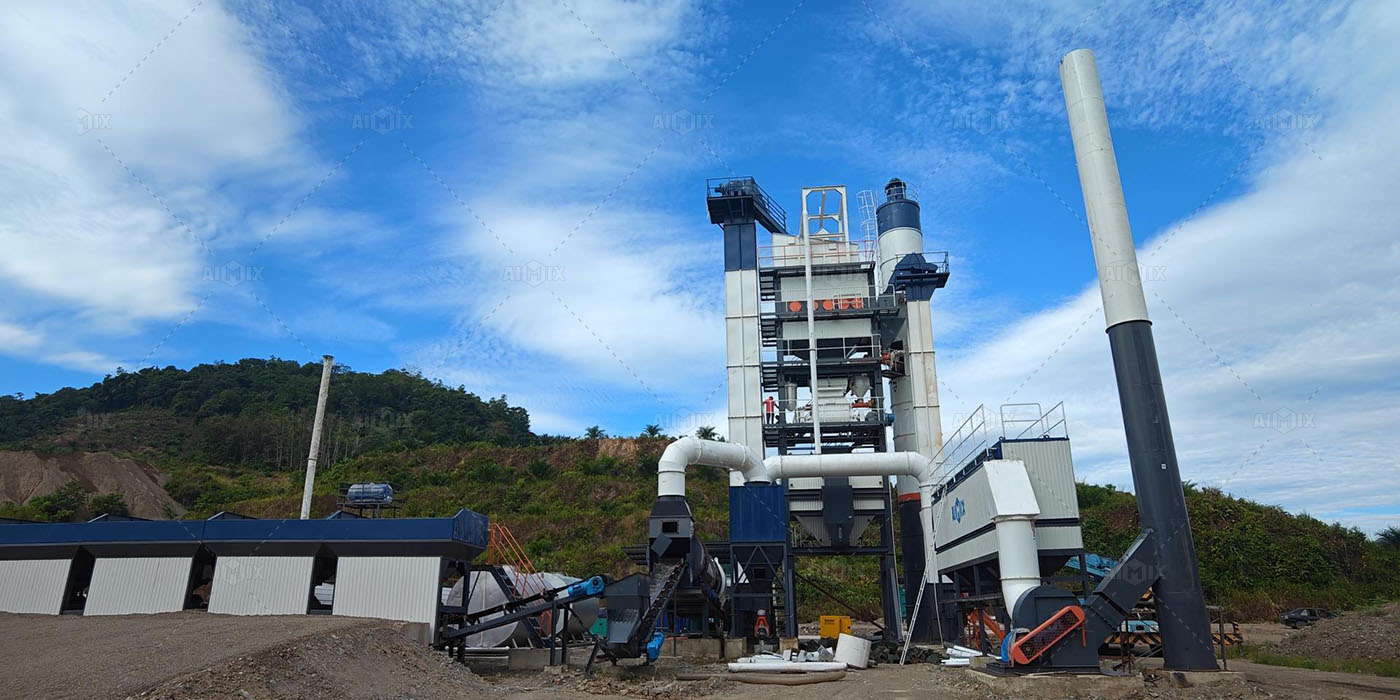
After you estimate your daily asphalt demand, the next step is to convert it into hourly production. This step sounds easy, but many people do it in a very rough way.
Let’s say your project needs 500 tons per day. If you plan to pave for 8 hours a day, your basic requirement becomes about 62.5 tons per hour. However, this number only works in a perfect world. In reality, you will face truck delays, material changes, and short stops for inspection.
Because of this, most experienced contractors add a safety margin of 20% to 30%. In this example, that means you should look at a plant in the range of 80 to 100 tons per hour. This way, you keep your daily target safe. At the same time, you avoid pushing the plant at full load every single hour.
If you are comparing different options, checking detailed specs on asphalt mixing plant for sale can help you understand which models fall into your ideal capacity band.
Capacity selection does not happen in a vacuum. In Malaysia, several local factors can change the final answer. Weather is one of them. Heavy rain can stop paving for hours or even days. When the weather clears, you often need higher short-term output to catch up.
Another factor is logistics. If your quarry is far away or traffic is heavy, truck supply can become the bottleneck. In that case, buying a very large plant will not solve the real problem. You need to match plant capacity with your actual material supply speed.
Power supply also matters. Some sites have limited grid power and rely on generators. A bigger plant means higher fuel consumption and higher running cost. Over two years, this difference can be very significant.
Therefore, when you choose capacity, you should always look at the whole system. The plant, the trucks, the quarry, and the paving crew must work at the same pace. If one part runs too fast or too slow, the whole project suffers.
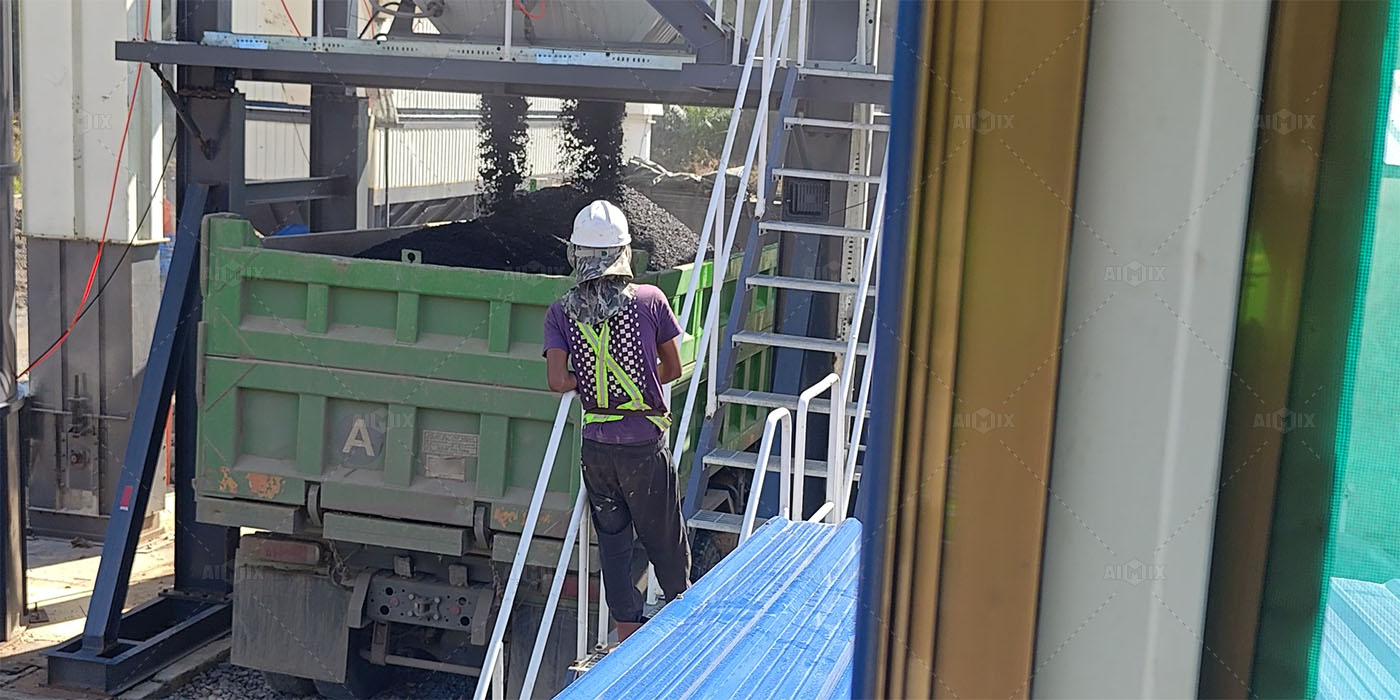
So far, we talked a lot about average daily output. However, road projects rarely move at a constant speed. Some sections need faster progress because of traffic control plans or political deadlines. Some sections are easier and allow longer paving hours.
This is why you should also look at peak demand. Ask yourself a simple question. On the busiest days, how many tons do I really need to produce?
If your average need is 500 tons per day, your peak days may require 700 or even 800 tons. In that case, a plant rated at 80 tons per hour may start to struggle. A 100 or 120 tons per hour plant may give you much more flexibility.
Flexibility is not just about speed. It also protects your quality. When you rush with an underpowered plant, mistakes happen more easily. A slightly higher capacity gives you breathing room, which is often worth more than it looks on paper.
At this point, capacity numbers start to look clear. However, there is one more detail you should never ignore. Rated capacity and real output are not always the same.
For example, a batch type asphalt plant and a drum mix plant with the same nominal capacity can behave differently in daily work. Mix change time, heating efficiency, and control accuracy all affect how much asphalt you can really produce in a day.
In Malaysia, many contractors prefer batch type plants because they offer better mix control and easier compliance with project specifications. Yet, batch plants also need time to switch formulas. This means you should not calculate capacity with laboratory numbers. You should calculate it with site reality.
In practice, it is wise to assume that real output will be 10% to 15% lower than the rated maximum. If your schedule is tight, this buffer becomes even more important.
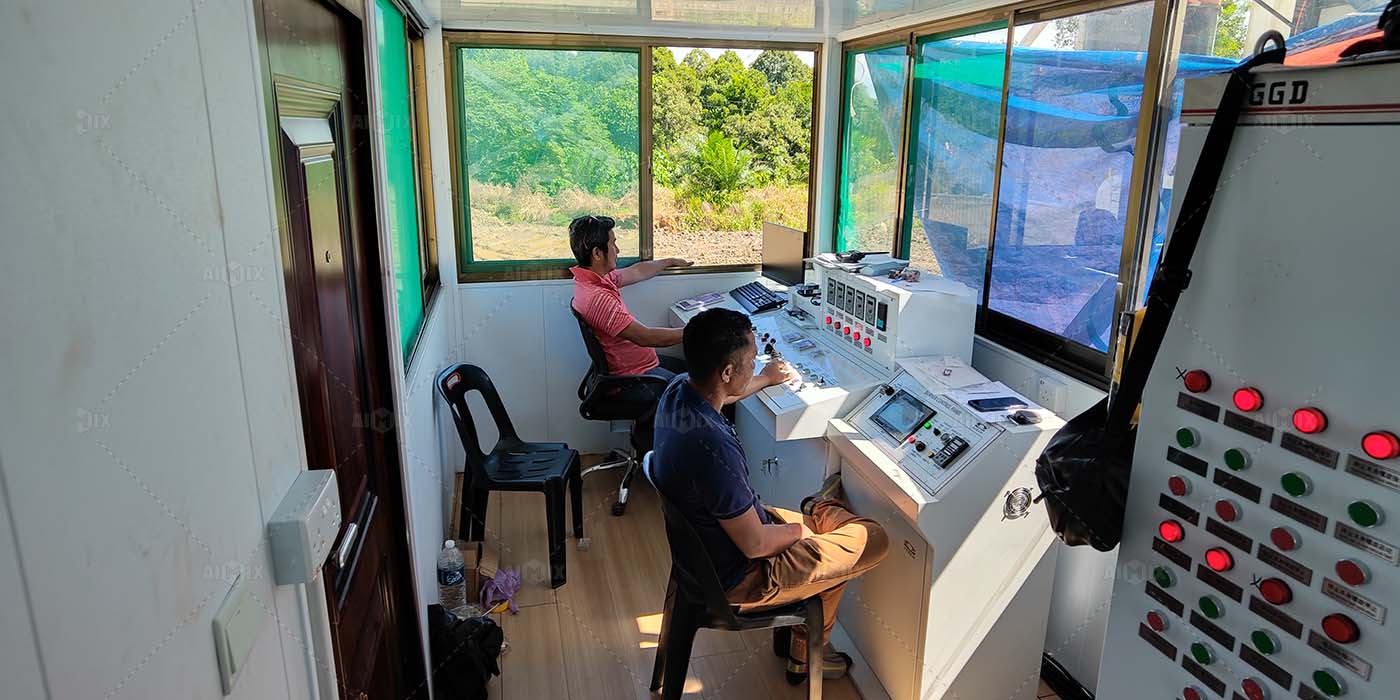
Capacity choice always links to money. A bigger plant costs more to buy. It also costs more to run. However, a smaller plant may increase your labor cost and delay penalties.
This is why smart contractors do not look only at purchase price. They look at total project cost over two years. Fuel, electricity, maintenance, spare parts, and manpower all belong to this calculation.
When you consider the full picture, you may find that a slightly higher initial investment delivers a lower overall cost. In fact, when you search for asphalt plant cost estimates, you will see that operation efficiency often outweighs sticker price.
Sometimes, a medium-sized plant with good efficiency brings the lowest total cost. It runs close to its sweet spot most of the time. It avoids long idle hours. It also reduces stress on the equipment and the team.
A 2-year road project will end. Your asphalt plant will not disappear with it. Therefore, it makes sense to think one step ahead.
If you plan to bid for more projects in Malaysia, especially municipal or provincial roads, your next job may have a different scale. Choosing a capacity that fits both the current project and future opportunities can improve your long-term return.
This kind of planning turns equipment from a cost into a strategic asset.
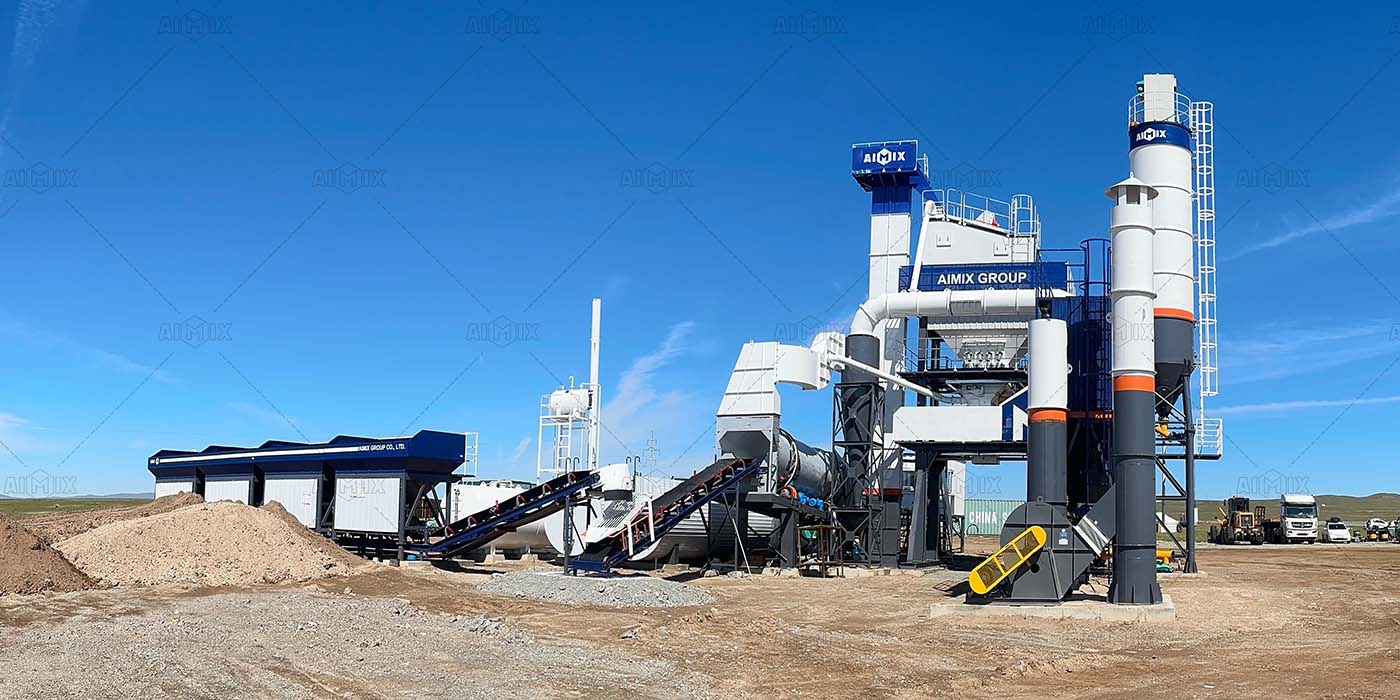
Finally, capacity selection should not be a solo decision. A good supplier does more than sell you a machine. They help you review your production plan, your site layout, and your logistics flow.
They can also share real project data from similar road jobs in Malaysia or nearby regions. This experience often reveals risks that are not obvious at first glance.
More importantly, a professional supplier will not push you toward the biggest model. Instead, they will help you find the capacity that fits your schedule, your budget, and your growth plan.
Choosing asphalt plant capacity for a 2-year road project in Malaysia is not about chasing the highest number. It is about matching production with real demand, real conditions, and real business goals.
Start from your total volume. Break it down into daily and hourly needs. Add a smart safety margin. Then check logistics, weather, and working hours. After that, balance investment cost with operating cost. Finally, think about what comes after this project.
When you follow this logic, capacity selection becomes a business decision, not just a technical one. If you want a more accurate recommendation based on your specific project location, road type, and schedule, it is worth talking to an experienced asphalt plant supplier. With the right capacity choice, your 2-year project can run smoother, cost less, and leave you better prepared for the next opportunity.