Choosing the right asphalt plant capacity is a key decision for contractors and investors working on municipal road projects in Vietnam. Many buyers hesitate between a 120 TPH and a 160 TPH asphalt mixing plant. At first glance, the difference seems simple. However, the impact on project efficiency, cost recovery, and long-term profitability can be significant. If you are looking for a hot mix asphalt plant for sale, it is crucial to match the equipment with your actual project needs.
In Vietnam, municipal road construction often involves tight schedules, budget limits, and changing project scopes. Therefore, you need a plant that matches your real production needs—not just your expectations. In this article, we will break down practical factors to help you make a clear and confident decision.
Before comparing equipment, you need to understand your actual project demand. This step helps you avoid overinvestment or underperformance.
In Vietnam, municipal road projects usually include urban streets, district roads, and maintenance works. These projects often require daily asphalt output between 500 and 1,200 tons. However, the exact demand depends on road width, paving thickness, and construction schedule. If you are planning to invest in an asphalt plant for sale, understanding these numbers will guide your choice.
For example, if you are paving a 5 km urban road with a width of 7 meters and asphalt thickness of 5 cm, the total asphalt demand may reach around 3,500 to 4,000 tons.
If your project timeline is 7 days, you will need about 500–600 tons per day. In this case, a 120 TPH asphalt plant can easily meet your needs.
On the other hand, if you handle multiple municipal projects at the same time, your daily demand may exceed 1,000 tons. In this situation, a 160 TPH plant becomes more suitable.
So, the key point is clear: match plant capacity with your realistic daily production requirement.
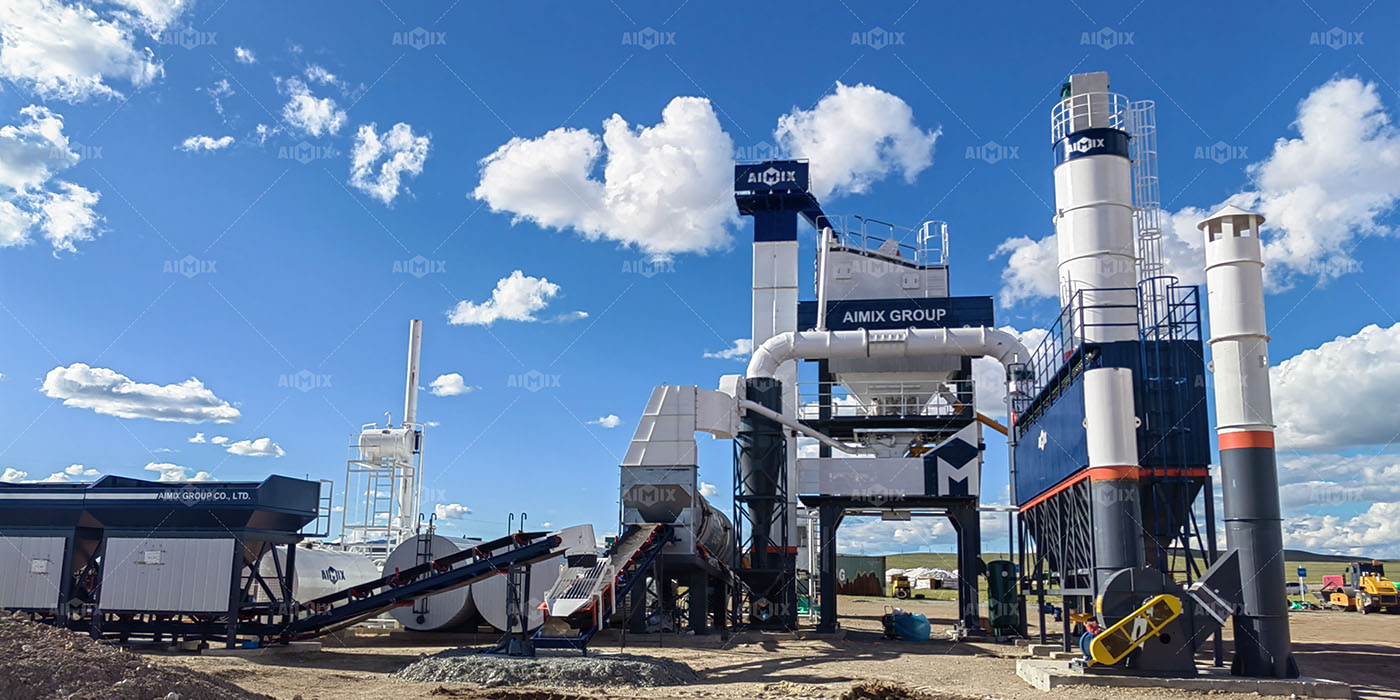
Now that you understand project demand, let’s compare these two options in detail. This comparison will help you see the real differences beyond capacity numbers.
A 120 TPH asphalt plant typically produces 800–960 tons in an 8-hour shift. This capacity works well for single municipal projects.
In contrast, a 160 TPH plant can produce 1,200–1,280 tons in the same time. This higher output reduces working hours and increases flexibility.
As a result, a 160 TPH plant allows you to finish projects faster or handle multiple sites at once.
However, higher capacity comes with higher investment. A 160 TPH asphalt plant usually costs 15%–25% more than a 120 TPH plant. Evaluating asphalt mixing plant price beforehand can prevent unnecessary spending.
In addition, fuel consumption and maintenance costs are also slightly higher. If your projects are not continuous, this extra cost may reduce your return on investment.
Therefore, if your workload is stable but not large, a 120 TPH plant offers better cost control.
Municipal road projects in Vietnam often change locations. Some projects are in urban areas, while others are in suburban districts.
A 120 TPH asphalt plant is usually easier to transport and install. It requires less space and lower foundation cost.
In comparison, a 160 TPH plant needs more installation space and longer setup time. This factor matters if your projects move frequently.
So, if flexibility is your priority, the smaller capacity may be more practical.
After comparing the two options, you still need to consider several real-world factors. These factors often determine which plant truly fits your business.
If you only work on government municipal projects with fixed contracts, your workload may remain stable. In this case, a 120 TPH plant is often enough.
However, if you plan to expand into commercial asphalt supply or private road projects, a 160 TPH plant gives you more production capacity.
In other words, your future business plan should guide your decision.
In Vietnam, many municipal projects have strict deadlines. Delays can lead to penalties.
A 160 TPH plant provides a safety margin. Even if weather or logistics cause delays, you can still catch up with higher daily output.
On the contrary, a 120 TPH plant may struggle under tight deadlines if unexpected issues occur.
Another important factor is raw material supply. If your aggregate and bitumen supply is stable, a higher-capacity plant can operate efficiently.
However, if material delivery is inconsistent, a 160 TPH plant may not run at full capacity. This situation leads to wasted investment.
Therefore, always evaluate your local supply chain before choosing capacity.
Cost recovery is one of the most important concerns for buyers. Let’s look at a simple comparison.
If your project produces 800 tons per day with a profit margin of $5 per ton, your daily profit is $4,000.
Assuming 20 working days per month, your monthly profit reaches $80,000.
This means you can recover your investment in a relatively short period, especially for small to medium contractors.
With a 160 TPH plant, daily production may reach 1,200 tons. At the same profit margin, your daily profit becomes $6,000.
Monthly profit increases to $120,000. As a result, you can recover the higher investment faster—if you maintain full production.
However, if your utilization rate drops below 70%, the advantage decreases.
So, utilization rate is the key to maximizing ROI.
Based on the analysis above, we can summarize clear usage scenarios. This helps you quickly identify the best option for your situation.
You should consider a 120 TPH plant if:
- You focus on single municipal projects
- Your daily demand is below 900 tons
- Your budget is limited
- You need frequent relocation between sites
You should consider a 160 TPH plant if:
- You handle multiple projects simultaneously
- Your daily demand exceeds 1,000 tons
- You plan to sell asphalt mix commercially
- You face strict construction deadlines
Many buyers choose larger capacity because they expect future growth. However, this strategy does not always work. If your projects do not match your plant capacity, your costs will increase.
Instead, you should base your decision on real data. Analyze your current projects, future plans, and local conditions. Then choose a plant that fits your actual needs.
In Vietnam’s municipal road market, both 120 TPH and 160 TPH asphalt plants have strong advantages. The right choice depends on how you plan your business and manage your projects.
If you are still unsure which capacity suits your project, you are not alone. Every project has unique requirements, and a standard answer does not always work.
Our team can help you evaluate your project data, calculate production needs, and recommend the most suitable asphalt plant configuration. We focus on practical solutions that improve efficiency and profitability.
Contact us today to get a customized proposal for your municipal road projects in Vietnam. Let’s build a solution that works for your real business—not just on paper.