Road construction projects rarely follow a single pattern today. Many contractors face a mixed task: building new roads while also resurfacing old ones. These projects demand flexibility, stable quality, and strong cost control. As a result, choosing the right asphalt mixing plant becomes a strategic decision, not just an equipment purchase.
This article looks at the problem from a contractor’s and project owner’s perspective. It explains how to select an asphalt plant that can handle both new road construction and resurfacing work efficiently. More importantly, it focuses on real project needs, not abstract specifications.
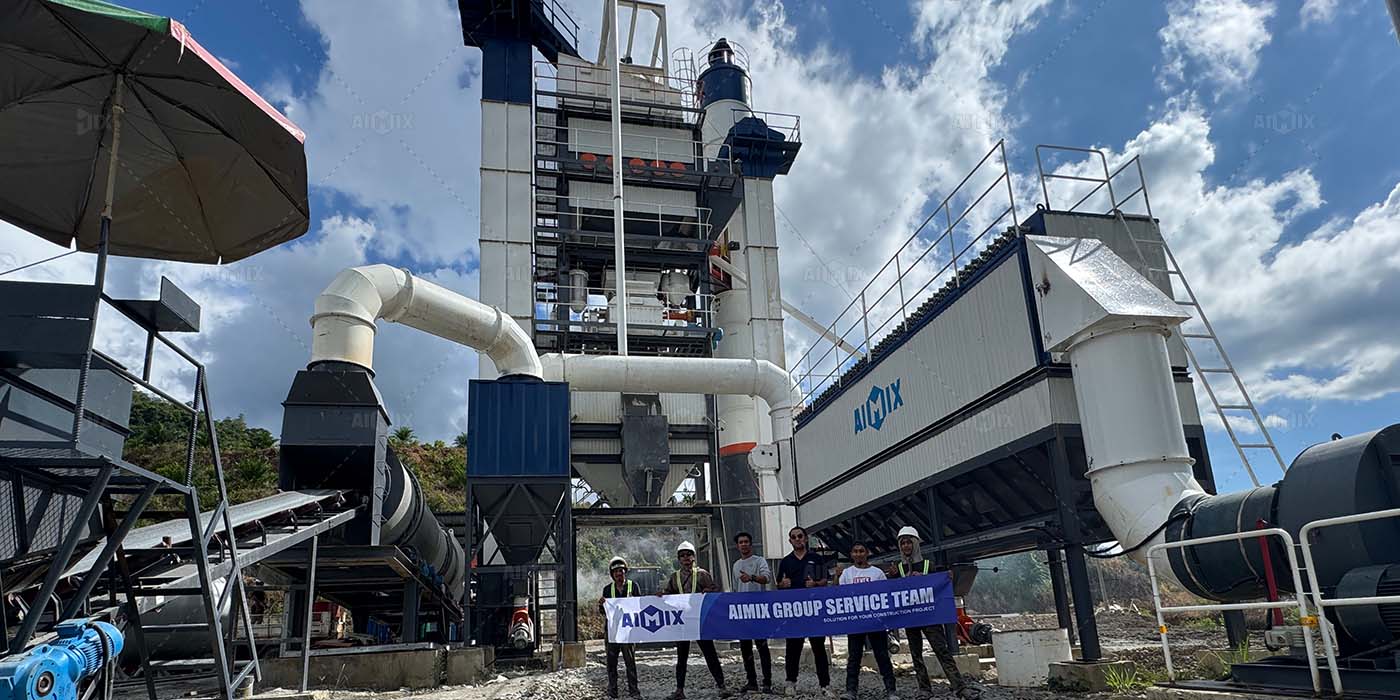
Before selecting any asphalt plant, you must understand what “combined projects” really mean. These projects usually involve different pavement layers, varying asphalt recipes, and frequent switching between tasks.
In other words, the asphalt plant must adapt quickly. It must support both high-volume production for new roads and precise control for resurfacing jobs.
New road construction often requires large and continuous asphalt output. Long paving distances and tight schedules push plants to run at high capacity.
Resurfacing projects, however, tell a different story. They usually need smaller batches, more frequent recipe changes, and stricter temperature control.
Because of this contrast, the asphalt plant must balance productivity with flexibility.
New roads often use standard base and binder mixes. Resurfacing projects may require polymer-modified asphalt, SMA, or recycled asphalt pavement (RAP).
Therefore, the plant must handle multiple mix designs without slowing down production or compromising quality.
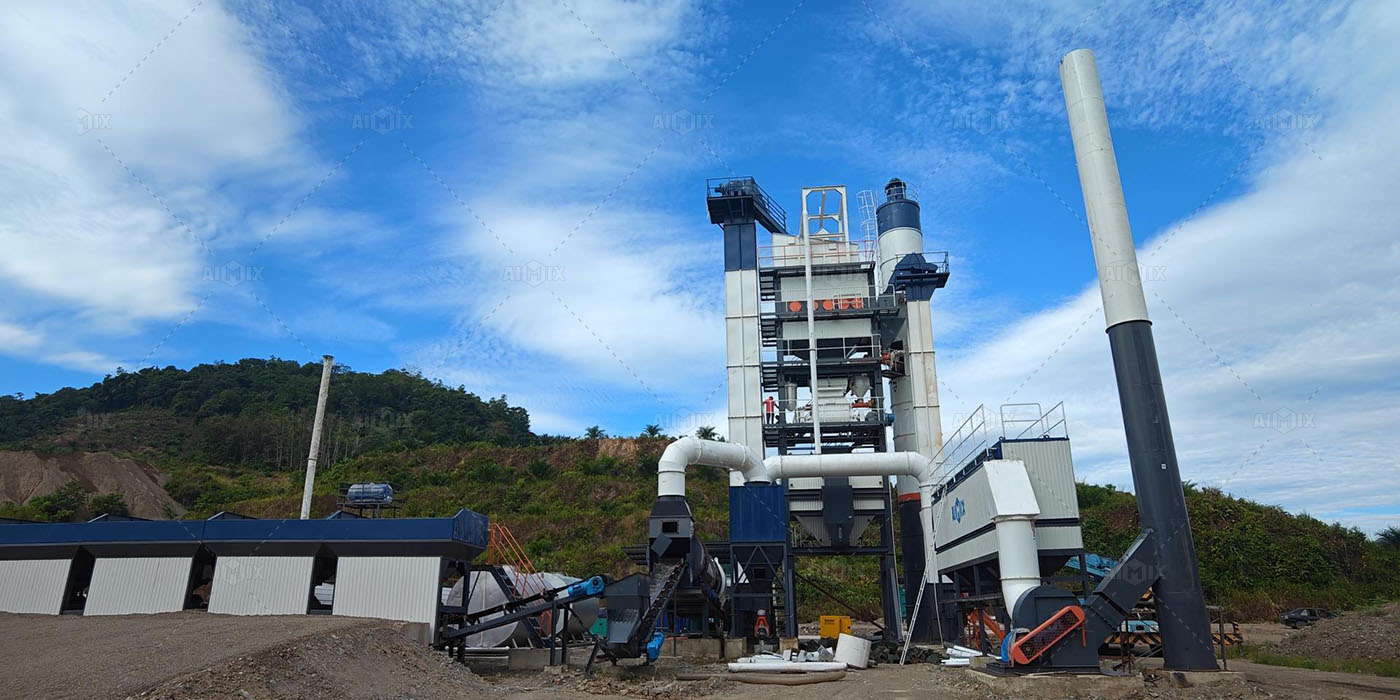
Once the project scope is clear, the next step involves plant type selection. This choice sets the foundation for all future decisions.
Let’s look at the two main options and how they fit combined road projects.
Batch plants produce asphalt in batches. Each batch follows a defined recipe. This process offers high accuracy.
For resurfacing projects, this precision matters. Contractors can adjust aggregate gradation, bitumen content, and additives with ease.
In addition, batch plants support frequent recipe changes. This flexibility helps when projects switch between new roads and rehabilitation work.
However, batch plants usually cost more. They also require more space and installation time.
Drum asphalt mixing plant work continuously. Aggregates dry and mix with bitumen in a single drum.
This design supports high output. It suits long new road projects very well.
Yet, drum plants offer less flexibility. Recipe changes take more time. Quality control can also become more challenging for resurfacing tasks.
For mixed projects, contractors often prefer batch plants or hybrid solutions.
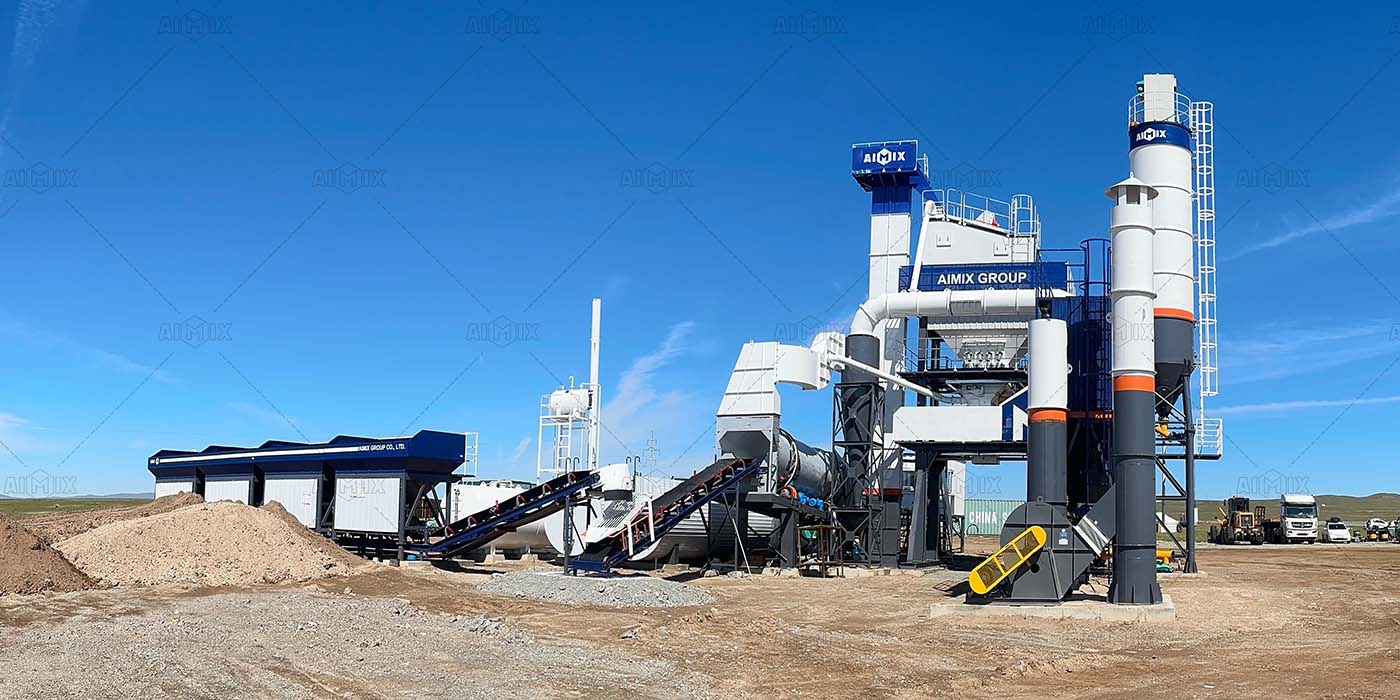
After selecting the plant type, capacity planning becomes the next logical step. Many buyers make mistakes here.
Instead of choosing the largest plant available, smart contractors analyze real production needs.
New road construction may require peak output for short periods. Resurfacing usually spreads work over longer timelines.
Therefore, the plant should handle peak demand without running inefficiently during low-load periods.
For many mixed projects, a medium-capacity plant between 80 TPH and 160 TPH works well.
Projects rarely stay static. Government budgets increase. Private contracts expand.
As a result, choosing a plant with modular expansion options adds long-term value.
This approach reduces future investment risk.
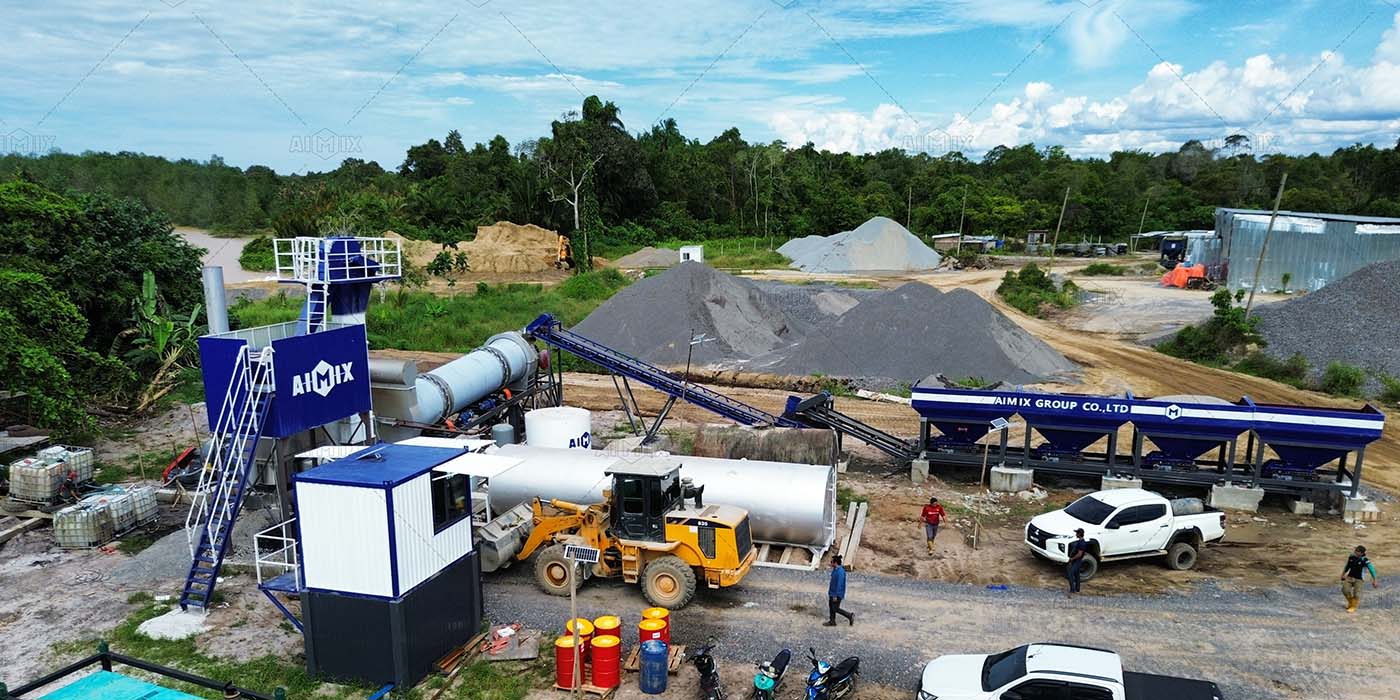
Recycled asphalt pavement plays a growing role in resurfacing projects. Environmental rules and material costs drive this trend.
Because of this, RAP capability has become a critical selection factor.
Cold RAP systems feed recycled material directly into the mixer. They suit low RAP ratios.
Hot RAP systems preheat recycled material. They support higher RAP percentages and better mix quality.
For combined projects, plants with flexible RAP systems provide a clear advantage.
RAP introduces variability. Moisture content and aging affect performance.
Therefore, the asphalt plant must offer accurate weighing and temperature control.
Without these features, resurfacing quality suffers.
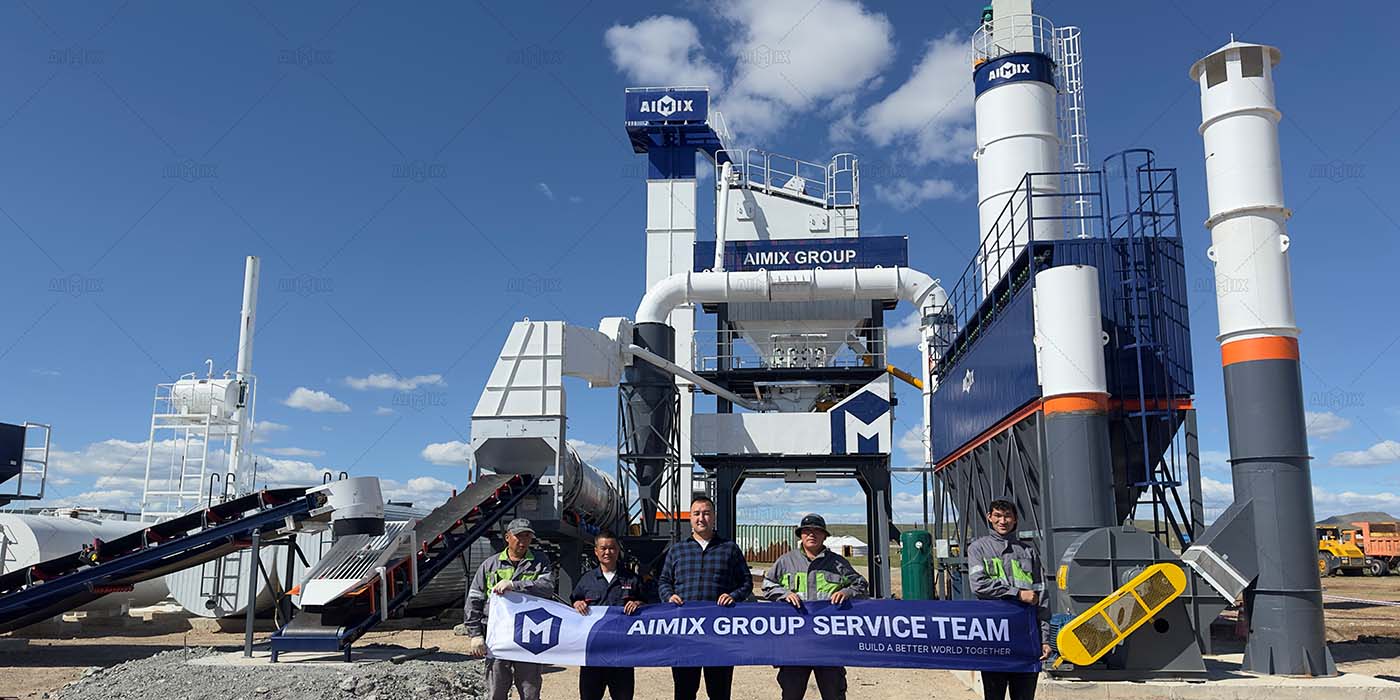
Modern road projects face strict environmental requirements. This reality affects asphalt plant selection directly.
Both urban resurfacing and new road projects must meet emission standards.
Resurfacing often takes place near residential areas. Dust and noise complaints can stop work.
Efficient baghouse filters and sound insulation reduce this risk.
Therefore, environmental performance protects project timelines.
Fuel prices fluctuate. Efficient burners and insulation reduce fuel consumption.
Lower operating costs improve bidding competitiveness for future projects.
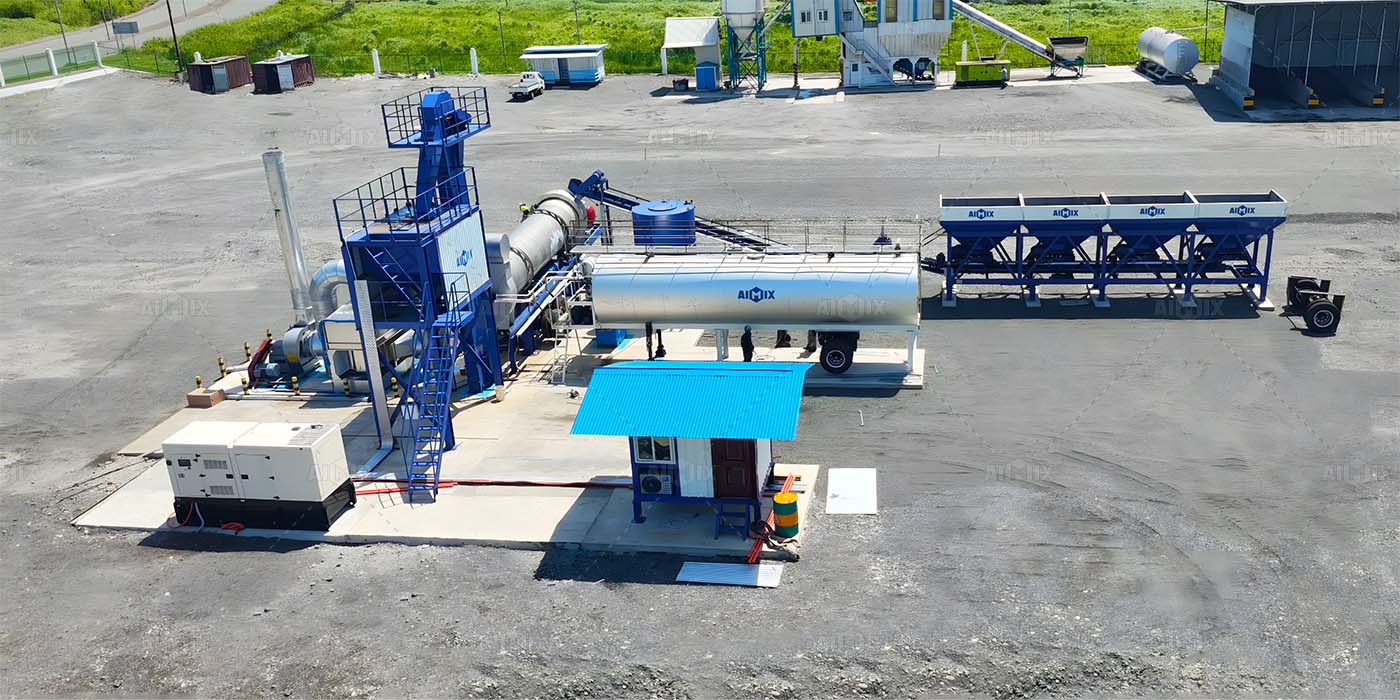
As projects grow more complex, manual control becomes risky.
Automation supports consistent quality and reduces operator error.
For combined projects, operators often switch recipes daily.
Modern control systems store multiple mix designs. They allow quick selection.
This feature saves time and reduces waste.
Government projects often require production records.
Reliable control systems provide production reports, temperature logs, and material usage data.
This transparency builds trust with project owners.
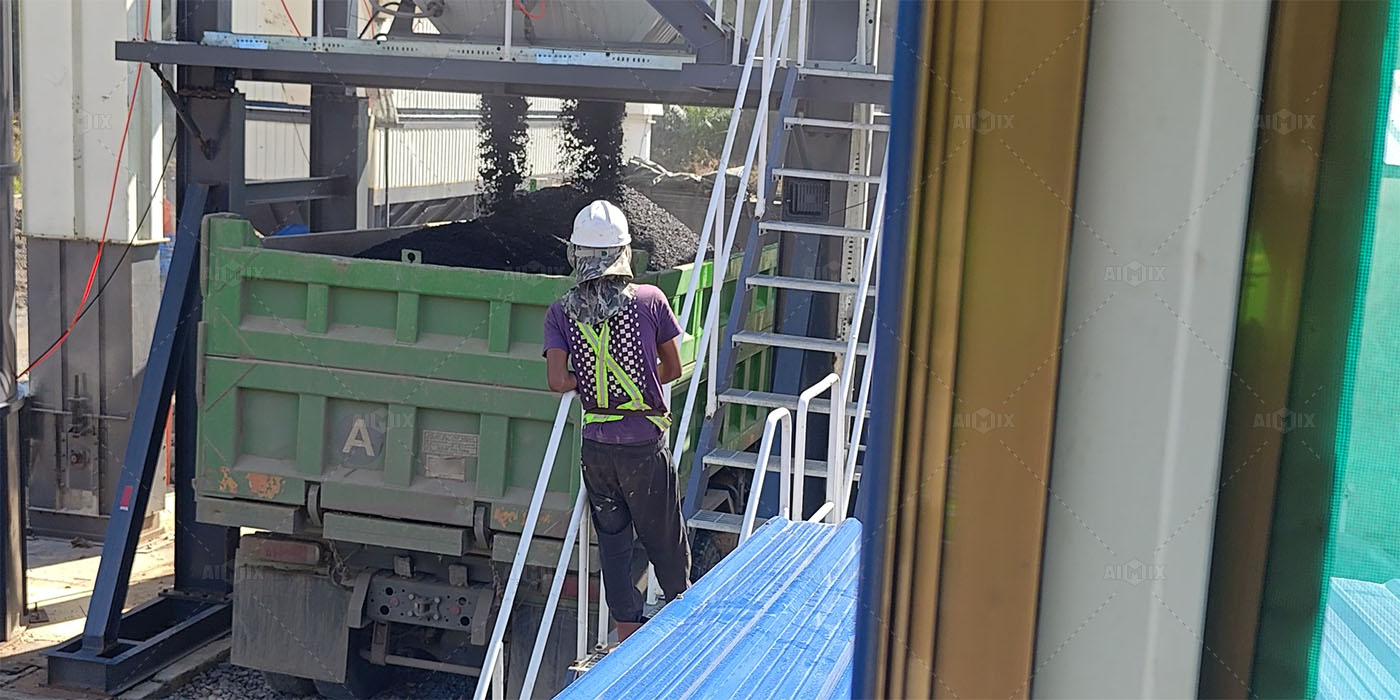
Another important decision involves plant mobility.
The right choice depends on project location and duration.
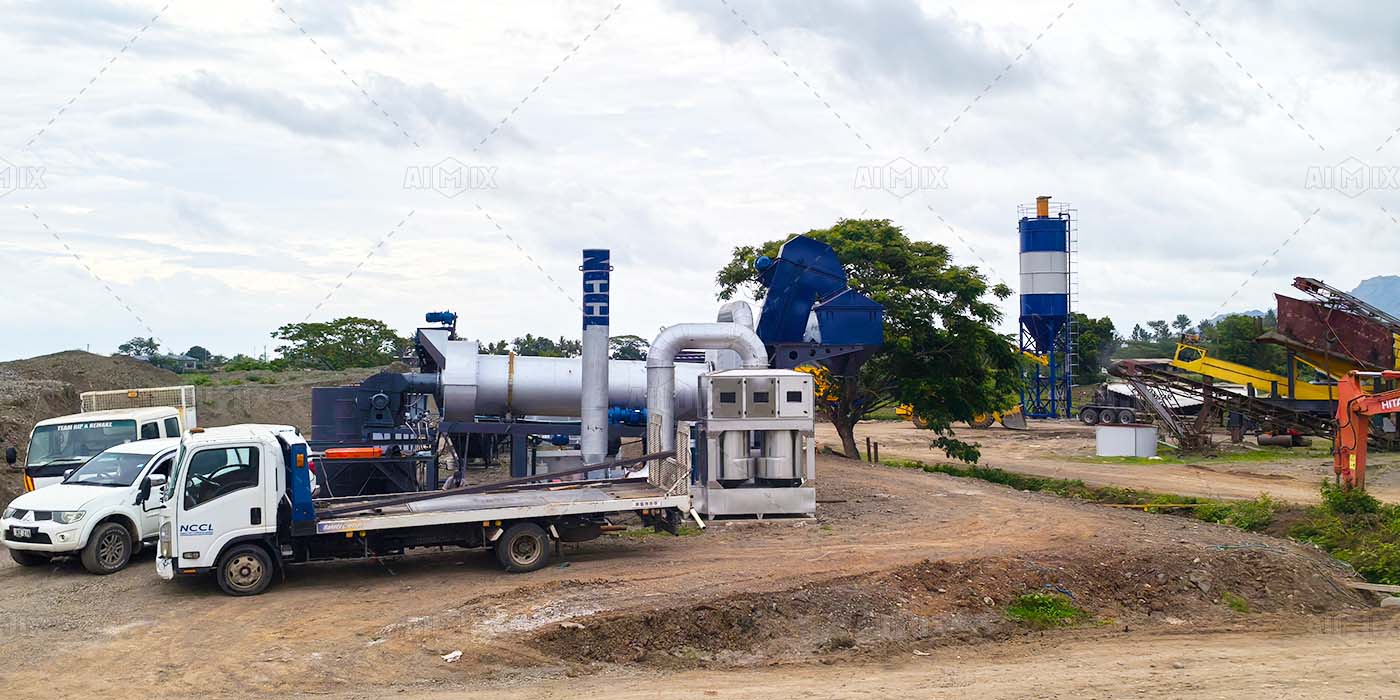
Mobile asphalt mixing plant for sale suit short-term resurfacing projects or remote areas.
They reduce transportation costs and setup time.
However, their capacity and configuration options remain limited.
Stationary plants support higher output and more customization.
They suit contractors managing long-term road networks.
For combined projects, stationary plants often provide better long-term returns.
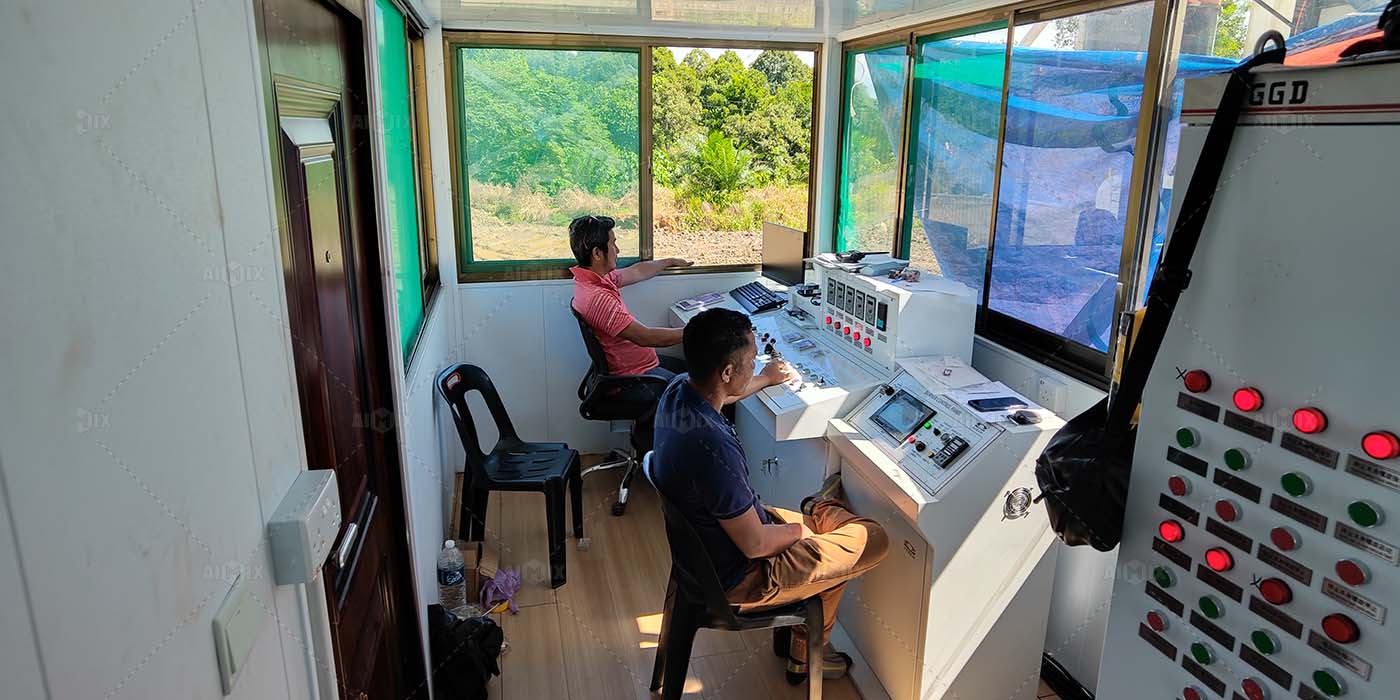
Even the best asphalt plant needs support.
Downtime costs money. Delays damage reputation.
Reliable suppliers offer fast spare parts delivery.
They also provide remote and on-site technical support.
This support ensures stable operation throughout the project lifecycle.
Well-trained operators improve efficiency and safety.
Proper commissioning ensures the plant reaches designed performance.
These services should factor into the purchasing decision.
Selecting an asphalt plant for combined new road and resurfacing projects requires more than comparing prices.
Contractors must consider flexibility, quality control, environmental performance, and long-term support.
Each decision influences project success and future competitiveness.
At MACROAD, we understand real-world road construction challenges. Our asphalt plants focus on flexibility, reliability, and practical performance.
We offer batch type and customized solutions that support new road construction and resurfacing work. Our designs emphasize accurate control, RAP integration, and energy efficiency.
More importantly, we support our clients beyond equipment delivery. From project planning to after-sales service, MACROAD works as a long-term partner.
If you are planning projects that combine new roads and resurfacing, selecting the right asphalt plant will define your success. Talk with MACROAD and explore solutions built for real projects, not just specifications.