São Paulo is the economic heart of Brazil. Around this megacity, hundreds of kilometers of regional roads connect industrial parks, logistics hubs, agricultural zones, and growing residential areas. These roads may not carry the same traffic volume as highways, but they still demand durability, smoothness, and reliable construction schedules. For many contractors and local authorities, one practical question often comes up: is a 80 TPH asphalt mixer plant the right choice for these regional road projects?
This article looks at the question from a contractor’s point of view and from the construction industry’s real needs. We will explore capacity matching, local conditions near São Paulo, cost control, operational flexibility, and long-term value. By the end, you should have a clear and realistic answer that helps you make a confident investment decision.
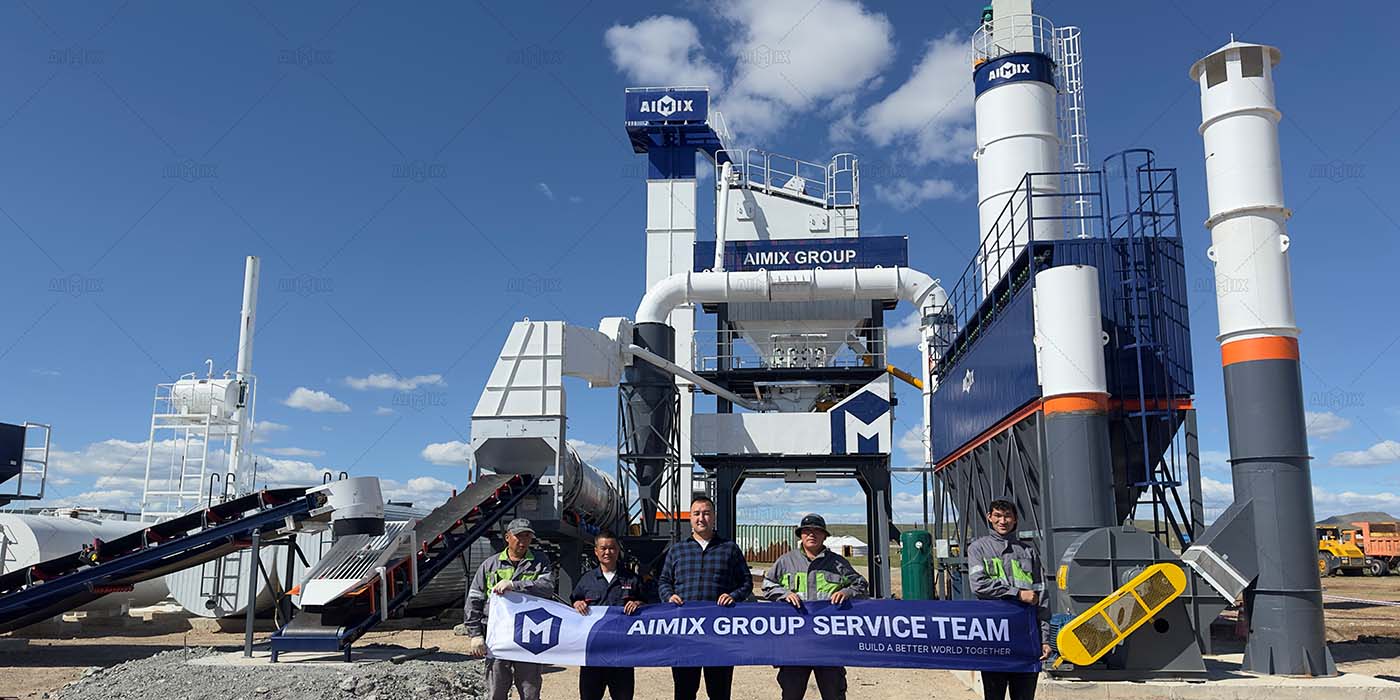
Before choosing any asphalt plant, it is important to understand the nature of the project itself. Regional roads around São Paulo have clear characteristics. They serve daily transport rather than long-distance freight. Traffic is steady, but usually not extreme.
In addition, construction schedules often face pressure. Rain seasons affect progress. Local governments want fast completion but also strict quality control. Budget limits are common. Therefore, equipment must balance output, reliability, and operating cost. When you search for a reliable asphalt plant that fits these real conditions, it helps to know the ground reality first.
Capacity numbers can sound abstract at first. However, they become meaningful once translated into daily output. An 80 TPH asphalt mixer plant can produce about 640 tons of asphalt mix in an eight-hour shift. If the site runs longer, daily output can increase further.
For regional roads, this production level often matches demand very well. Most projects do not require continuous massive output like expressways. Instead, they need stable supply over weeks or months.
As a result, an 80 TPH plant avoids two common problems. First, it prevents undercapacity that delays paving. Second, it avoids overcapacity that wastes fuel, labor, and capital.
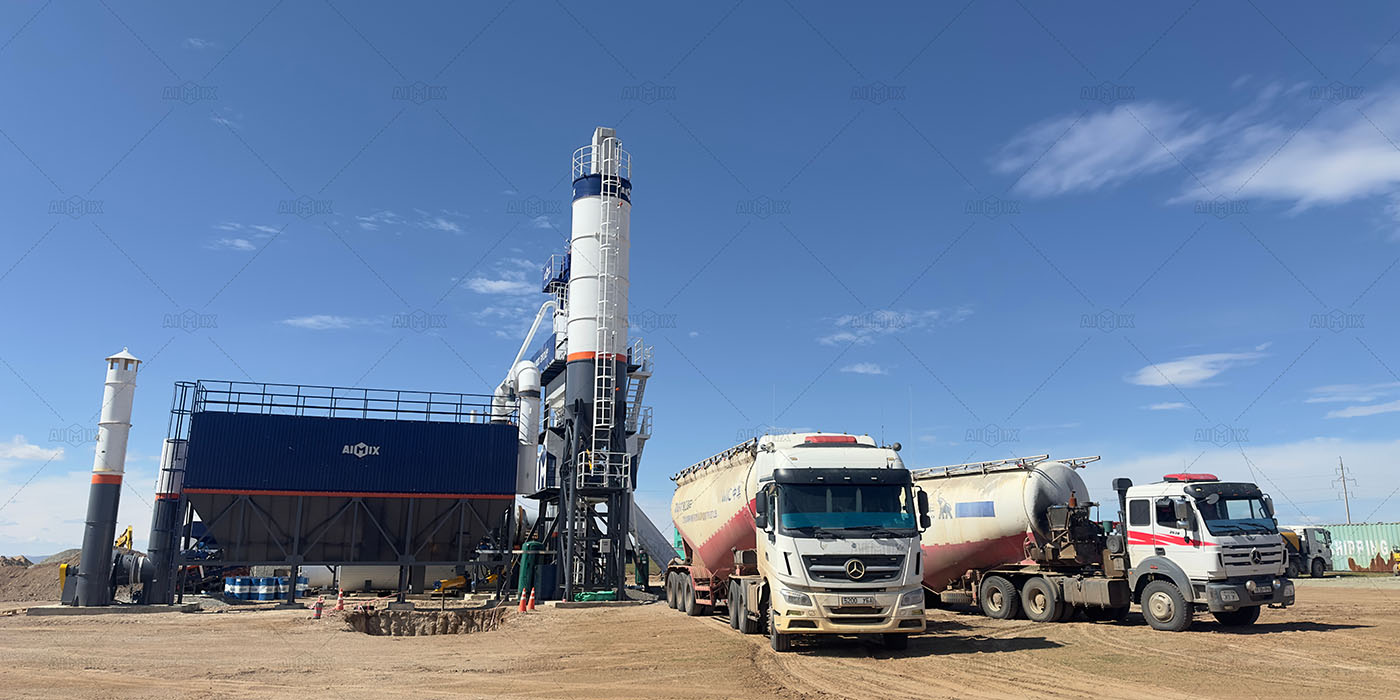
Capacity alone does not make a plant suitable. The real question is how capacity aligns with project rhythm. Regional road paving usually progresses section by section. The crew prepares the base, then lays asphalt in controlled lengths.
An 80 TPH asphalt mixer plant supports this workflow smoothly. It supplies enough mix without forcing the paving team to rush. At the same time, it keeps trucks cycling efficiently between plant and site.
Therefore, contractors gain better control over quality. Temperature loss is reduced. Segregation risks drop. Overall paving consistency improves. For many projects, a hot mix asphalt plant for sale with balanced capacity is the preferred choice.
Climate matters in asphalt production. Near São Paulo, weather can change quickly. Rainfall and humidity affect both production and paving windows.
An 80 TPH asphalt mixer plant usually comes with stable drying and mixing systems. These systems handle moisture in aggregates better. As a result, asphalt quality remains consistent even during less ideal conditions.
Moreover, medium-capacity plants often start up faster than very large plants. This flexibility helps contractors take advantage of short weather windows. In practice, that means fewer idle days and better schedule control.
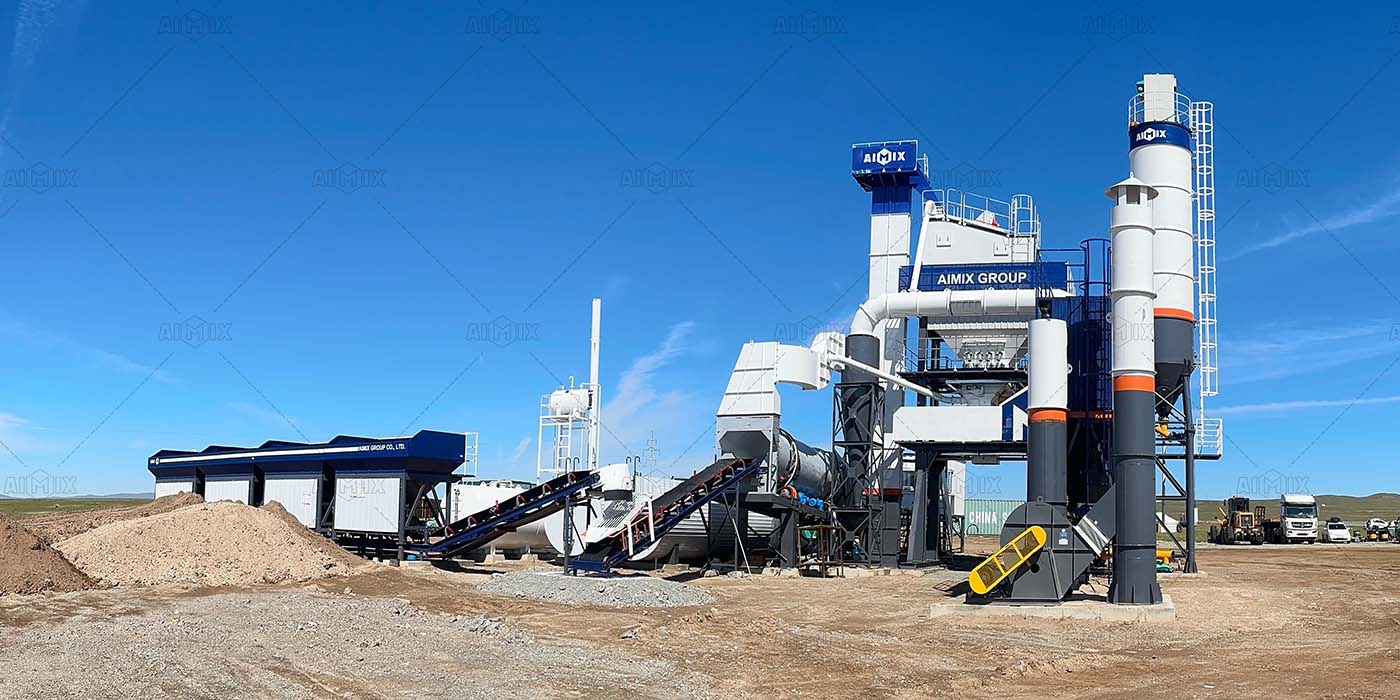
Operating cost is always a key concern. Fuel prices fluctuate. Electricity costs add pressure. Labor efficiency also matters.
Compared with larger plants, an 80 TPH asphalt mixer plant consumes less fuel per hour. At the same time, it still delivers strong output. This balance improves cost per ton, especially for regional projects with moderate volume.
In addition, maintenance costs tend to be lower. Components face less extreme load. Wear parts last longer. Downtime becomes easier to manage.
Consequently, contractors enjoy more predictable operating expenses. This predictability helps when bidding for public or municipal projects.
Another critical factor is distance between plant and paving site. Regional roads near São Paulo often stretch across suburban and semi-rural areas. Transport time can vary due to traffic or road conditions.
An 80 TPH asphalt mixer plant fits well into this logistics environment. It does not require a very large fleet of trucks. However, it still supports steady dispatch.
As a result, asphalt arrives on site within the right temperature range. Paving quality improves. Rework risks decrease.
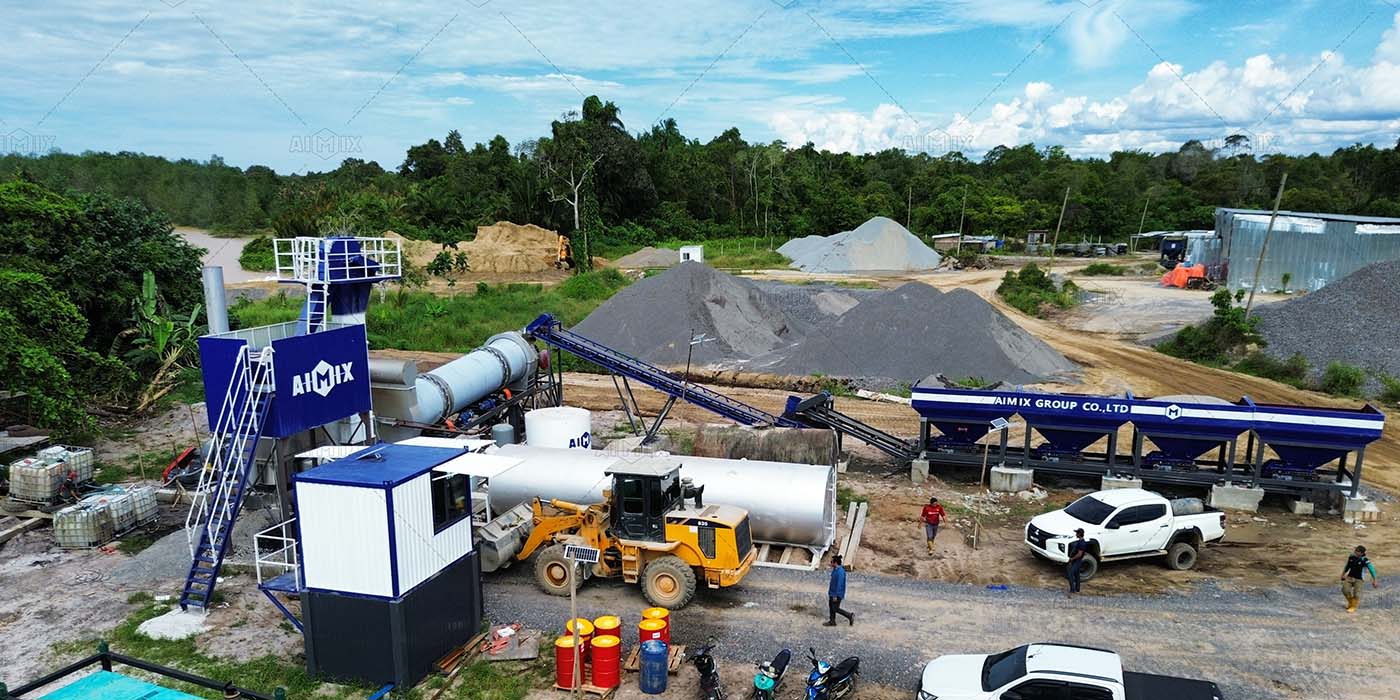
Regional road projects often involve more than one asphalt mix. Base layers, binder courses, and wearing courses may all differ.
Modern 80 TPH asphalt mixer plants support flexible mix design adjustment. Operators can change formulas with reasonable speed. Control systems allow accurate proportioning.
This flexibility is important. It helps contractors meet local specifications. It also supports future projects with different technical requirements.
Environmental compliance is not optional. Around São Paulo, regulations focus on dust control, noise reduction, and emissions.
An 80 TPH asphalt mixer plant is easier to equip with effective dust collectors and insulation. Compared with oversized plants, it produces less overall noise and exhaust.
Therefore, it becomes easier to obtain permits. Community acceptance also improves. These factors reduce project risk beyond pure construction issues.

From an investment perspective, an asphalt plant must earn its keep. An 80 TPH asphalt mixer plant usually requires lower upfront investment than large-scale plants.
This lower entry cost reduces financial pressure. At the same time, the plant remains versatile. It can serve municipal roads, industrial access roads, and maintenance projects.
Over time, utilization rate stays higher. Idle capacity stays lower. As a result, return on investment improves.
It is helpful to compare alternatives. Smaller plants may struggle to meet tight schedules. They may also increase unit cost due to low efficiency.
On the other hand, very large plants suit highways and expressways. For regional roads, they often run below optimal load. This situation increases fuel waste and maintenance stress.
In contrast, an 80 TPH asphalt mixer plant sits in the middle. It offers balance. That balance often matches real demand near São Paulo.
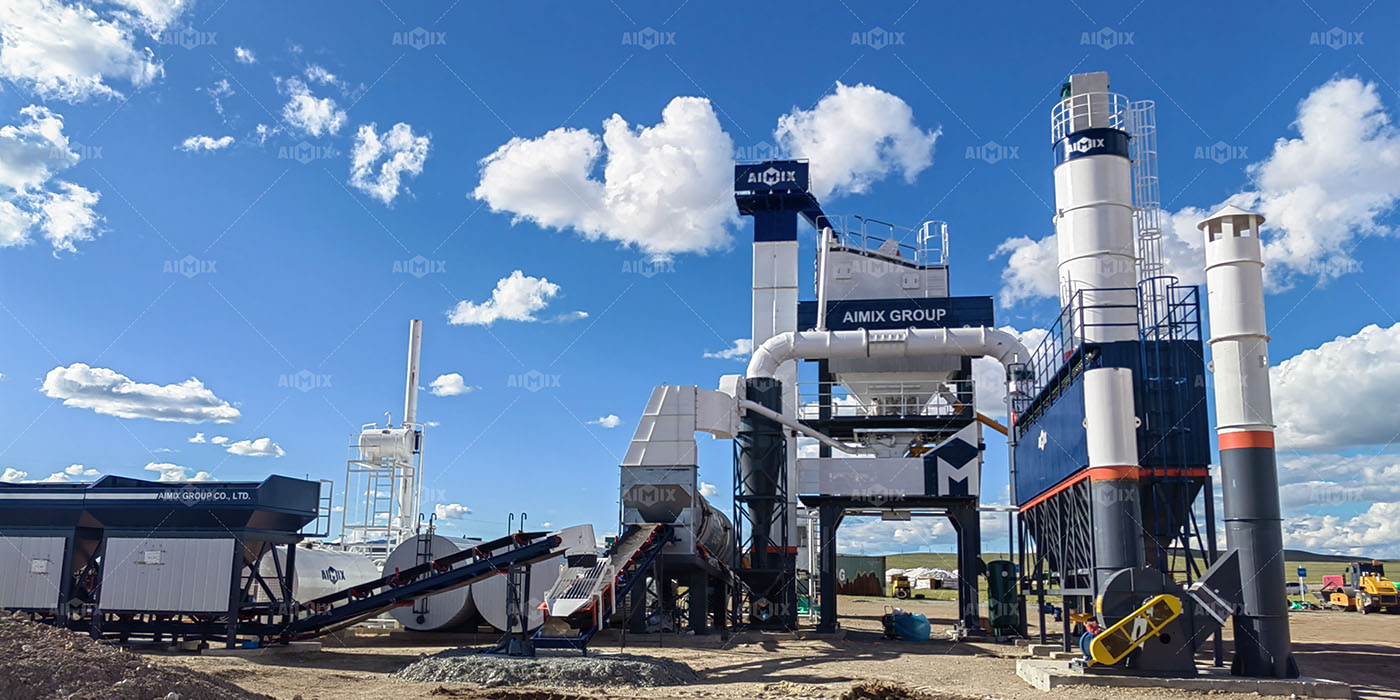
Space and setup time also matter. Regional projects may use temporary sites or semi-permanent locations.
Many 80 TPH asphalt mixer plants feature modular design. Installation is faster. Relocation is possible if planned properly.
This advantage supports contractors who work across multiple municipalities. Equipment follows projects instead of staying idle.
Choosing the right capacity is only part of the decision. Manufacturer experience matters just as much.
A reliable supplier provides stable design, quality components, and responsive service. Training and spare parts support also play a major role in long-term success.
For contractors working near São Paulo, local conditions and standards require practical experience, not just brochures. This is where a reputable asphalt mixing plant supplier can make a real difference.
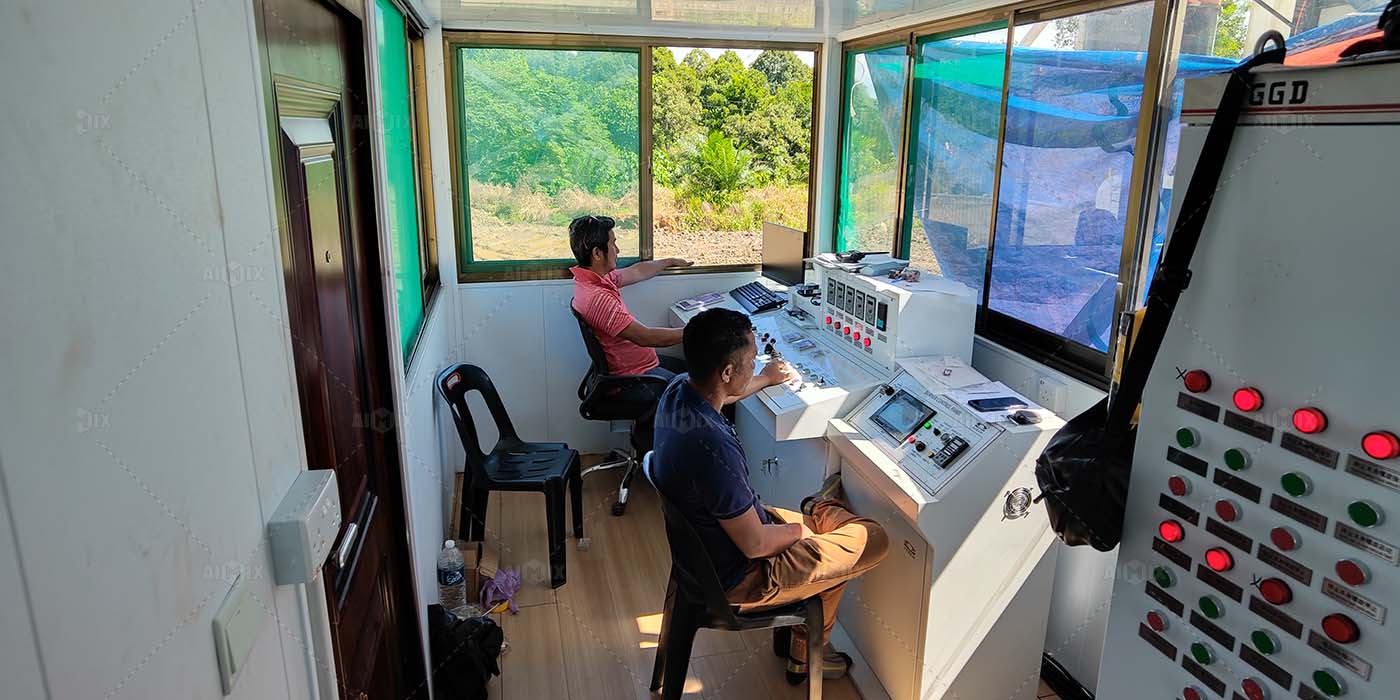
When all factors come together, a clear picture emerges. Capacity fits demand. Costs stay under control. Quality remains stable. Flexibility supports different projects.
For regional roads near São Paulo, an 80 TPH asphalt mixer plant often proves to be a smart and balanced solution.
So, is a 80 TPH asphalt mixer plant suitable for regional roads near São Paulo? In most real-world cases, the answer is yes. It aligns with project scale, budget limits, and operational realities.
If you are planning new road construction or maintenance projects in this region, now is the right time to evaluate your equipment strategy. Choosing the right asphalt plant can improve quality, control costs, and strengthen your competitiveness.
As an experienced asphalt plant manufacturer and supplier, we focus on practical solutions rather than oversized promises. We provide only brand-new asphalt mixer plants, designed for real construction environments. If you want to discuss your project, production targets, or site conditions, feel free to contact us. Together, we can find the most suitable asphalt plant solution for your roads near São Paulo.