Many contractors in Kazakhstan are planning national highway upgrades and extensions. When the project scale grows, so does the need for a high-capacity asphalt plant. I often receive questions such as: “How much does a 160–200 t/h asphalt plant cost?” and “What factors increase or decrease the investment?” In this post, I share practical insights to help you understand the real cost, the key variables behind the price, and how to choose the right configuration for large highway projects in Kazakhstan. You can also explore detailed options on our asphalt production plant page.
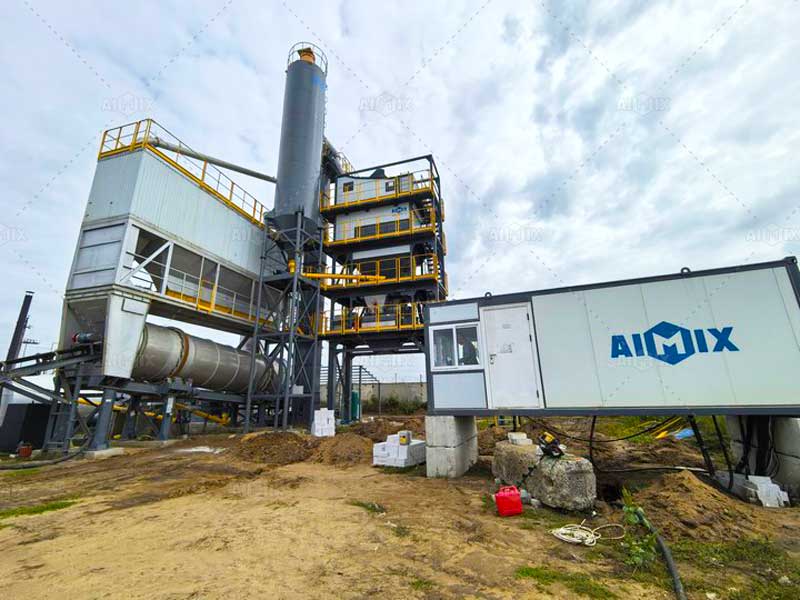
Before we look at the price, I want you to understand why this capacity range fits most national highway projects. Kazakhstan has long stretches of highway, large construction sections, and tight seasonal schedules. Because of this, contractors need equipment that guarantees both high output and stable quality.
In addition, Kazakhstan’s climate shifts between very hot summers and cold winters. Therefore, asphalt production must stay consistent even under temperature changes. Plants in the 160–200 t/h class deliver this stability. They reduce downtime and help teams finish long road sections quickly. With this background, the next section explains how these project requirements influence the final investment.
Now that we know why contractors choose this capacity, we can talk about the actual cost. The typical price for a 160–200 t/h asphalt batching plant ranges from USD 320,000 to USD 650,000. The range looks wide, so I will break down the reasons in the next section.
For a more detailed breakdown of various models and configurations, you can view our asphalt mixing plant price guide. These figures will help you refine your budget and compare model specifications before you make a decision.
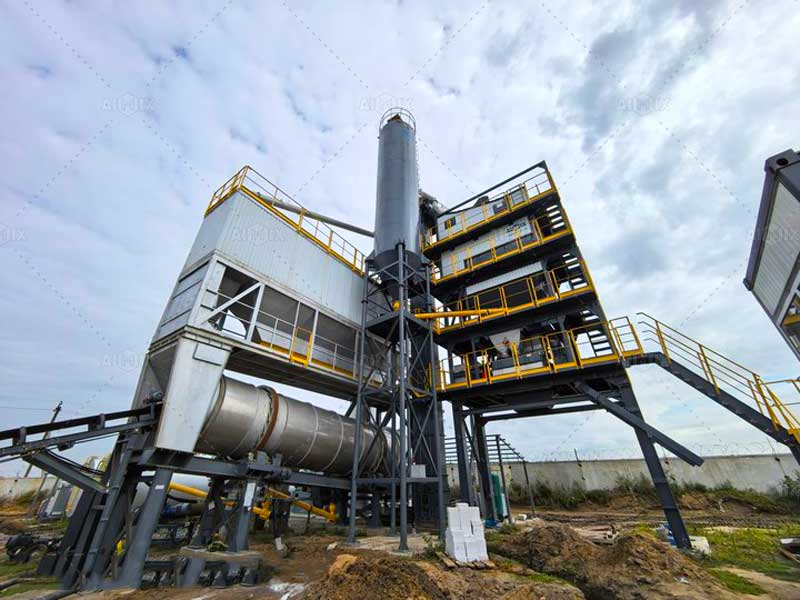
Because many customers want a clear answer, I explain these factors one by one. This way, you can compare your project needs with real cost drivers and avoid overpaying or underestimating the investment.
The first major factor is the technology level. National highway projects usually require stable asphalt quality, accurate proportions, and strict temperature control. Therefore, a more advanced PLC control system, precise weighing sensors, automatic lubrication, and energy-saving burner technology can increase the price. However, they reduce long-term operating costs. In Kazakhstan, where fuel and labor become key cost drivers, technology upgrades often pay for themselves within one to two construction seasons.
The second factor is equipment configuration. For example, a larger drying drum, higher-grade baghouse filters, and extra bitumen or additive tanks will increase the total cost. But they also help you meet Kazakhstan’s national highway standards, which demand consistent mix temperature and strict environmental control. If your project includes polymer-modified asphalt or SMA pavement, you will also need a fiber additive system. Each addition increases the investment, but each addition solves a specific construction need.
Kazakhstan’s climate varies widely, so fuel choice becomes a practical decision. Natural gas, diesel, or coal burners each impact operating cost. Gas burners cost more upfront but save fuel. Diesel systems are flexible but increase long-term consumption. Coal burners lower fuel cost but require better dust control. As a result, fuel type affects both price and running cost. I always suggest evaluating local fuel availability before choosing the burner.
The fourth factor is logistics and service. Kazakhstan is large, and transport distance varies from region to region. Transport cost, crane rental, and installation time all influence the total project budget. More importantly, after-sales support ensures the plant reaches full productivity. When you choose a supplier with engineering support and local service, you reduce downtime. Although service packages increase upfront investment slightly, the long-term value is much higher.
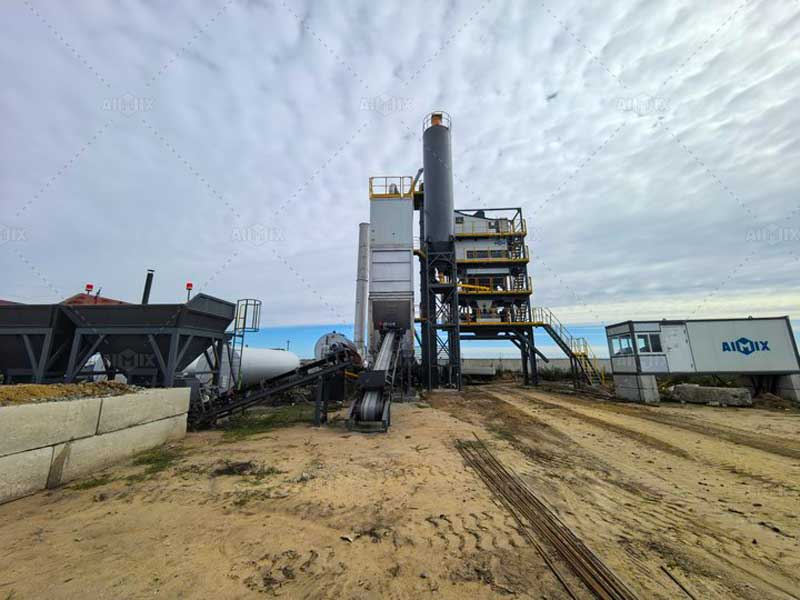
Now that you understand the pricing factors, the next step is choosing the right configuration. Many contractors worry about choosing “too much” or “too little.” So I offer a simple method below. Each step helps you match real project needs with the correct equipment setup.
If your team must pave long stretches each week, a 200 t/h plant ensures stable supply. If your work zones are shorter but frequent, a 160 t/h model is enough. The production target always determines the plant model.
If your project includes national highway base layers only, a standard configuration works. But if it includes wearing courses like SMA or polymer-modified asphalt, you need extra equipment. This includes a precise fiber system, an additive system, and heated bitumen tanks. These options increase the cost but ensure compliance with Kazakhstan’s technical standards.
Kazakhstan’s climate makes fuel choice critical. Cold regions require stronger insulation, while dusty areas require more efficient baghouse filters. When you match the plant to the working environment, you protect your investment and maintain production stability.
Service can save your project many days of downtime. I always remind customers that a high-capacity plant runs almost continuously during the paving season. Without strong local support, any breakdown becomes costly. So when choosing an asphalt concrete plant cost is an essential part of your planning and should include maintenance, warranty, and spares support.
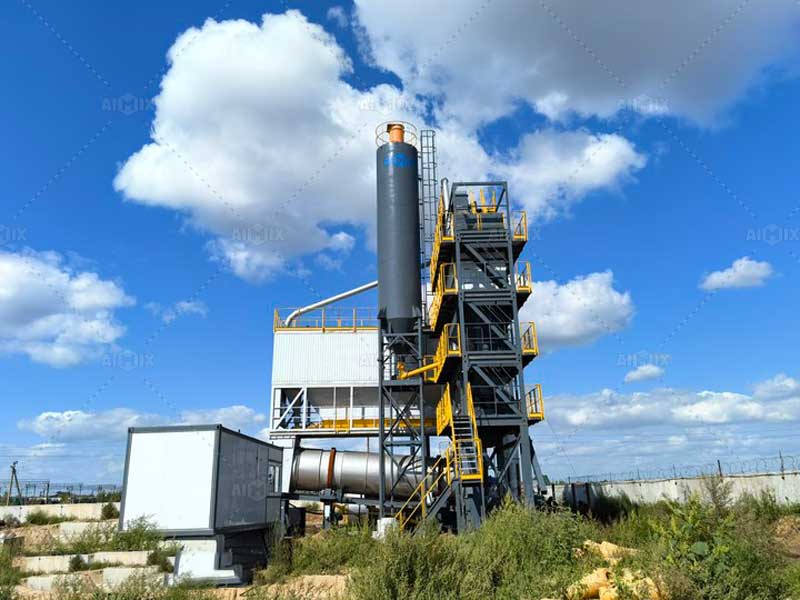
At this point, you have a full picture. The plant price is only one part of the investment. Operation cost, fuel choice, spare parts, and construction speed all affect your return. In national highway projects, stability is not optional. It determines whether your team finishes on schedule. Therefore, sometimes a slightly higher investment in equipment quality saves you more money over the entire project.
Because the upfront cost ties directly to long-term success, I always encourage customers to build their budget plans two steps ahead. Your plant doesn’t just produce asphalt; it controls your schedule and quality reputation.
I design each asphalt plant with actual user scenarios in mind. For Kazakhstan, this means stable performance in high heat, low temperatures, and long operating hours. My team focuses on accurate weighing, energy-saving burners, strong insulation, and intelligent control systems. Together, these features help your team deliver national highway quality and meet tight project deadlines.
Besides equipment quality, I also provide layout design, installation guidance, operator training, and after-sales support. When your project needs rapid asphalt supply, I stand with you on site to make sure the plant reaches full capacity as fast as possible.
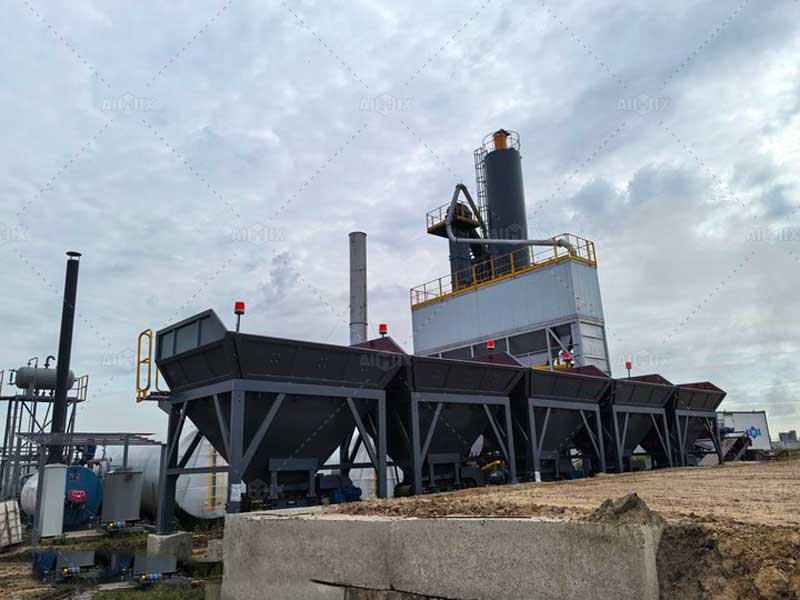
Your project deserves the right solution. If you need clear pricing, a full technical proposal, or a layout plan based on your site, I can help. Tell me your project scale, mix types, fuel preference, and construction schedule. I will recommend the best configuration and provide accurate cost estimates. With the right plant, your national highway project in Kazakhstan will move faster, run smoother, and deliver strong long-term performance.