Kenya's mining sector represents a critical component of the nation's economic framework, with stone crushing operations serving as the fundamental processing link between raw mineral extraction and marketable construction materials. The strategic importance of stone crusher plants extends beyond mere size reduction, encompassing value addition, resource optimization, and economic diversification within the mining value chain. These facilities transform quarried rock into precisely graded aggregates essential for infrastructure development, building construction, and industrial applications. The operational efficiency of these plants directly influences project viability, material quality, and overall profitability in Kenya's competitive mining landscape. This analysis examines the technical, economic, and operational dimensions of stone crusher plants within the context of Kenya's evolving mining industry, highlighting their indispensable role in resource utilization and infrastructure development.
Stone crusher plants in Kenya employ a systematic approach to material processing, typically organized into primary, secondary, and tertiary crushing stages. Primary crushing units, often utilizing jaw crushers or gyratory crushers, handle the initial size reduction of run-of-quarry material, processing rocks up to 1.5 meters in diameter down to 150-250mm. Secondary crushing stages employ cone crushers or impact crushers to further reduce material to 20-50mm, while tertiary crushing units produce the final aggregate specifications required for specific applications, ranging from 5mm to 20mm. Screening equipment, including vibrating screens and trommels, operates in conjunction with crushers to separate material into precise size fractions, ensuring product consistency and quality control. The integration of these components into a cohesive processing circuit enables efficient material flow and optimized production output.
The operational parameters of these plants are governed by several key factors, including material characteristics, production requirements, and quality specifications. Material hardness, abrasiveness, and moisture content determine the selection of crushing technology and wear part materials, with harder rocks requiring specialized crusher liners and higher energy inputs. Production capacity requirements, ranging from 50 tons per hour for small-scale operations to over 500 tons per hour for large-scale mining projects, dictate the size and configuration of the crushing circuit. Product quality specifications, including particle shape, gradation, and cleanliness, influence the selection of crusher types and screen configurations. The interplay between these parameters creates a complex operational environment where plant design must balance production efficiency, product quality, and operational costs.
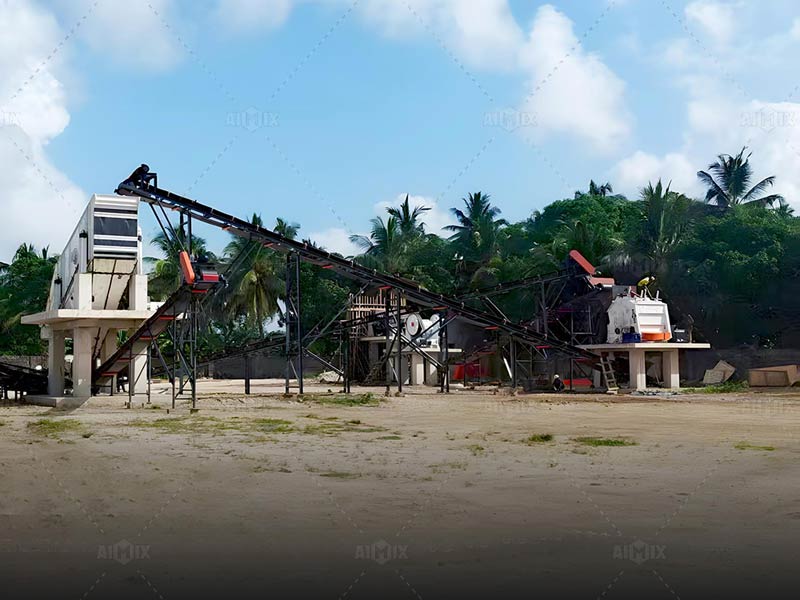
Stone crusher plants serve as critical value-addition nodes within Kenya's mining economy, transforming low-value quarry rock into high-value construction materials. The economic impact of these facilities extends throughout the construction value chain, influencing material costs, project timelines, and infrastructure development. The production of crushed stone aggregates supports the construction industry's demand for high-quality materials, with applications ranging from concrete production to road base construction. The value-added process increases the economic worth of extracted materials by 200-400%, depending on the final product specifications and market conditions. This value creation contributes significantly to the overall economic viability of mining operations, making stone crushing an essential component of the mining business model.
The economic significance of stone crusher plants also manifests through their role in import substitution and local content development. By producing construction materials domestically, these crushing plants reduce Kenya's reliance on imported aggregates, conserving foreign exchange and supporting local economic development. The operation of crushing plants creates direct employment opportunities in plant operation, maintenance, and material handling, while indirect employment benefits accrue through associated transportation, logistics, and service industries. The availability of locally produced aggregates supports infrastructure development by providing a reliable, cost-effective source of construction materials, reducing project costs and accelerating development timelines. These economic linkages underscore the strategic importance of stone crushing operations within Kenya's broader economic development framework.
The operation of stone crusher plants in Kenya is subject to a comprehensive regulatory framework designed to ensure environmental protection and operational safety. The Environmental Management and Co-ordination Act (EMCA) establishes the legal foundation for environmental impact assessment, licensing, and compliance monitoring. Crusher plant operators must obtain an Environmental Impact Assessment License from the National Environment Management Authority (NEMA) before commencing operations, demonstrating compliance with air quality standards, noise control requirements, and water management protocols. The Mining Act of 2016 further regulates mining operations, including stone crushing activities, through licensing requirements, operational standards, and safety provisions. Compliance with these regulatory requirements represents a significant operational consideration for crusher plant operators, influencing plant design, operational practices, and ongoing compliance costs.
Environmental considerations are integral to the sustainable operation of stone crusher plants, with dust control, noise management, and water conservation representing primary environmental challenges. Dust suppression systems, including water sprays, misting cannons, and dust collection units, are essential for controlling particulate emissions during crushing, screening, and material handling operations. Noise control measures, such as acoustic enclosures, vibration isolation, and operational scheduling, mitigate the impact of crushing operations on surrounding communities. Water management practices, including water recycling systems and runoff control, minimize water consumption and prevent contamination of local water resources. The implementation of these environmental controls requires significant capital investment and ongoing operational expenditure, but is essential for regulatory compliance and sustainable operation. The integration of environmental considerations into plant design and operation reflects the industry's increasing emphasis on sustainable development and responsible resource management.
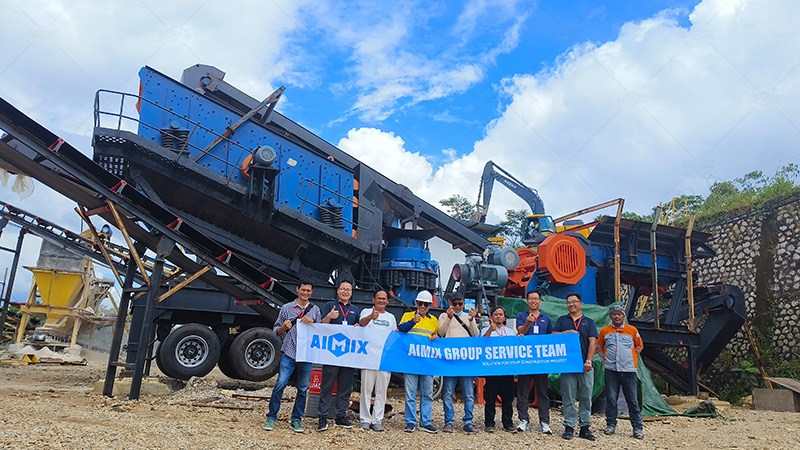
The technological evolution of stone crusher plants has significantly enhanced operational efficiency, product quality, and environmental performance in Kenya's mining sector. Modern crushing plants incorporate advanced automation systems that optimize crusher settings, screen configurations, and material flow in real-time, improving production efficiency and product consistency. The integration of programmable logic controllers (PLCs) and supervisory control and data acquisition (SCADA) systems enables remote monitoring and control of crushing operations, reducing labor requirements and improving operational safety. Advanced wear part materials, including composite alloys and ceramic liners, extend component life and reduce maintenance costs, particularly when processing abrasive materials. These technological advancements have transformed stone crushing from a labor-intensive process to a highly automated, efficient operation capable of meeting the demanding requirements of modern construction projects.
Operational efficiency improvements extend beyond technological advancements to encompass process optimization and maintenance practices. The implementation of preventive maintenance programs, utilizing condition monitoring and predictive maintenance technologies, reduces unplanned downtime and extends equipment service life. Process optimization techniques, including material tracking systems and production scheduling software, improve material flow and utilization, minimizing bottlenecks and maximizing production output. Energy efficiency has become a key focus area, with modern crusher designs incorporating variable frequency drives, high-efficiency motors, and optimized crushing chambers that reduce energy consumption per ton of processed material. These efficiency improvements contribute to lower operational costs, enhanced competitiveness, and improved profitability for mining operations, while also reducing the environmental footprint of stone crushing activities. The continuous pursuit of operational efficiency represents a core objective for rock crusher plant operators in Kenya's competitive mining environment.
The strategic importance of stone crusher plants within Kenya's mining sector is intrinsically linked to the dynamics of the construction materials market and the nation's infrastructure development priorities. The demand for crushed stone aggregates is driven by multiple factors, including government infrastructure investment, private sector construction activity, and population growth. Major infrastructure projects, such as the Standard Gauge Railway, road construction initiatives, and urban development projects, create substantial demand for high-quality aggregates, supporting the economic viability of crushing operations. The geographic distribution of crushing plants reflects market demand patterns, with concentrations in areas of high construction activity and proximity to major infrastructure projects. Understanding these market dynamics is essential for strategic planning and investment decisions in the stone crushing sector.
The strategic role of crusher plants extends to their function as enablers of broader economic development. The availability of locally produced construction materials reduces project costs and accelerates development timelines, supporting Kenya's economic growth objectives. The operation of crushing plants creates economic linkages with other sectors, including transportation, manufacturing, and services, contributing to economic diversification and local economic development. The strategic location of crushing plants, considering factors such as proximity to raw material sources, transportation infrastructure, and market demand, influences their economic viability and operational efficiency. The interplay between market dynamics, infrastructure development, and crusher plant operations creates a complex economic ecosystem where strategic decisions have far-reaching implications for Kenya's development trajectory. The continued growth and modernization of the stone crushing sector will play a vital role in supporting Kenya's infrastructure development and economic growth objectives.
The future development of stone crusher plants in Kenya will be shaped by technological innovation, regulatory evolution, and market trends. The adoption of digital technologies, including artificial intelligence, machine learning, and the Internet of Things (IoT), will further enhance operational efficiency, product quality, and environmental performance. The integration of renewable energy sources, such as solar power, into crushing plant operations will reduce energy costs and environmental impact, supporting the transition to more sustainable mining practices. Regulatory developments, including stricter environmental standards and increased emphasis on community engagement, will influence plant design and operational practices. Market trends, such as the growing demand for specialized aggregates and the increasing importance of sustainable construction practices, will drive innovation and investment in the stone crushing sector. These developments will shape the future trajectory of stone crusher plants in Kenya, enhancing their role as critical enablers of infrastructure development and economic growth.
The role of stone crusher plants in Kenya's mining operations extends far beyond simple material processing, encompassing economic value addition, infrastructure support, and technological innovation. These facilities serve as essential links in the construction materials supply chain, transforming raw mineral resources into valuable products that support Kenya's development objectives. The continued evolution of crushing technology, operational practices, and regulatory frameworks will enhance the efficiency, sustainability, and economic contribution of stone crushing operations. The strategic importance of these plants within Kenya's mining sector underscores their vital role in supporting infrastructure development, economic growth, and sustainable development. As Kenya continues its development trajectory, stone crusher plants will remain indispensable components of the nation's mining and construction ecosystem, contributing to economic diversification, job creation, and infrastructure development.