Across the world, roads are being rebuilt, cities are expanding, and infrastructure budgets are under renewed pressure. Behind all these projects, asphalt plants play a quiet but critical role. Today, global demand for asphalt plants is not just growing. It is also changing in structure, technology, and customer expectations.
For contractors, investors, and project owners, understanding these trends is no longer optional. It directly affects equipment selection, project profitability, and long-term competitiveness. In this article, we look at the real drivers behind global asphalt plant demand, from mature markets to emerging regions, and explain what these changes mean for buyers in the construction industry.
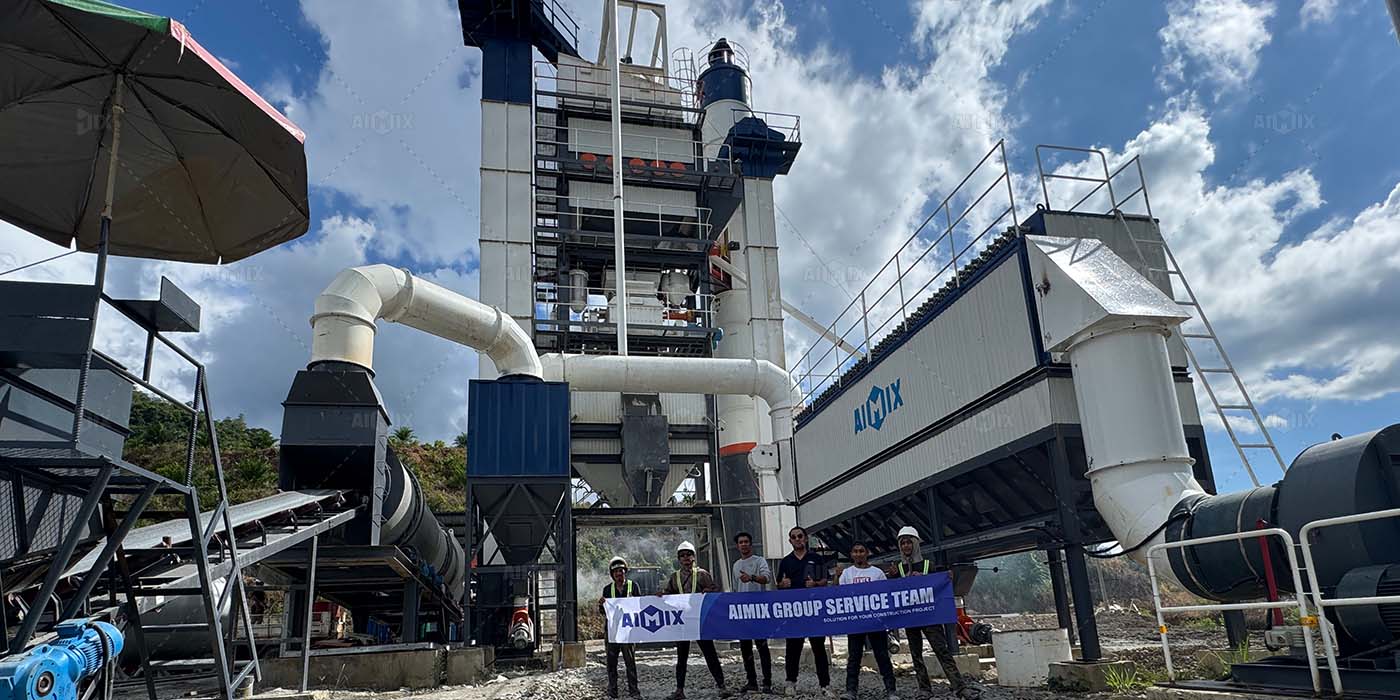
To understand the current market, it helps to start with the most fundamental factor. Governments still invest heavily in roads, highways, and public infrastructure.
In many regions, existing road networks are aging fast. Maintenance and rehabilitation now consume a large share of public budgets. At the same time, new expressways, logistics corridors, and urban roads keep expanding. As a result, tarmac asphalt plants remain a long-term necessity rather than a short-term cycle.
However, the nature of this demand has evolved. Instead of only large, centralized projects, many countries now split budgets into smaller phases. This change directly affects the type and capacity of asphalt plants that contractors prefer.
Although global demand grows overall, it does not grow evenly. Each region shows its own priorities.
In North America and Western Europe, demand focuses on plant upgrades, environmental compliance, and recycling capability. In Southeast Asia, Africa, and Latin America, new road construction still drives fresh plant installations. Meanwhile, in the Middle East and Central Asia, governments often combine both trends, balancing new highways with rehabilitation projects.
Because of these differences, asphalt plant suppliers now face a more fragmented but also more opportunity-rich global market.
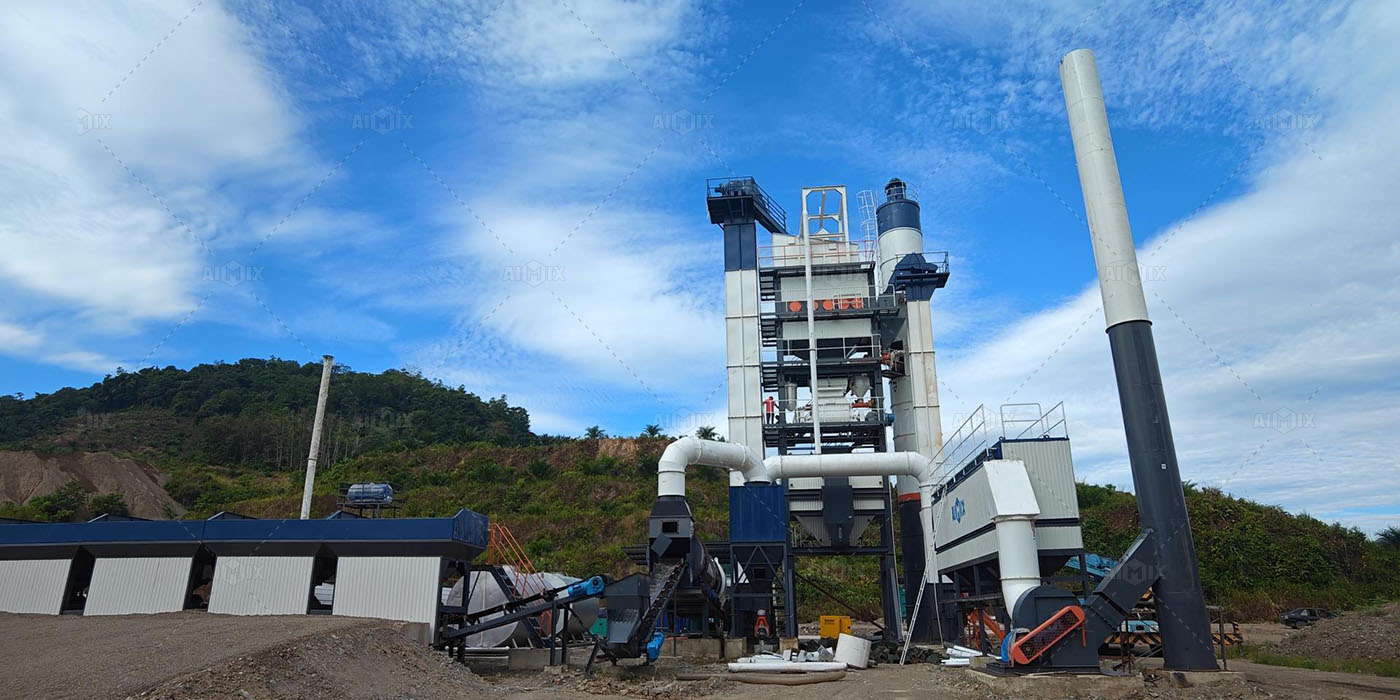
After understanding where demand comes from, it is important to see how buyer preferences have shifted.
In the past, many buyers focused almost entirely on maximum output. Bigger plants seemed safer. Higher tonnage meant higher confidence. Today, that logic no longer applies in every case.
Contractors are now asking a different first question: “Can this plant adapt to multiple projects, changing mix designs, and tight schedules?” At the same time, mobile asphalt mixing plant options rise in interest, especially for contractors who move often between sites.
Globally, demand has shifted toward asphalt plants in the 80–160 TPH range. These plants offer a balance between productivity and mobility.
They suit municipal roads, regional highways, and private development projects. They also reduce initial investment risk. For many contractors, this range allows faster payback without sacrificing performance.
As a result, manufacturers now design more models that emphasize modular structures, fast installation, and easier relocation.
Another clear trend is the growing interest in plants that install quickly and move easily. Projects increasingly spread across multiple locations. Contractors often move from one site to another within a year. A plant that takes months to dismantle no longer fits this reality.
Because of this, buyers look for plants that install quickly, require less civil work, and move without complex logistics. This demand has pushed manufacturers to rethink plant layouts and transport dimensions.

While flexibility shapes how plants are built, environmental pressure shapes how plants operate.
Across many countries, emission standards continue to tighten. Dust, noise, fuel consumption, and carbon output now affect approval processes. In some regions, they even decide whether a project can start.
This reality has transformed asphalt plant demand in a fundamental way.
Buyers no longer view environmental features as optional add-ons. Instead, they treat them as core requirements.
Efficient burners, advanced dust collection systems, and optimized airflow designs help plants meet strict standards. More importantly, they reduce long-term operating risk.
For contractors bidding on public projects, cleaner plants often improve qualification scores. This advantage directly influences purchasing decisions.
At the same time, the use of reclaimed asphalt pavement, or RAP, continues to grow.
High RAP ratios reduce material costs and support sustainability goals. Many governments actively encourage or even require RAP usage.
As a result, demand rises for asphalt plants that integrate RAP systems smoothly. Buyers now expect stable output, consistent quality, and reliable temperature control, even with recycled materials.
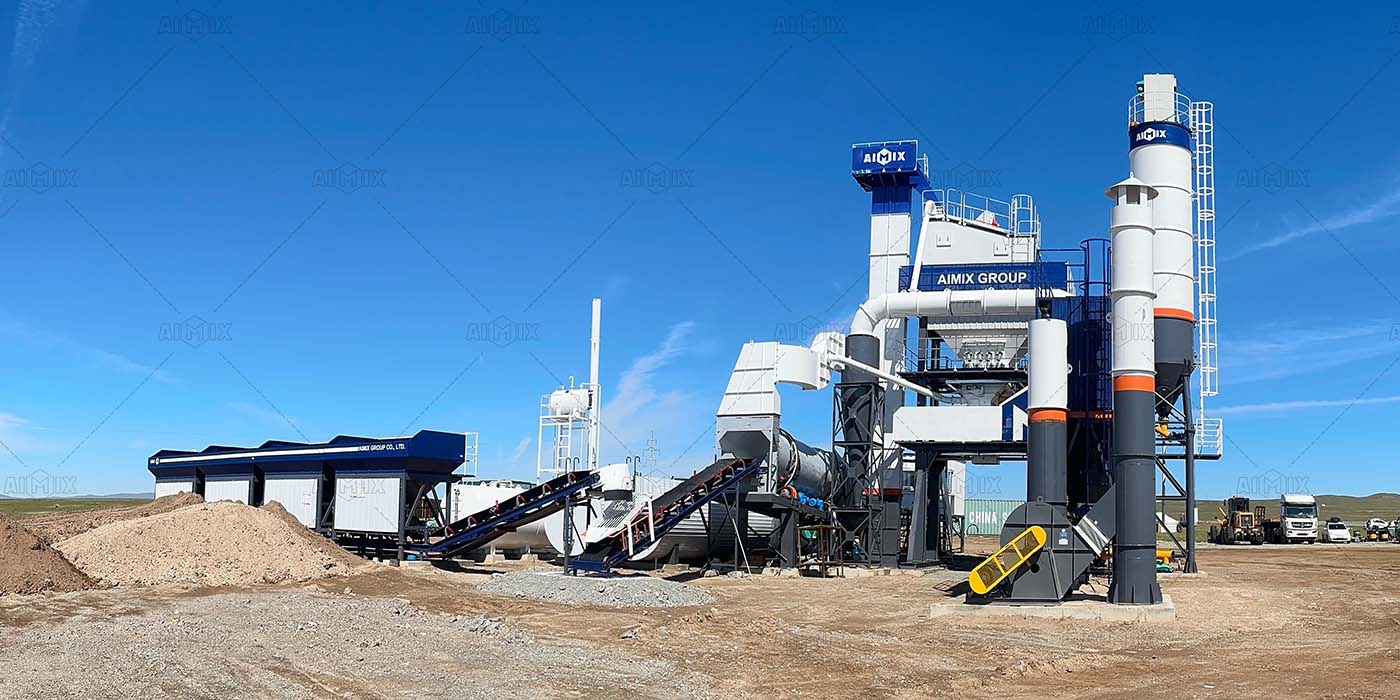
Beyond hardware, software now plays a larger role in asphalt plant demand.
Construction companies face labor shortages in many regions. Skilled operators become harder to find. At the same time, project timelines grow tighter.
This pressure drives buyers toward plants that simplify operation and reduce human error.
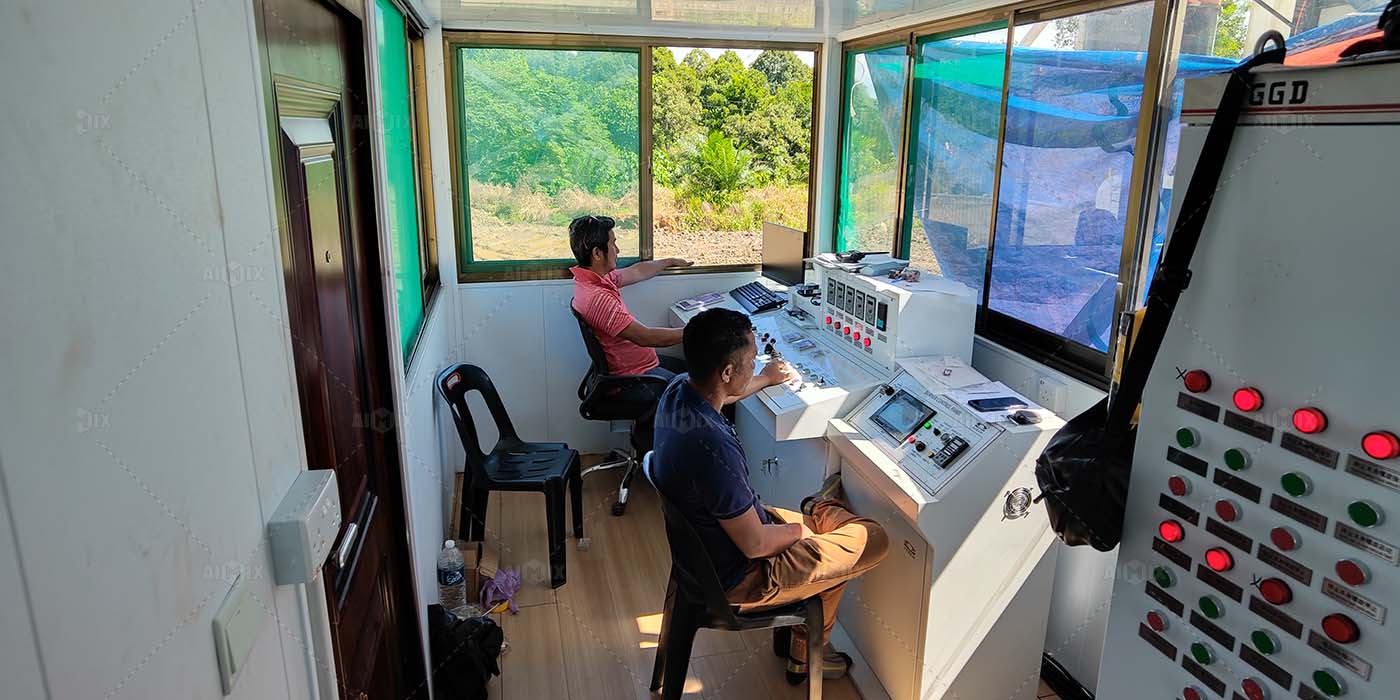
Modern asphalt plants increasingly rely on automated control systems.
These systems manage mix recipes, monitor material flow, and track production data in real time. Operators gain better visibility and control. Mistakes decrease. Output quality improves.
For project managers, digital records also support reporting and compliance requirements.
Another growing trend is remote monitoring.
With connected systems, managers can check plant performance without being onsite. Maintenance teams can detect issues earlier. Downtime becomes easier to prevent.
As digital tools mature, asphalt plant demand increasingly favors equipment that integrates data, not just machinery.
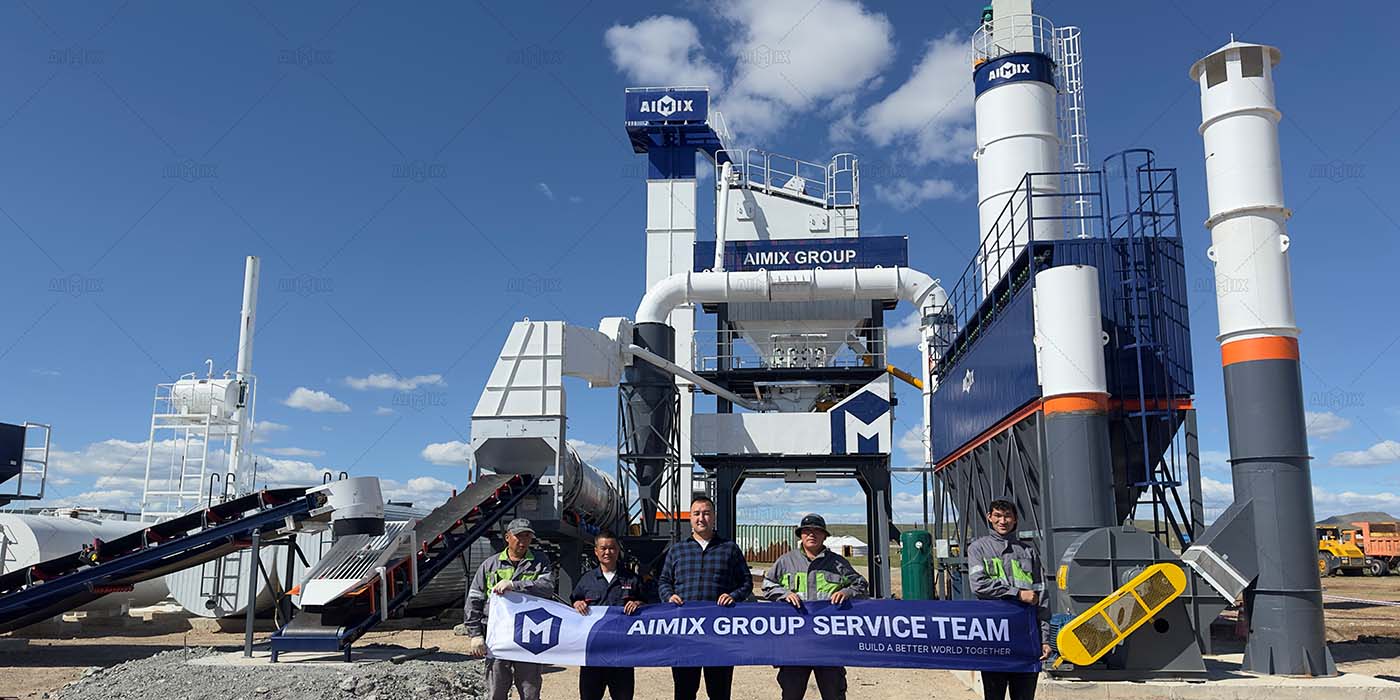
To navigate all these trends, a reliable partner makes a difference. Today buyers are not just buying equipment. They are buying support, expertise, and long-term performance.
This market shift explains why more buyers research asphalt mixing plant suppliers carefully before committing. They compare product quality, after-sales service, spare parts accessibility, and global presence.
In the long run, the right supplier helps contractors complete projects on time, control operating costs, and avoid unexpected downtime.
Before selecting an asphalt plant, buyers should ask practical questions. Will this plant suit both current and future projects? Can it meet local environmental rules? How easily can it relocate? What support and spare parts are available?
Answering these questions matters more than brochure specifications.
Global asphalt plant demand continues to grow, but it grows smarter, cleaner, and more flexible.
For contractors and investors, this moment offers opportunity. Those who align equipment choices with real market trends gain efficiency and resilience. Those who ignore these trends risk higher costs and lost bids.
If you are planning a new asphalt plant investment or upgrading an existing facility, now is the right time to reassess your strategy. Focus on flexibility, sustainability, and long-term value. In a changing global market, informed decisions build stronger roads and stronger businesses.