Choosing the right plant asphalt is not only a technical decision. It is a long-term business strategy. Many contractors focus only on initial cost. However, experienced companies think differently. They look at production stability, operating cost, project adaptability, and future expansion.
If you plan to grow your road construction business, your asphalt plant must support you for years. It should help you win more projects, reduce risks, and improve profit margins. So, what is the best asphalt plant for long-term business growth? Let’s explore this step by step from a practical, real-world perspective.
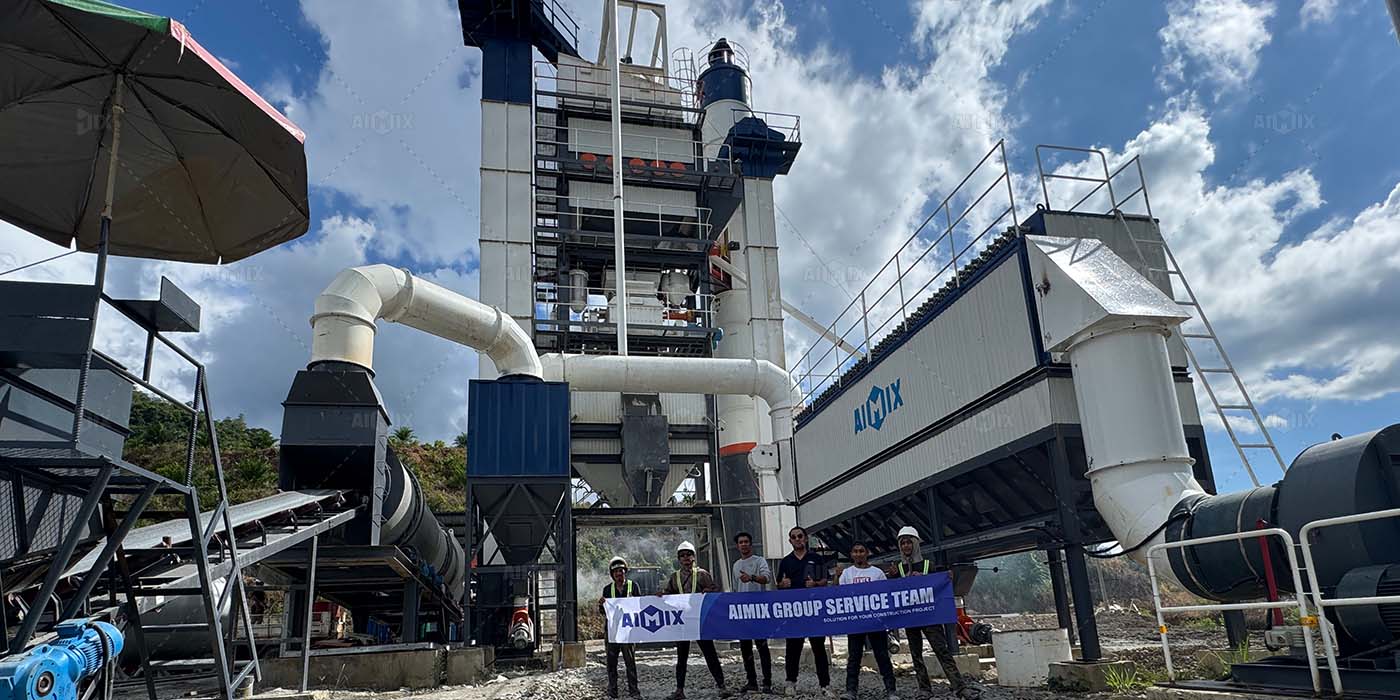
Before selecting any asphalt plant, you must define your business direction. This step is often ignored, but it directly affects your return on investment.
For example, are you planning to handle government road contracts? Or do you focus on small private projects? Do you expect your annual output to grow in the next 3–5 years? These questions matter.
In many Southeast Asian countries, contractors start with small municipal roads. Later, they move into highway or airport projects. Therefore, choosing a plant that can scale up production is a smart move.
In other words, your plant should not limit your future. Instead, it should support your growth plan.
- What is my target daily production (tons/day)?
- Will I expand into larger infrastructure projects?
- Do I need mobility for multiple job sites?
- What is my budget for operation and maintenance?
Once you answer these questions, you can move to the next step with clarity.
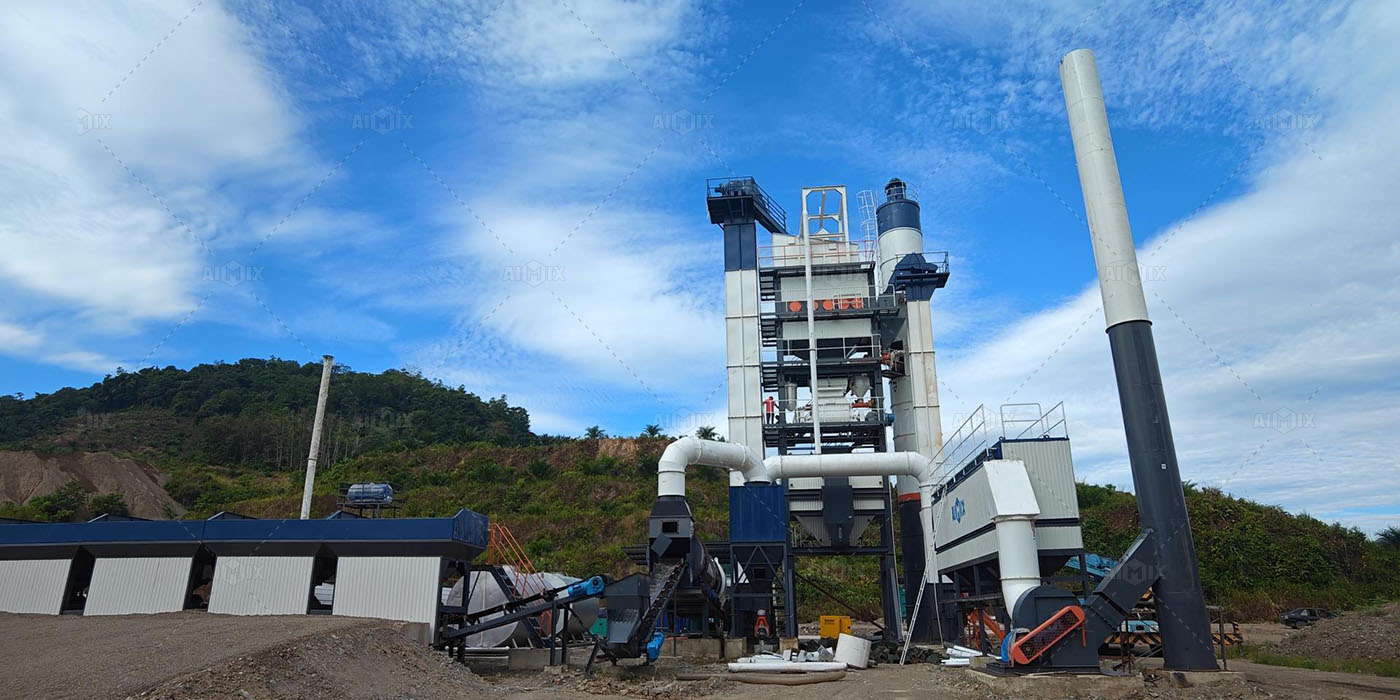
After defining your goals, you need to choose the correct plant type. This decision has a direct impact on efficiency and flexibility.
There are three common types of asphalt plants in the market. Each one suits different business stages.
Batch plants allow precise control of each mix. You can adjust the formula for different projects. This flexibility helps you win high-standard projects such as highways or airport runways.
Moreover, batch plants produce consistent asphalt quality. This reduces material waste and improves project reputation.
However, the initial investment is higher. Therefore, it suits contractors with stable project pipelines.
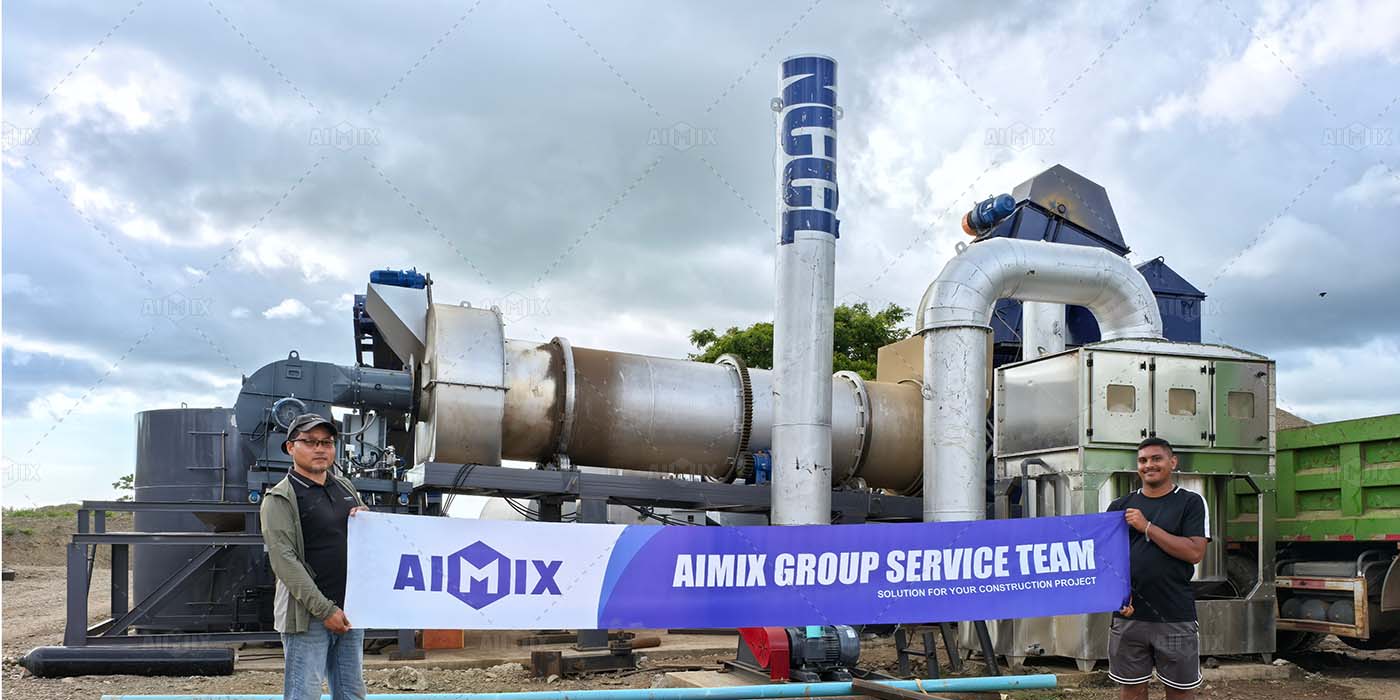
Drum mix plants offer continuous production. They have a simpler structure and lower cost. Many contractors use them for rural roads and medium-scale projects.
In addition, maintenance is easier. You can reduce downtime and keep production running.
However, mix formula adjustment is limited. So, they are less suitable for high-spec projects.
For contractors who need mobility, a mobile asphalt mixing plant for sale offers a strong advantage. You can install and relocate the plant quickly. This saves time and transportation costs.
For example, some mobile plants can complete relocation within 24–48 hours. This gives you flexibility for remote or short-term projects.
However, mobile plants usually have smaller capacity compared to stationary ones.
Therefore, your choice depends on your business model. If you aim for large, long-term projects, a stationary batch plant is often the best option.
Once you select the plant type, the next step is capacity planning. This is critical for long-term growth.
Many contractors underestimate future demand. They choose a small plant to save money. Later, they face production bottlenecks and lose project opportunities.
Therefore, it is better to choose a slightly higher capacity than your current needs.
- 40–80 TPH: Small municipal and rural projects
- 100–160 TPH: Medium road construction projects
- 200–320 TPH: Highways, airports, large infrastructure
For example, if your current projects require 80 TPH, consider a 120 TPH plant. This allows room for growth.
In addition, some modern plants support modular upgrades. You can increase capacity without replacing the entire system. Working with a reputable asphalt mixing plant supplier ensures access to quality upgrades and spare parts.
This approach reduces long-term investment risk.
Now that you understand capacity, let’s talk about operating cost. This is where many companies gain or lose profit.
Fuel consumption is the largest cost in asphalt production. A poorly designed drying system can increase fuel use by 20–30%.
Therefore, you should focus on energy-efficient designs.
- Burner efficiency
- Drying drum design
- Insulation performance
- Control system accuracy
For example, advanced burners can adjust fuel supply based on material moisture. This reduces waste and stabilizes production.
In high-humidity regions, this feature becomes even more important. Otherwise, energy consumption will increase significantly.
As a result, choosing an efficient plant helps you stay competitive in the long run.
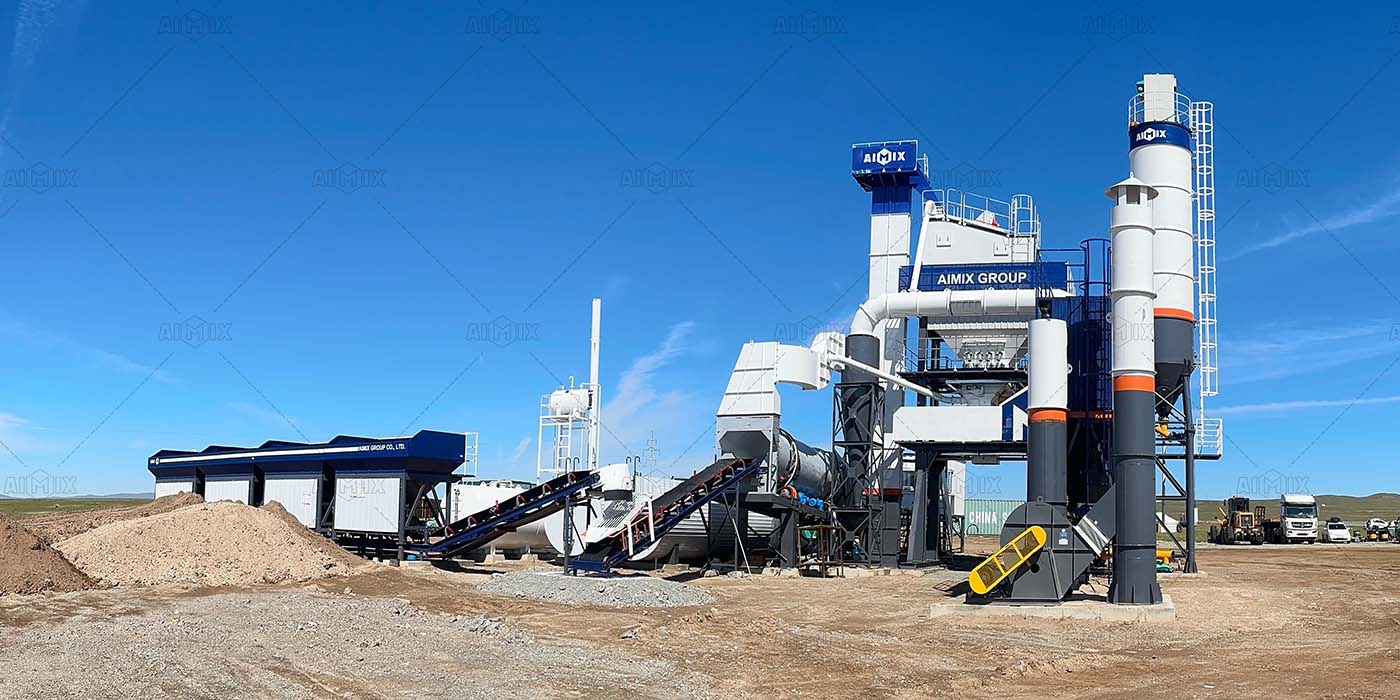
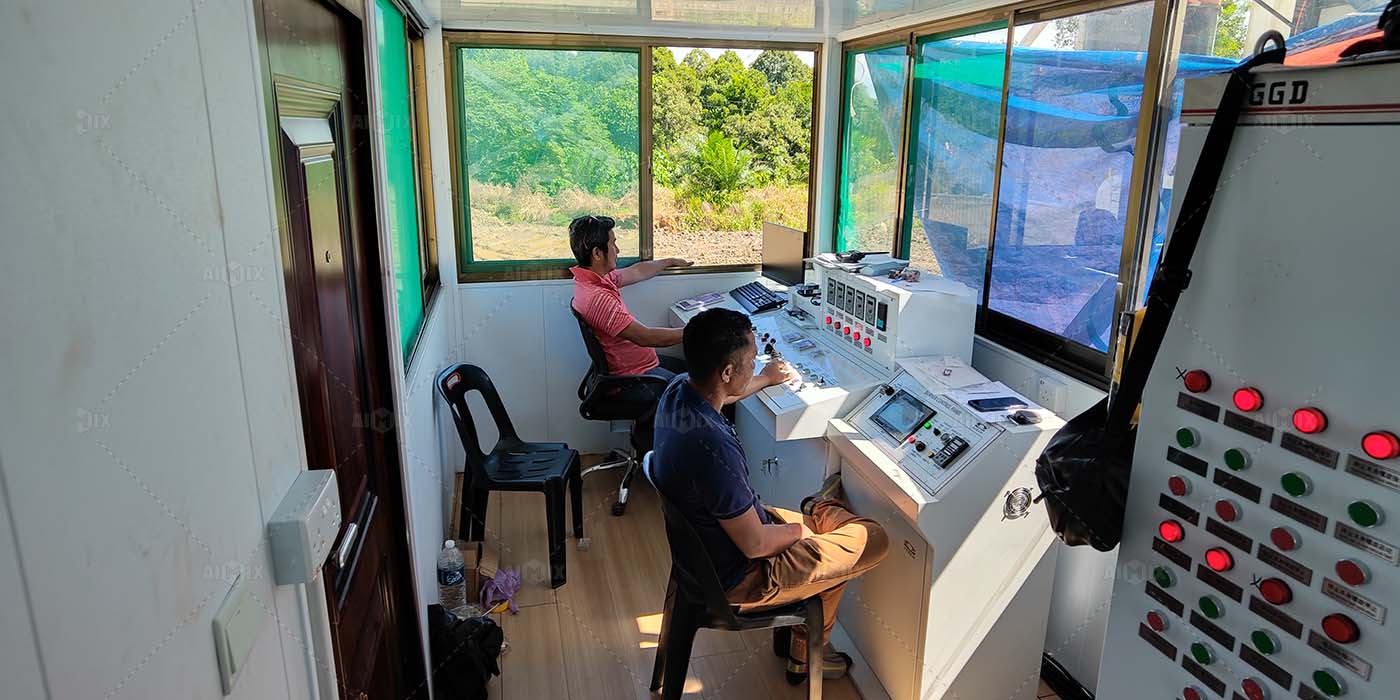
Next, automation plays a key role in modern asphalt plants. It directly affects productivity and labor cost.
Manual operation often leads to errors. It also requires experienced operators. This increases dependency on skilled labor.
On the other hand, automated systems simplify the process.
- Real-time monitoring of production
- Accurate material proportioning
- Reduced human error
- Lower labor cost
For example, an intelligent control system can store multiple mix recipes. You can switch between projects quickly without recalibration.
In addition, remote monitoring allows managers to track performance anytime.
Therefore, automation improves both efficiency and management control.
After discussing automation, we must consider durability. A plant that breaks down frequently will cost you more than you expect.
Therefore, material quality and structural design matter.
- Thickness of steel plates
- Wear-resistant components
- Brand of key parts (motors, burners)
- Ease of maintenance access
For example, high-quality wear plates extend the life of the mixing system. This reduces replacement frequency.
Also, a well-designed plant allows easy inspection and repair. This minimizes downtime.
In long-term operations, these details make a big difference.
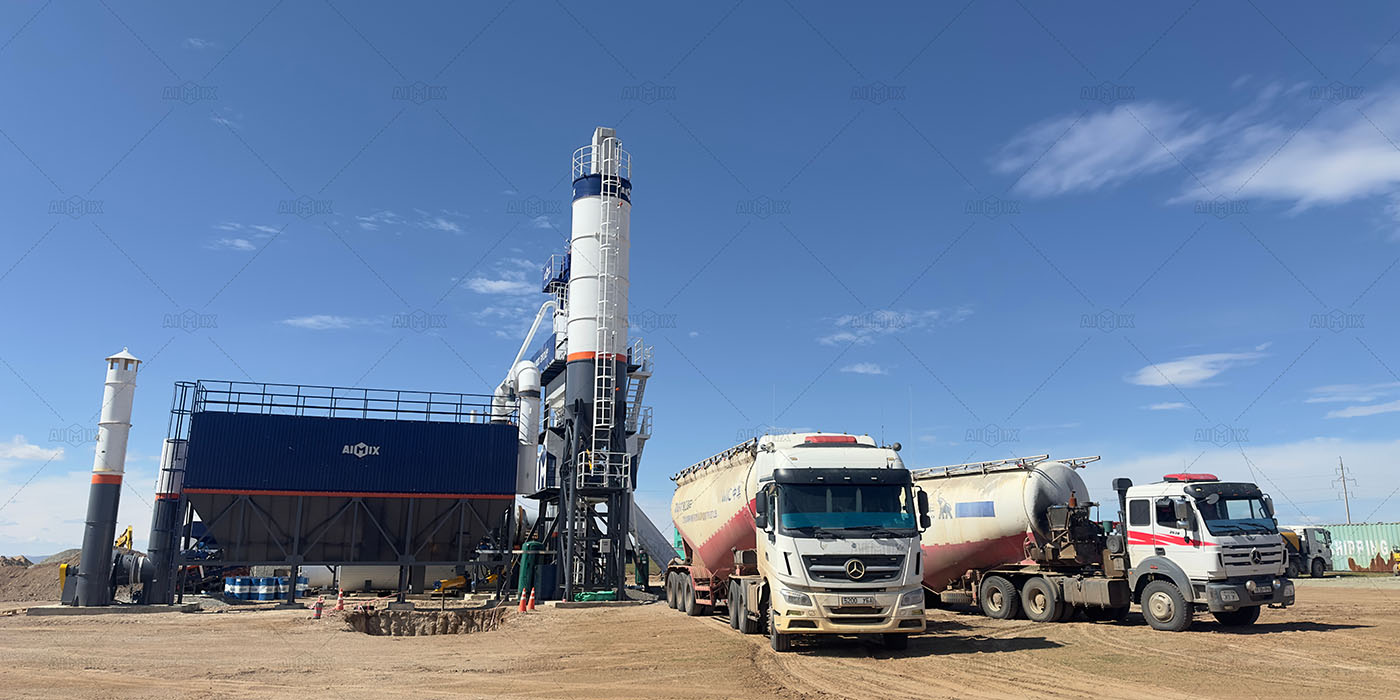
In today’s market, environmental standards are becoming stricter. Governments require lower emissions and better dust control.
Therefore, your asphalt plant must meet current and future regulations.
- Dust collection systems (bag filters)
- Low-emission burners
- Noise reduction design
- Recycling capability (RAP system)
For example, using recycled asphalt pavement (RAP) reduces material cost and environmental impact.
In addition, eco-friendly plants improve your company image. This helps you win government projects.
Thus, environmental performance is not just a requirement. It is also a competitive advantage.
Finally, even the best equipment needs strong support. Choosing a reliable supplier is essential.
A good supplier provides installation, training, and after-sales service. They help you solve problems quickly.
- Local service team
- Spare parts availability
- Technical support response time
- Proven project experience
For example, a supplier with local engineers can reduce downtime during maintenance.
In contrast, poor support can delay your projects and increase costs.
Therefore, always evaluate the supplier, not just the machine.
In summary, the best asphalt plant for long-term business growth is not the cheapest one. It is the one that matches your strategy, supports your expansion, and reduces your operational risk.
You should focus on plant type, capacity, efficiency, automation, durability, and environmental performance. At the same time, you must work with a reliable supplier.
When all these factors align, your asphalt plant becomes more than equipment. It becomes a long-term asset that drives your business forward.
If you are planning to invest in an asphalt plant, now is the right time to make a smart decision. Analyze your projects, define your goals, and choose a solution that supports your growth.
A well-selected asphalt plant can help you win more contracts, control costs, and build a strong reputation in the market.
Contact us today to get a customized asphalt plant solution based on your project needs. Let’s build your long-term success together.