Every contractor asks the same question before buying an asphalt plant: “Will this machine pay for itself fast enough?” In Nigeria, that question feels even more urgent. Road projects move quickly. Budgets face pressure. Competition keeps margins tight. So, if you plan to invest in a asphalt plant sale, you do not want vague promises. You want clear logic, realistic numbers, and a business case you can explain to your partners.
This article walks you through what ROI you can expect within two years. It stays practical. It uses real project logic. It speaks from the customer and construction industry view. Most of all, it helps you decide if a 120 TPH plant fits your goals in Nigeria.
To keep things simple, we will move step by step. First, we will define what ROI means in this context. Then, we will look at how a 120 TPH plant earns money. After that, we will break down costs. Finally, we will build a two-year ROI scenario and show you how to improve it.
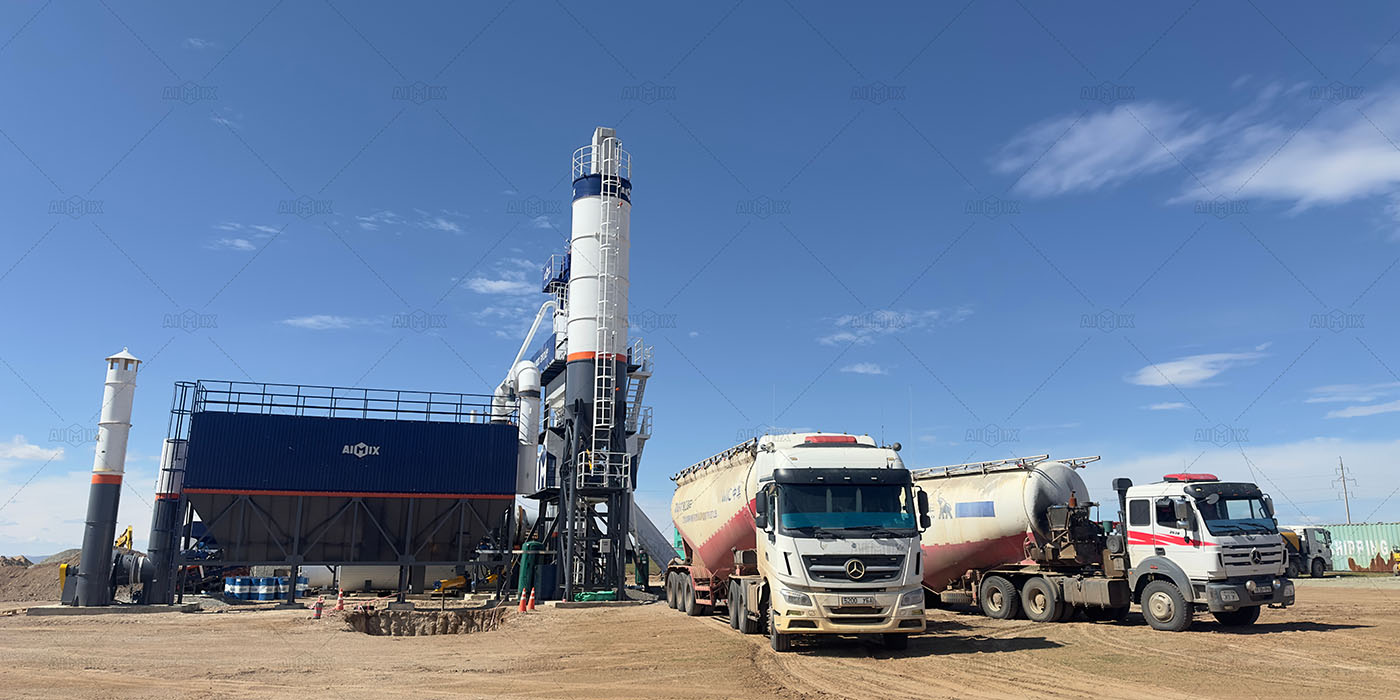
Before we talk about numbers, we need a shared definition. ROI means return on investment. In simple terms, it shows how much profit your plant can generate compared to what you spend to buy and run it.
However, in real projects, ROI is not just one number. It depends on how many hours you work, what price you sell asphalt for, and how well you control costs. Therefore, instead of chasing a “perfect” percentage, you should focus on a realistic range. In Nigeria, many contractors look at a two-year window. That makes sense. Road projects often run in phases. Cash flow matters. Banks and partners also prefer short payback periods. So, a two-year ROI target gives you a clear business checkpoint.
Now that the goal is clear, let us move from theory to production. After all, ROI starts with how much asphalt you can sell.
A 120 TPH asphalt plant sits in a sweet spot. It is not too small, and it is not too large. For many Nigerian contractors, that balance matters.
On one hand, smaller plants may struggle with large road contracts. They need more days to finish the same job. That increases labor and fuel costs. On the other hand, very large plants cost more to buy and to move. They also need a steady, high-volume order flow to stay profitable.
With 120 tons per hour, you can support:
- City road upgrades
- Highway maintenance projects
- Medium to large new road sections
- Industrial park and estate roads
More importantly, you gain flexibility. You can serve government projects and private jobs. You can run full days during peak season. You can also slow down when demand drops, without wasting a huge asset. Because of that balance, many buyers see 120 TPH as a “business builder” size. It gives you room to grow, while keeping risk under control. Next, let us translate capacity into revenue.
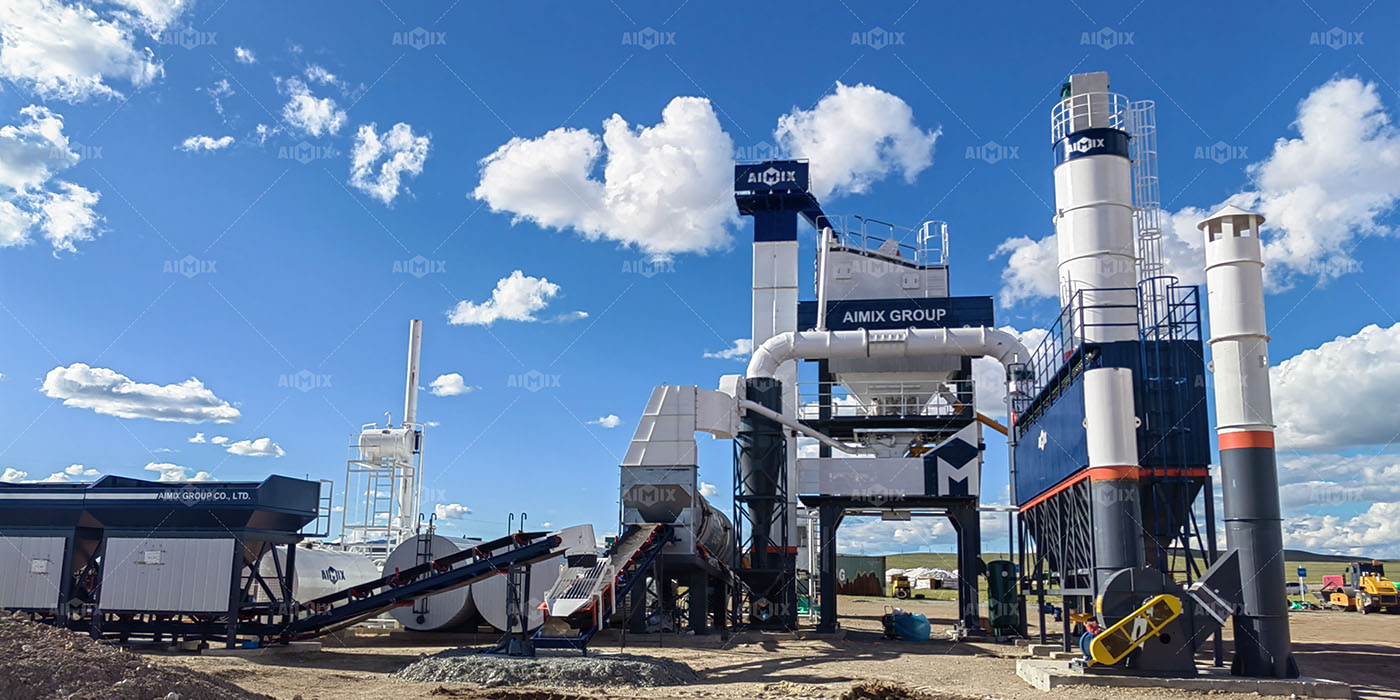
Revenue starts with output. In theory, a 120 TPH plant can produce 120 tons of asphalt per hour. In practice, you should plan for slightly less. Downtime, material supply, and site logistics all play a role. Let us use a conservative and realistic scenario:
- Average working output: 100 TPH
- Working hours per day: 8 hours
- Working days per month: 22 days
That gives you:
100 tons/hour × 8 hours × 22 days = 17,600 tons per month
Now we need a selling price. In Nigeria, asphalt prices change by region, oil cost, and project type. A reasonable average selling price might sit in the range of USD 70 to USD 100 per ton. To stay safe, let us use USD 80 per ton.
So, monthly revenue could look like this:
17,600 tons × USD 80 = USD 1,408,000 per month
This number does not mean pure profit. It only shows the top line. Still, it helps you see the earning power of the plant. From here, we need to subtract costs. That is where real ROI takes shape.
To keep the business honest, you must look at costs in a structured way. Otherwise, ROI becomes a guess, not a plan.
First, you have the initial investment. A 120 TPH asphalt plant usually includes:
- The mixing plant itself
- Control system
- Storage and feeding systems
- Basic installation support
Depending on configuration and brand, the investment might range widely. If you are considering an asphalt mix plant price, it is important to understand what comes with it—quality, support, and durability all affect long-term costs.
For a mid-range, practical setup, let us assume around USD 800,000. Next, you have operating costs. These usually include:
- Fuel or electricity
- Bitumen and aggregates
- Labor
- Maintenance and spare parts
- Site logistics and transport
Material costs often pass through to the client, so they do not always hit your margin directly. However, energy, labor, and maintenance do. A simple and conservative way to estimate is to assume that operating and overhead costs take about 70% of revenue. That leaves about 30% as gross margin before tax and financing.
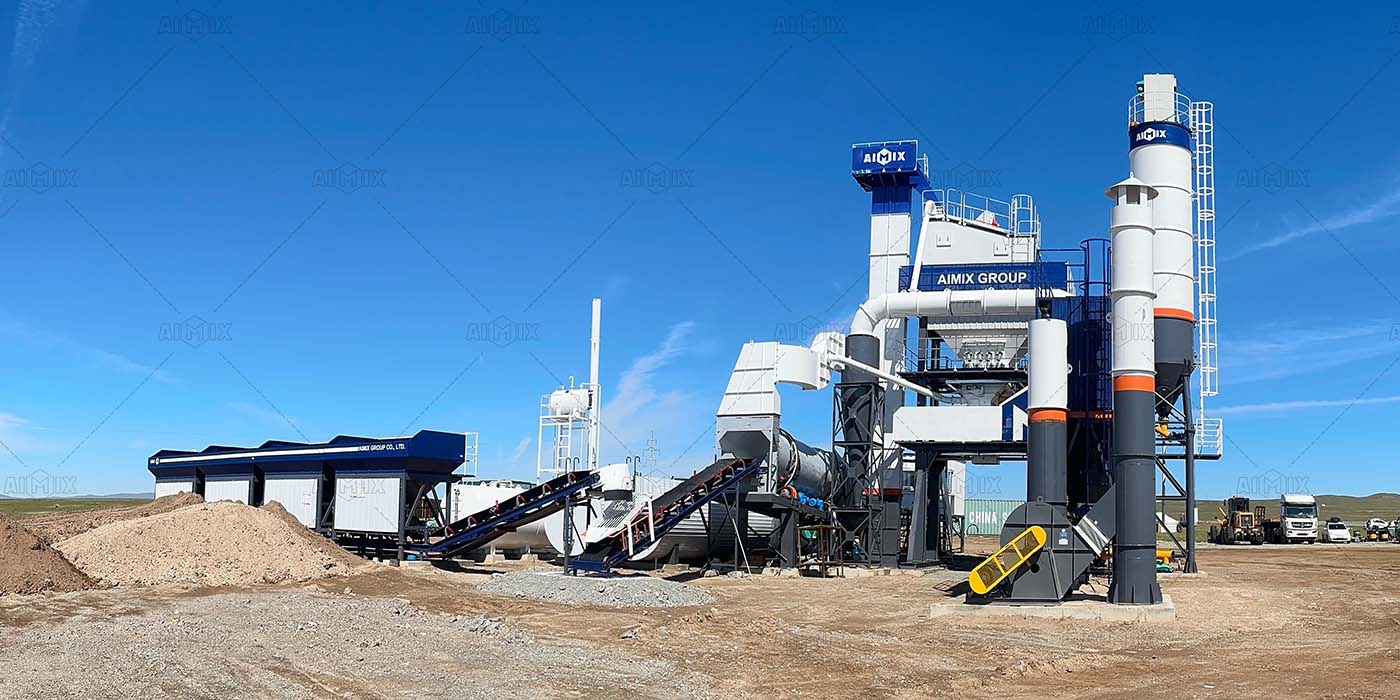
We already estimated monthly revenue at about USD 1,408,000. If we assume a 30% gross margin, then monthly gross profit becomes:
USD 1,408,000 × 30% = USD 422,400
Of course, you will not run at full capacity every single month. Rainy seasons, project delays, and payment cycles affect real life. So, let us apply a utilization factor of 70% to stay realistic.
Adjusted monthly gross profit:
USD 422,400 × 70% ≈ USD 295,680
Now, let us look at a full year:
USD 295,680 × 12 ≈ USD 3,548,160 per year
Over two years, that becomes roughly:
USD 7,096,320
Even if this number feels optimistic, remember we already used conservative production and utilization assumptions. Now compare this profit to the initial investment of about USD 800,000. In this simplified scenario, the plant can recover its investment well within the first year. The second year then becomes strong profit territory.
Of course, real projects vary. Many contractors in Nigeria who look for an asphalt plant for sale in Nigeria also build pipeline plans, sales forecasts, and risk buffers to make sure that ROI stays on track—no matter market conditions.
First, project pipeline matters. If you secure long-term road contracts, your plant runs more days per month. More working days mean faster payback. Therefore, sales planning matters as much as machine selection.
Second, location plays a big role. A plant closer to job sites reduces transport time and fuel cost. That improves margins. It also helps you respond faster to urgent orders, which clients often pay extra for.
Third, reliability saves money. Every hour of downtime kills output. A stable, well-supported 120 TPH plant keeps your schedule tight and your reputation strong. In Nigeria’s competitive market, that reputation brings repeat orders.
Fourth, cost control protects profit. Smart fuel management, planned maintenance, and trained operators all reduce waste. Small savings per ton become big money over thousands of tons.
Because these factors sit under your control, ROI is not just “what the market gives you.” It is also what your management creates.
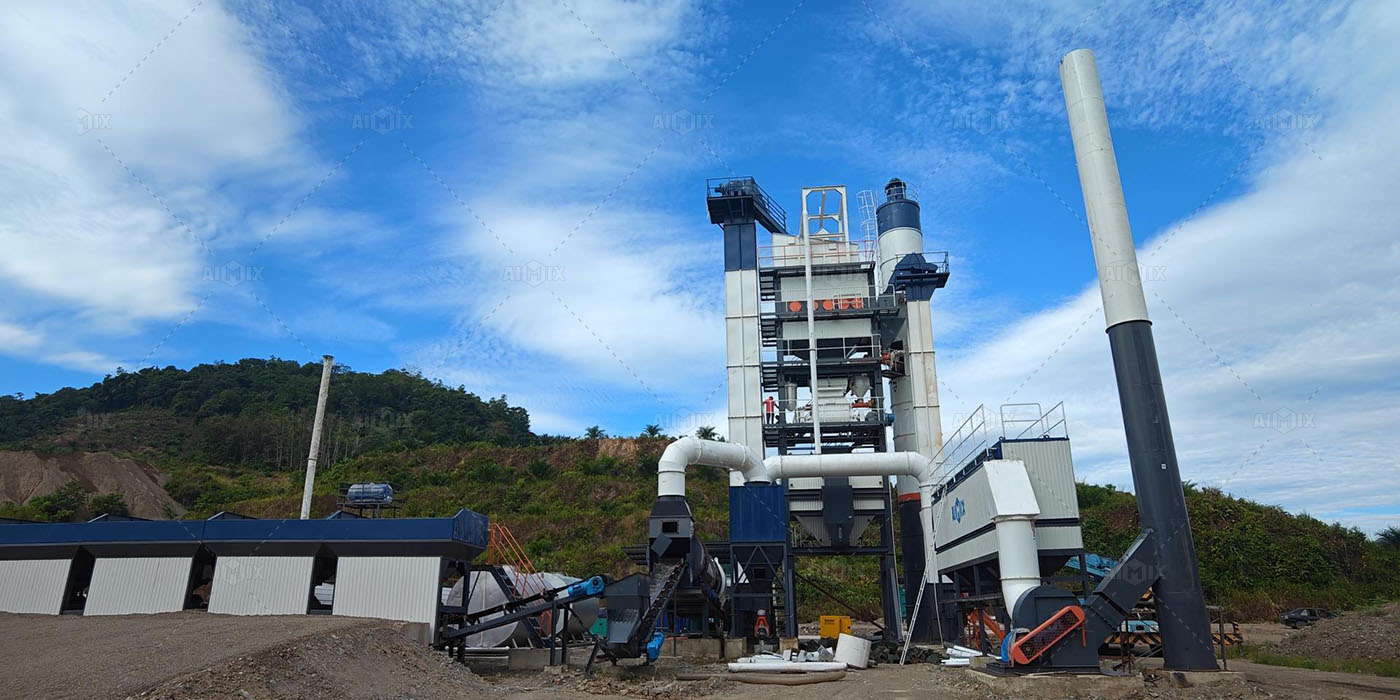
Some investors look only at the first six months. Others dream about ten-year returns. In practice, two years is a healthy middle ground.
In the first months, you still learn the machine and the market. In the second year, operations become smoother. You also build client trust. So, performance in year two often looks better than in year one.
If your plant can pay back the main investment within two years, you reduce risk. You also gain freedom. After that point, you can reinvest in more equipment, expand to new regions, or bid on bigger projects with more confidence.
If you run a 120 TPH asphalt plant in Nigeria with a steady project flow, realistic cost control, and good management, you can expect to recover your investment well within two years. In many cases, the payback can happen even faster.
More importantly, after that point, the plant becomes a strong profit engine for your business. It supports growth. It strengthens your brand. It gives you more control over your future projects.
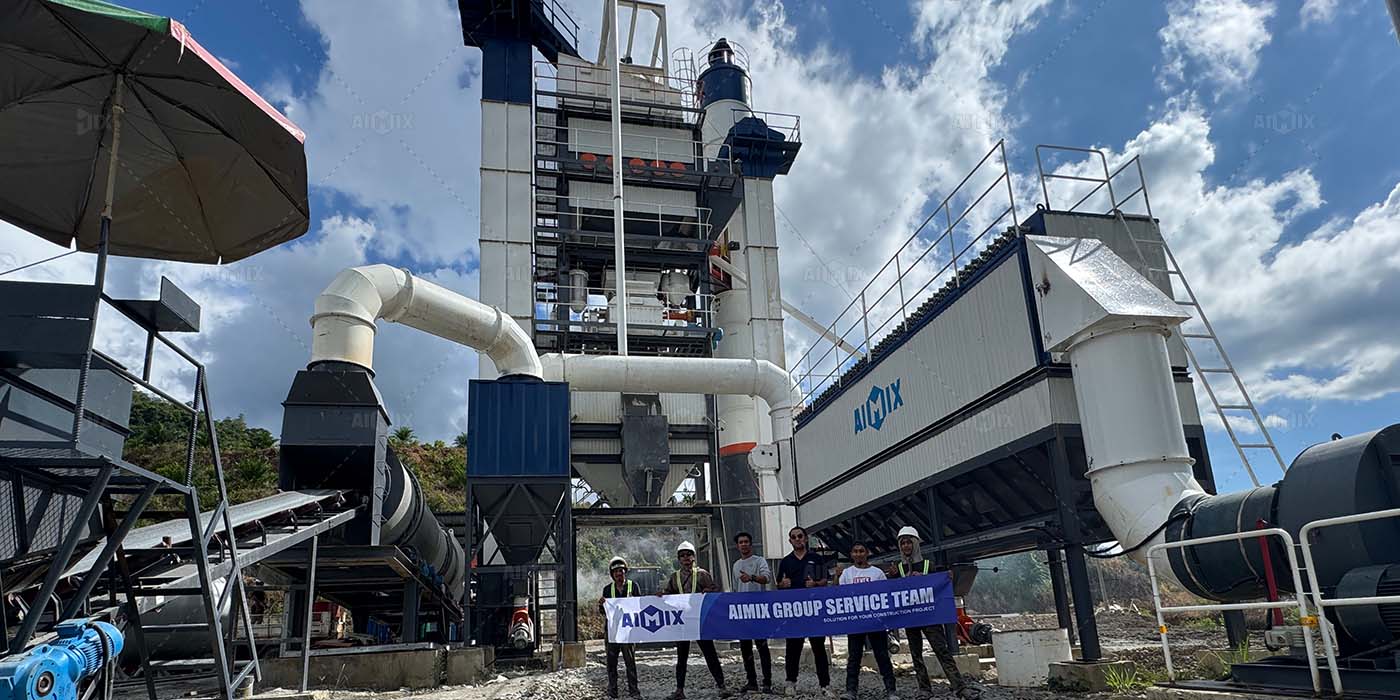
A well-chosen asphalt plant is not just an expense. It is an investment that can reshape your business in the next two years. If you want a solution that fits your goals and your market, talk to a professional supplier who understands real project needs, not just machine specs. Your ROI story starts with the right decision today.