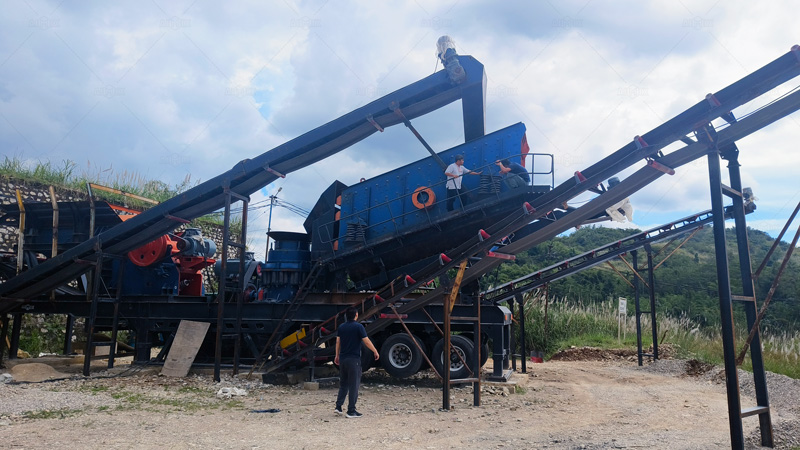
The selection between a track-mounted crusher and a wheeled mobile counterpart is a pivotal decision that reverberates through the entirety of a crushing operation's profitability. Both platforms offer distinct advantages, yet they cater to fundamentally different operational philosophies. One is engineered for rapid mobility and maneuverability in complex environments, while the other prioritizes cost-efficiency and stability in less demanding settings. The choice on the mobile crusher plant is not merely a matter of preference; it is a strategic calculation based onc terrain, material characteristics, project duration, and transportation logistics. Crucially, this decision exerts a profound influence on the capital outlay required, with the price differential often reflecting the sophisticated engineering embedded within each system. Understanding the specific scenarios that necessitate one platform over the other is essential for optimizing both productivity and return on investment.
The primary differentiator between track and wheel mounted crushers lies in their respective relationship with the ground beneath them. Track crushers are the unequivocal champions of challenging, uneven, and soft terrain. Their continuous tracks distribute the machine's immense weight over a large surface area, generating exceptionally low ground pressure. This allows them to traverse muddy construction sites, scale rubble heaps in demolition zones, and operate on loose soil without becoming bogged. Conversely, wheel mounted crushers are semi-mobile units that require a stable, hard, and level surface for deployment. They are often transported via a trailer and then must be set up on a prepared pad, using hydraulic jacks to achieve stability. In an urban demolition site where the footprint is constantly shifting, the track crusher provides unrivaled agility. On a quarry floor with well-maintained haul roads, the wheeled unit offers adequate mobility at a significantly reduced acquisition cost.
The frequency of relocation is a pivotal factor. A track crusher is designed for continuous motion; it can be driven under its own power from one pile of material to the next in a matter of minutes. This "crush-and-move" capability is indispensable for large-scale demolition projects or for processing multiple, dispersed stockpiles on a single site. There is no need for a dedicated prime mover or trailer for these short-distance relocations. Wheel mounted units, however, present a logistical friction point. They are essentially portable plants, not self-propelled crushers. Moving one from one position to another requires hitching it to a heavy-duty truck, a process that consumes time and necessitates clear, stable pathways. Therefore, if the operational plan dictates that the crusher will remain in a single location for weeks or months, the wheeled variant's higher setup time is amortized, making it a sensible choice.
Within the crucible of a city block, the track crusher's maneuverability becomes paramount. Its ability to execute zero-radius turns and navigate through narrow gateways or between standing structures is unparalleled. A wheeled unit, with its larger turning radius and reliance on being towed into position, often struggles in such constrained environments. The track machine can snake its way into the heart of the demolition, positioning itself optimally to receive material from excavators, thereby minimizing haul distances for loading equipment. This operational efficiency, born of extreme maneuverability, directly translates to reduced cycle times and lower on-site fuel consumption for support vehicles, a factor that, while difficult to quantify initially, contributes substantially to long-term project economies.
The disparity in capabilities is directly mirrored in the complexity of the machinery, which in turn dictates the purchase price. A track crusher is a more intricate piece of engineering. It incorporates not only the crushing chamber (jaw, cone, or impactor) and the power unit, but also an integrated, heavy-duty undercarriage with its own drive motors, sprockets, and track frames. This adds a significant layer of manufacturing cost. The hydraulic systems on a track unit are more sophisticated, powering both the crusher functions and the propulsion system. This confluence of systems requires robust engineering to withstand the torsional stresses induced by traveling over uneven ground. Conversely, a wheel mounted crusher simplifies this architecture. It forgoes the complex propulsion system, resulting in fewer moving parts, lower manufacturing costs, and a correspondingly lower price point.
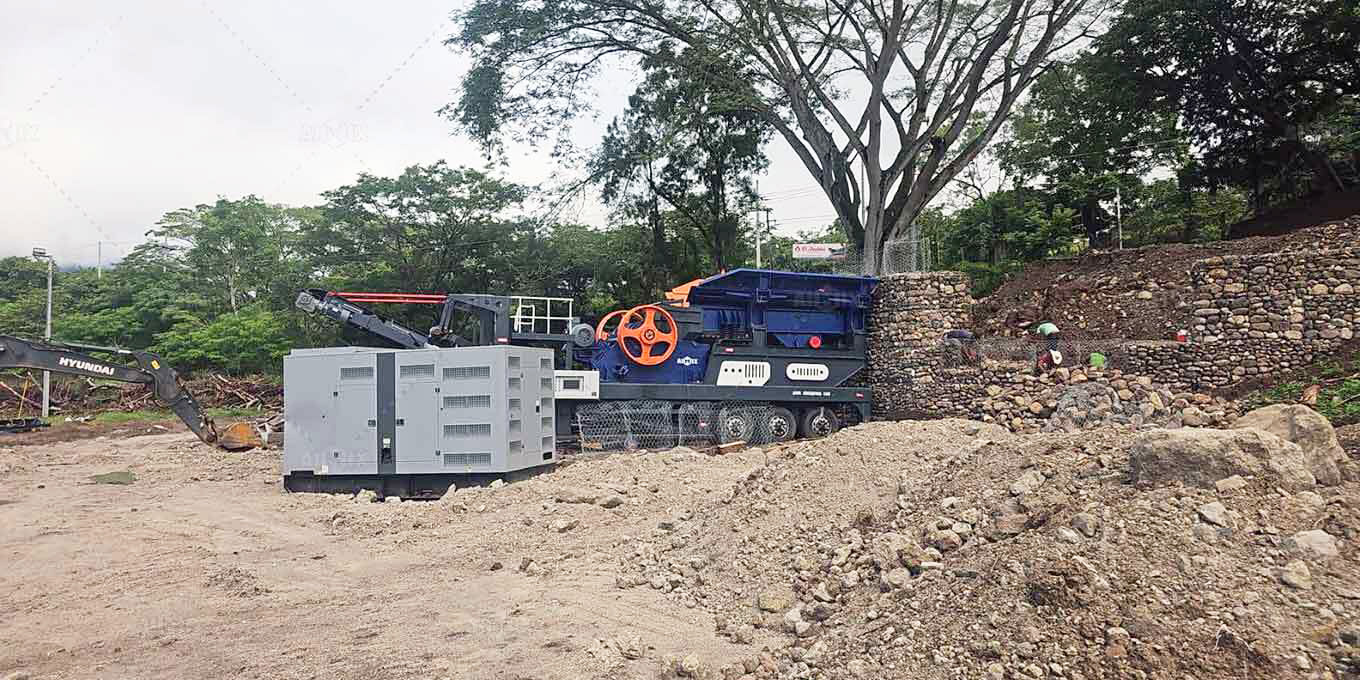
The price tag extends beyond the initial capital expenditure to encompass the cost of getting the machine to the job site. While track crushers are mobile on-site, they are cumbersome for long-distance road transport. They typically require low-loaders and may need partial dismantling to comply with road width and weight regulations, incurring significant freight charges. Wheel mounted mobile stone crusher plant , however, are expressly designed for road transportability. They can often be towed as a single unit, simplifying logistics and drastically reducing mobilization costs between projects. For a contractor whose work involves multiple, geographically dispersed short-term projects, these savings on transport can be substantial. Therefore, while a wheeled unit may appear less capable, its lower initial price and reduced haulage expenses can make it the more profitable option for operations characterized by frequent, long-distance relocations.
Ultimately, the decision hinges on a holistic assessment of the project's unique demands. The track crusher, with its premium price, is an investment in on-site agility, low ground pressure capability, and the ability to navigate complex terrain. The wheel mounted crusher offers a more economical entry point, prioritizing ease of transport and operational simplicity on stable ground. By meticulously evaluating the interplay of site conditions, material movement, and project timelines, operators can select the platform that not only fits the immediate task but also aligns with the long-term financial health of the enterprise. The right choice transforms a capital expense into a strategic asset, turning raw material into profit with maximum efficiency.