Choosing the right asphalt paver is not a simple equipment matching task. For contractors, project owners, and construction managers, it directly affects paving quality, daily output, fuel cost, and even whether the project can stay on schedule. When you already have, or plan to invest in, a plant asphalt system with a 60 TPH capacity, one key question naturally follows: which asphalt paver capacity truly matches it?
This article answers that question from a practical construction perspective. We will not speak in abstract theory. Instead, we will connect plant output, paving speed, jobsite realities, and contractor goals. By the end, you will clearly know what paver capacity works best, what mistakes to avoid, and how to plan a balanced asphalt paving system that performs reliably in real projects.
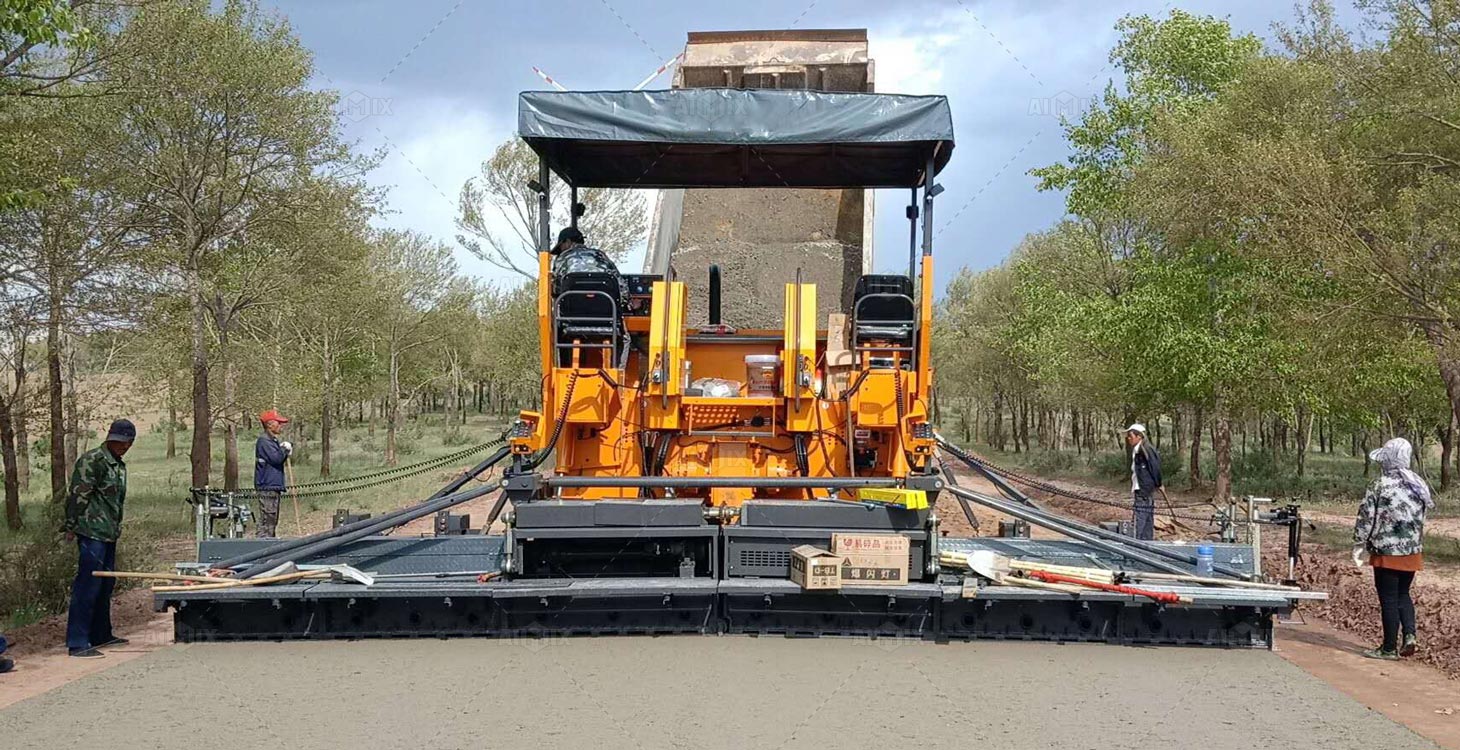
Before selecting an asphalt paver, it is essential to understand how a 60 TPH asphalt mixing plant performs in real conditions. On paper, 60 tons per hour sounds precise. In practice, production varies.
A 60 TPH plant means the plant can produce up to 60 tons of hot mix asphalt per hour under stable conditions. However, weather, aggregate moisture, burner efficiency, and operator skill all affect actual output. Most contractors see an average production of 48–55 TPH during continuous paving.
This realistic output matters. If you match a paver only to the maximum number, you may face feeding gaps. On the other hand, if the paver is too small, it will limit plant productivity. Therefore, balance is the goal.
With this foundation in mind, we can now move from plant output to paving demand.
To match equipment correctly, we must first speak the same language. Asphalt paver capacity is often misunderstood.
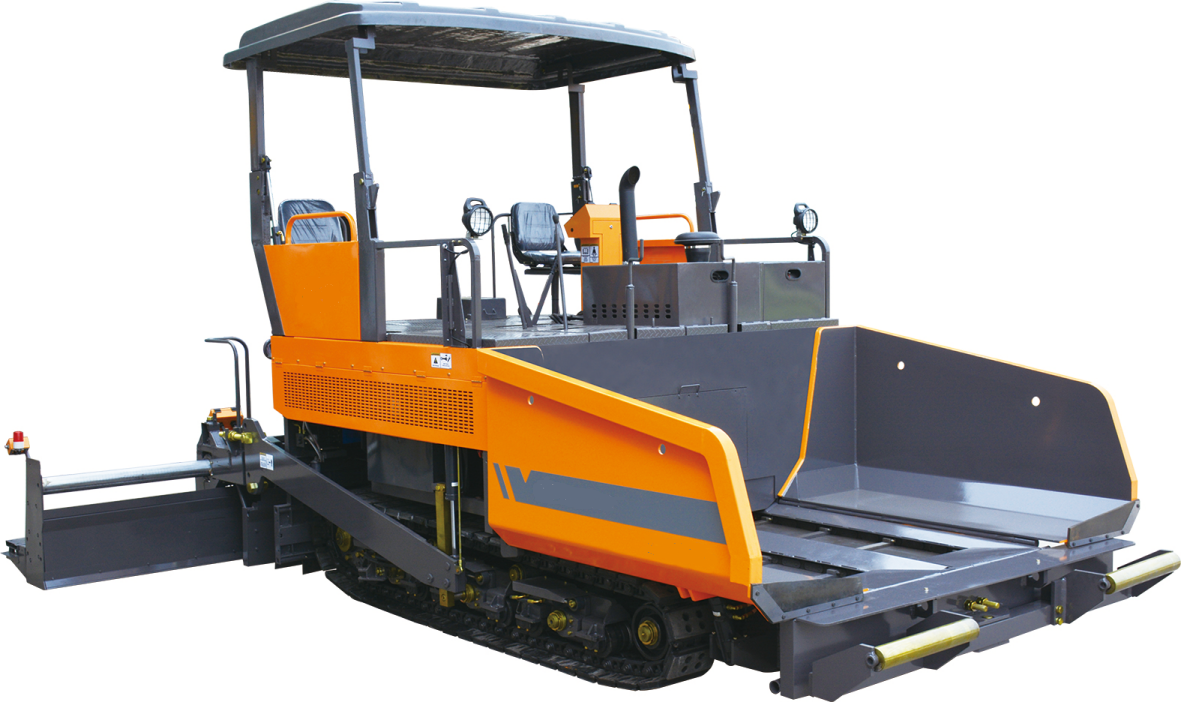
Manufacturers usually describe paver capacity in tons per hour. This number depends on hopper size, conveyor speed, screed width, paving thickness, and travel speed. A good example is the commercial asphalt paver options that range in capacity to meet diverse project needs. However, capacity ratings on paper do not always reflect real on-site output.
Instead, actual paving output depends on three main factors:
A wider screed places more material per meter. Highway projects require much higher capacity than village roads.
A 50 mm surface course needs far less material than a 100 mm base course. Thickness changes output dramatically.
Higher speed increases hourly demand. However, excessive speed can harm surface smoothness.
Once these factors are clear, we can move forward to practical matching.
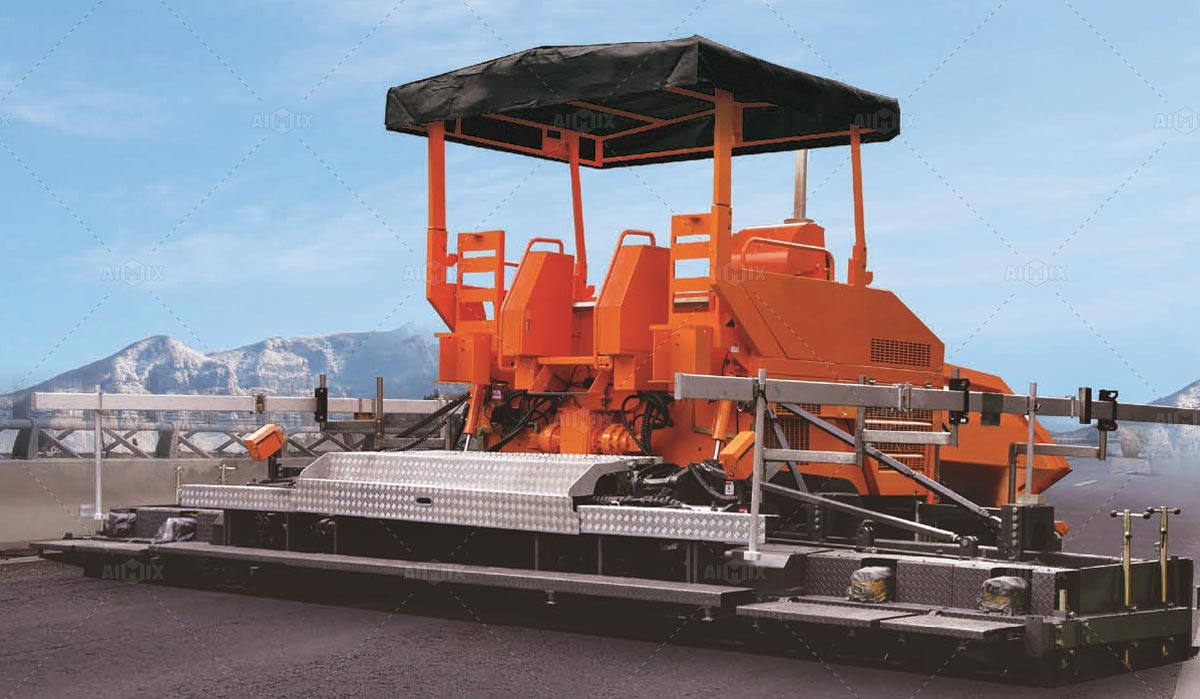
So, which asphalt paver capacity matches a 60 TPH asphalt mixing plant? The short answer is this: a paver with an effective paving capacity of 60–90 TPH is the best match.
Now let us explain why this range works in real projects.
A paver rated around 60–70 TPH matches the average output of the plant. This setup works well for:
• Municipal roads
• Rural roads
• Industrial park pavements
• Secondary highways
In these projects, paving widths are usually 3–6 meters. Thickness often ranges from 40–70 mm. Under these conditions, the paver consumes material steadily. The plant can run continuously. Trucks cycle smoothly. Crew stress remains low.
As a result, fuel use stays efficient. Segregation risk stays low. Surface quality improves.
Some contractors choose a slightly larger paver, even with a 60 TPH plant. This decision often makes sense.
A higher-capacity paver does not force you to pave faster. Instead, it gives you flexibility. When paving thicker layers, wider sections, or short ramps, the paver can handle sudden material demand without stopping.
In addition, future project upgrades matter. If you later add a second shift, improve plant efficiency, or run a higher output mix from your hot asphalt mixing plant, the paver will not become a bottleneck.
Therefore, many experienced contractors prefer an 80–90 TPH class asphalt paver paired with a 60 TPH plant.
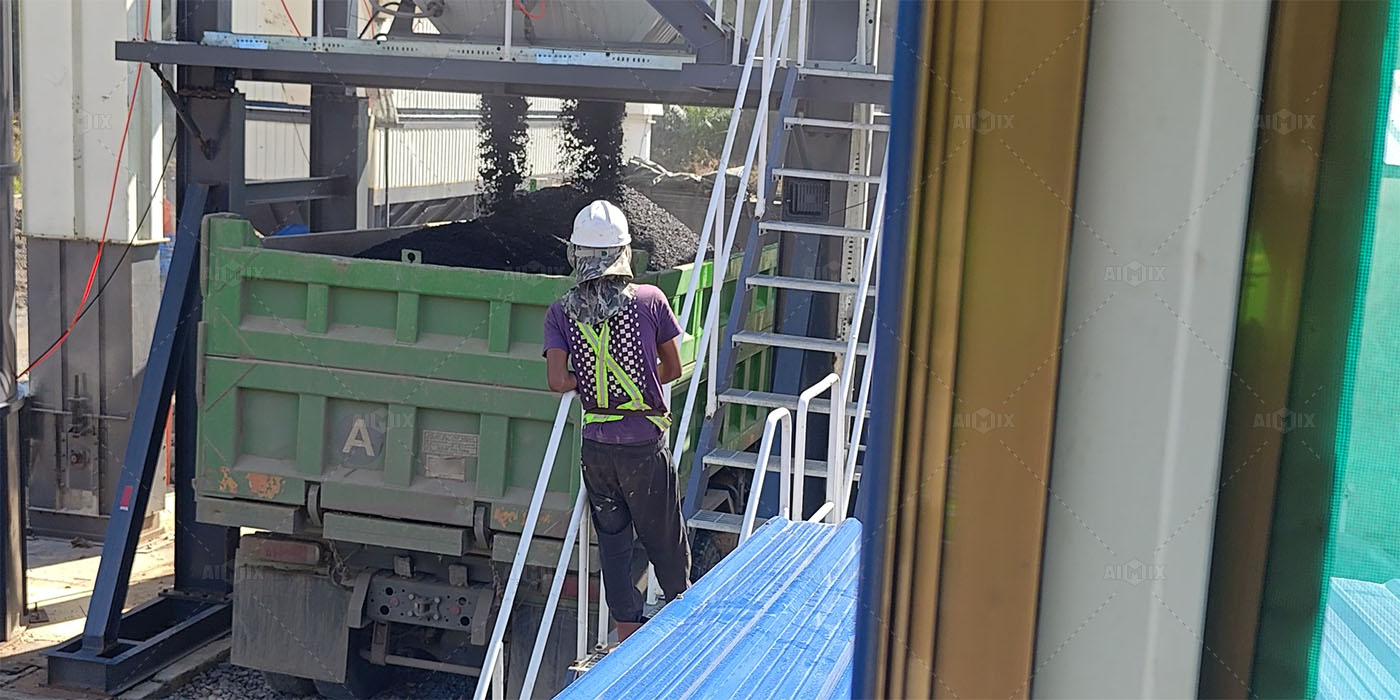
Understanding the right capacity also means understanding common mistakes. Many paving problems come from poor equipment matching.
A very large paver, such as 120 TPH or more, may sound impressive. However, with a 60 TPH plant, it often creates problems.
The hopper empties too quickly. The paver stops frequently. Temperature drops. Joints become visible. Fuel waste increases. Crew efficiency drops.
In short, bigger is not always better.
A small paver below 50 TPH can also limit performance. Even if the plant produces steadily, the paver cannot consume material fast enough.
This mismatch causes truck queues at the site. The plant may need to slow down. Production cost per ton increases. Project duration extends.
Therefore, capacity balance remains the core principle.
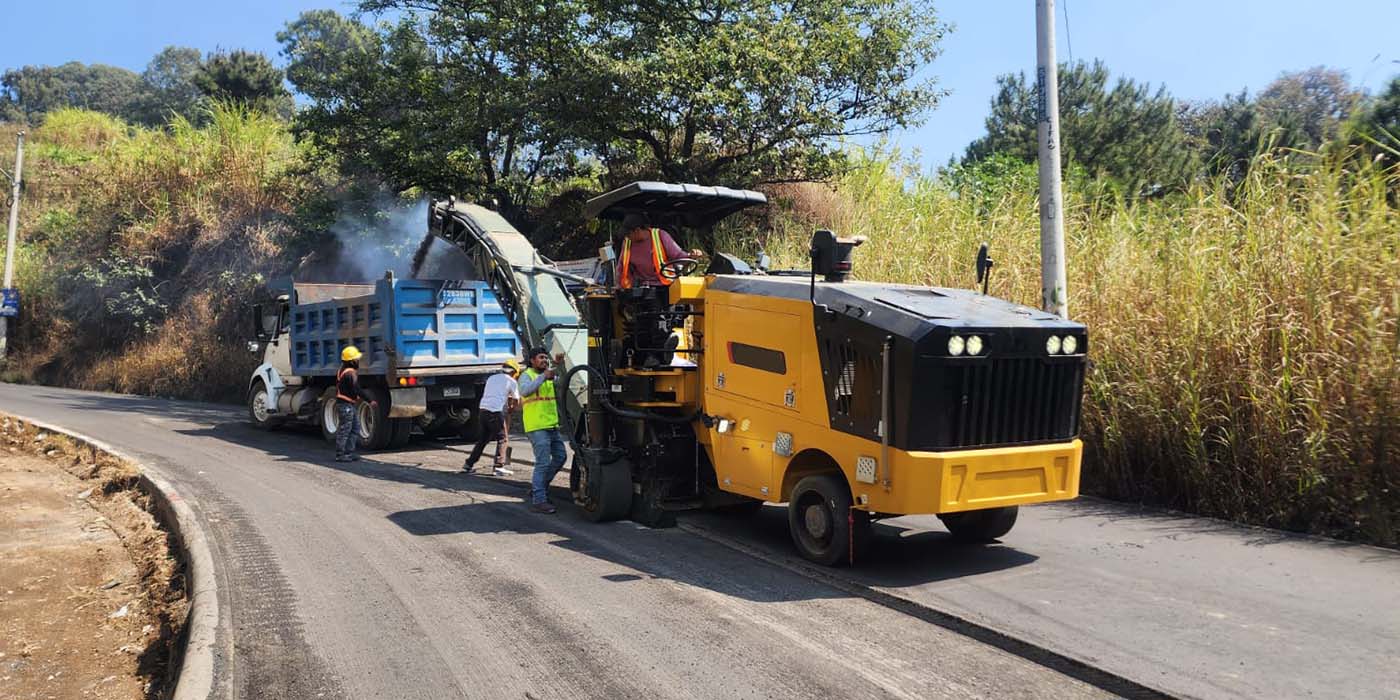
Capacity matching should never ignore project reality. Even with the same 60 TPH plant, different job types need different paver strategies.
Urban projects often involve frequent stops, manholes, and traffic control. Here, a 60–70 TPH paver offers better control and smoother transitions.
Maintenance projects often need fast output during limited traffic windows. In this case, an 80–90 TPH paver offers better flexibility.
In remote areas, logistics matter more than speed. Stable operation matters most. A paver closely matched to plant output reduces downtime.
By considering these conditions, contractors avoid costly mismatches.
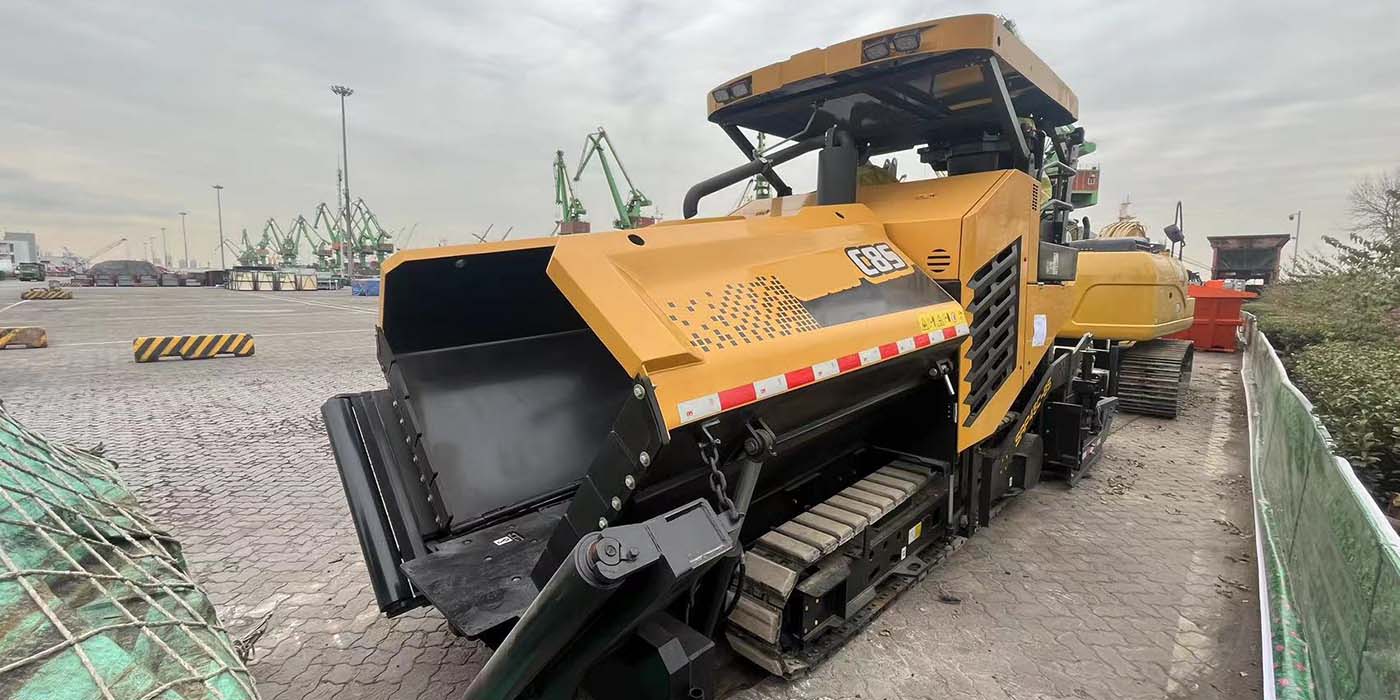
A successful asphalt operation never depends on one machine alone. The mixing plant, asphalt paver, and transport fleet must work as one system.
For a 60 TPH plant, most projects require 6–10 dump trucks, depending on haul distance. If truck supply fails, even the best paver will stop.
Likewise, operator training matters. A well-trained paver operator can maintain steady speed and reduce material waste. This human factor often matters as much as machine capacity.
When all elements align, productivity rises naturally.
To summarize clearly:
• A 60 TPH asphalt mixing plant typically delivers 48–55 TPH in real conditions.
• The ideal asphalt paver capacity range is 60–90 TPH.
• A 60–70 TPH paver suits standard municipal and rural projects.
• An 80–90 TPH paver offers flexibility for thicker layers and future growth.
• Avoid extreme oversizing or undersizing.
These recommendations come from real construction scenarios, not just equipment catalogs.
Choosing the right asphalt paver capacity does more than reduce upfront cost. It improves paving quality. It reduces crew fatigue. It lowers rework risk. It protects your reputation with clients and authorities.
In a competitive construction market, consistency wins projects. Equipment harmony supports that consistency every day.
If you are planning or operating a 60 TPH asphalt mixing plant, the right asphalt paver is a strategic decision. It affects every ton you produce and every meter you pave.
Our team works closely with contractors across different regions and project types. We help clients select asphalt pavers that truly match their plant capacity, job conditions, and long-term goals. We do not push oversized machines. We focus on practical balance and reliable performance.
If you want tailored advice for your specific project, feel free to contact us. A well-matched asphalt system starts with the right conversation.