City road rehabilitation always comes with tight schedules, heavy traffic pressure, and strict quality control. When you need to pave or resurface a 15 km urban road and must produce 600–900 tons of asphalt per day, choosing the right asphalt plant becomes a make-or-break decision. In this post, I walk you through how I would assess the project, what matters most in plant selection, and which solutions fit this production range with confidence and efficiency.
I explain everything from a contractor’s perspective, focusing on what actually affects your progress, cost, and quality on site. My goal is simple: help you make a decision that feels safe, practical, and profitable.
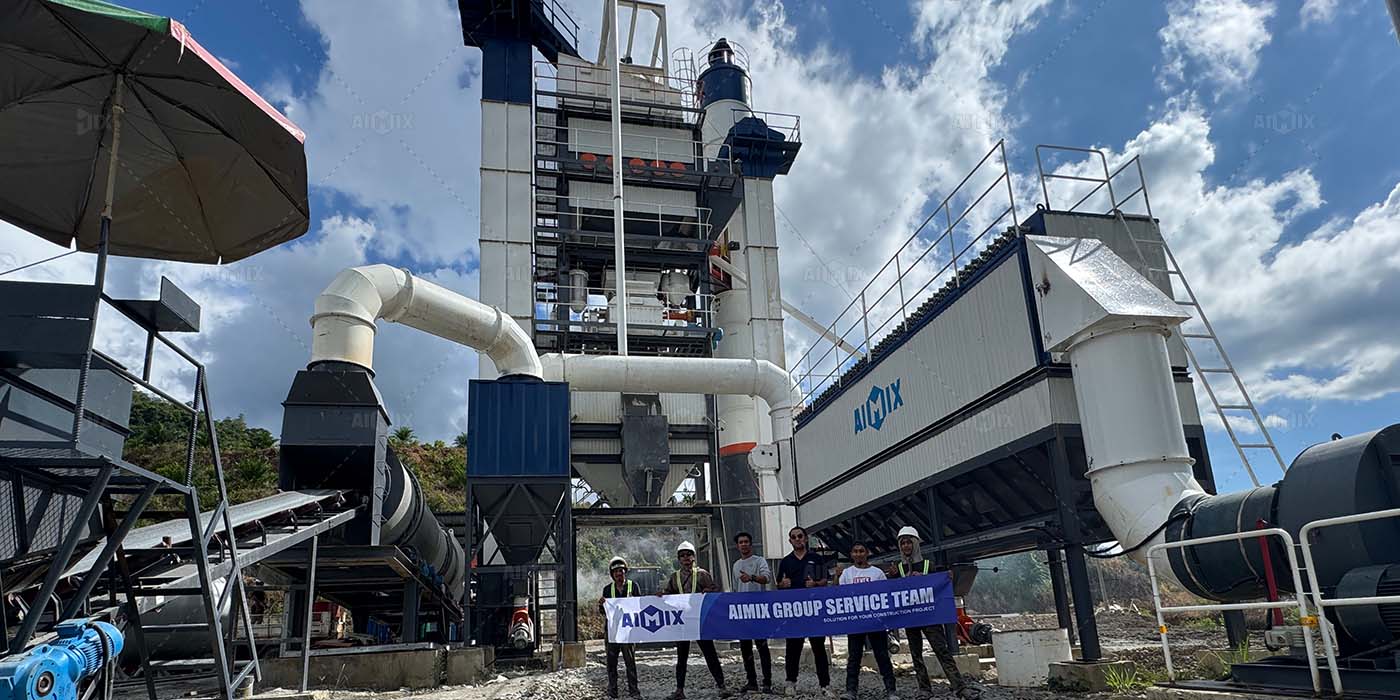
Understanding the Real Demands of a 15 km City Road Rehabilitation
Before picking the right asphalt plant, I always start with the project’s real requirements. Each city road rehab project has its own timeline, traffic management constraints, and material performance expectations. So let me break down what usually matters most for a 600–900 ton daily workload.
1. Daily Asphalt Demand and Working Hours
For a project needing 600–900 tons per day, output consistency matters more than theoretical maximum capacity. Urban projects often work 8–12 hours daily due to noise restrictions. That means the plant must deliver 60–100 tons per hour without fluctuation.
2. Mix Quality Control for Urban Traffic
City roads carry mixed loads — cars, buses, heavy trucks. So the asphalt mix must support long-term durability. This requires stable mixing temperatures, precise bitumen control, and reliable dust recycling. A plant that struggles with temperature swings or unstable aggregate feeding will cause premature pavement failures.
3. Logistics and Material Flow
Because city jobs have limited space, trucks must come and go efficiently. A plant that heats up quickly and maintains a smooth output keeps the trucks fully utilized, avoids bottlenecks, and shortens the overall construction time. Therefore, I also consider fuel type, operational efficiency, and the plant’s ability to run continuously.
With these points clear, the next step is to match the right plant type to the actual daily operation environment.
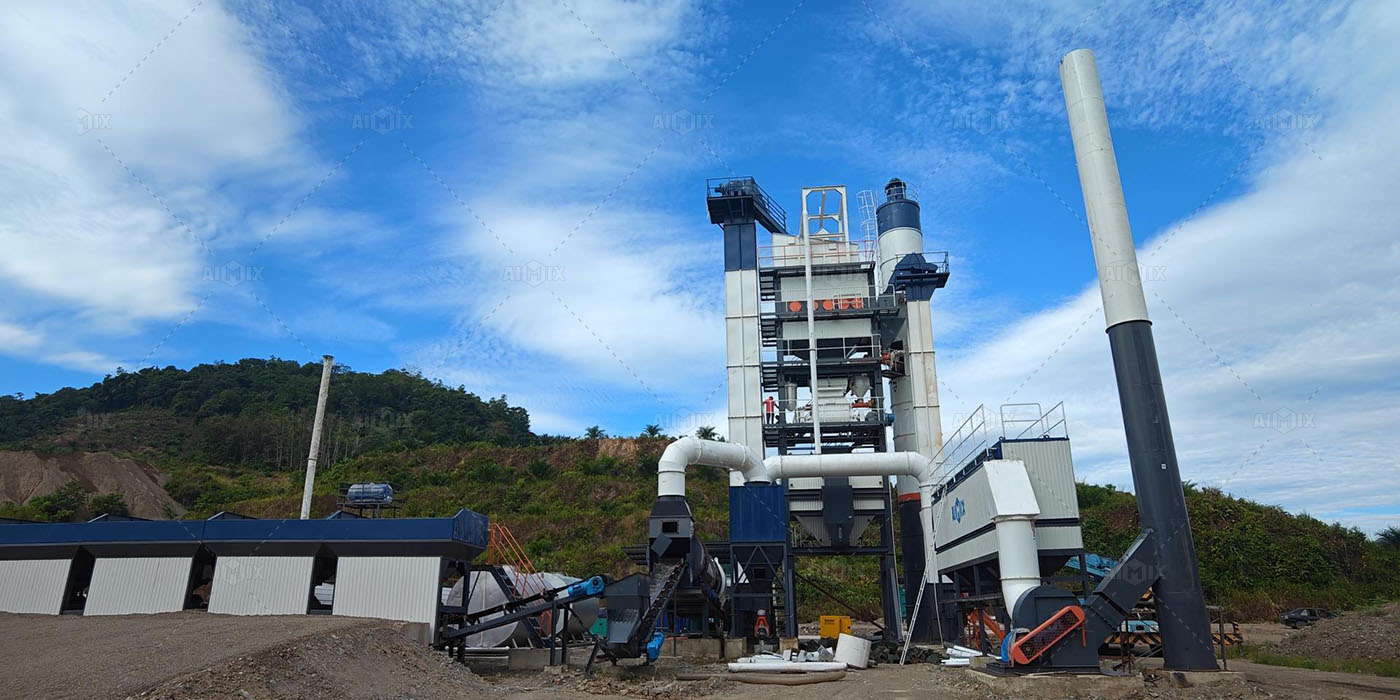
Comparing Suitable Asphalt Plants for 600–900 Tons of Daily Output
Now that the real project needs are clear, I look at which plant types naturally align with this workload. Different buyers prefer different approaches. Some want higher mobility; others need maximum mix precision. So I compare both asphalt batch plant for sale and drum mix plants to help you decide with clarity.
Option 1: Drum Mix Plant (Continuous Type)
A continuous drum mix plant fits contractors who want simple operation and low fuel cost. It suits city rehabilitation when the mix doesn’t require frequent switching.
Why it works:
- Steady 60–120 t/h output meets your 600–900 t daily target.
- Fast start-up and continuous discharge mean fewer delays.
- Lower fuel consumption helps control cost.
- Simplified structure reduces maintenance time.
Best scenarios: stable, single-recipe production for long stretches of the 15 km road.
Option 2: Batch Mix Asphalt Plant (High-Precision Type)
Batch mix plants suit projects with strict quality control requirements or frequent mix variations, such as multiple layers or city standards that require tighter tolerance.
Why it fits:
- Precise weighing and mixing ensure consistent urban pavement quality.
- Capacity of 80–120 t/h easily covers daily 600–900 t needs.
- Flexibility to change mix types for binder, base, and wearing courses.
- Better environmental control, critical for city locations.
Best scenarios: city areas with strict technical specifications and high traffic loads.
Because both types can meet 600–900 tons per day, the final choice depends on your priority: cost efficiency or mix precision.
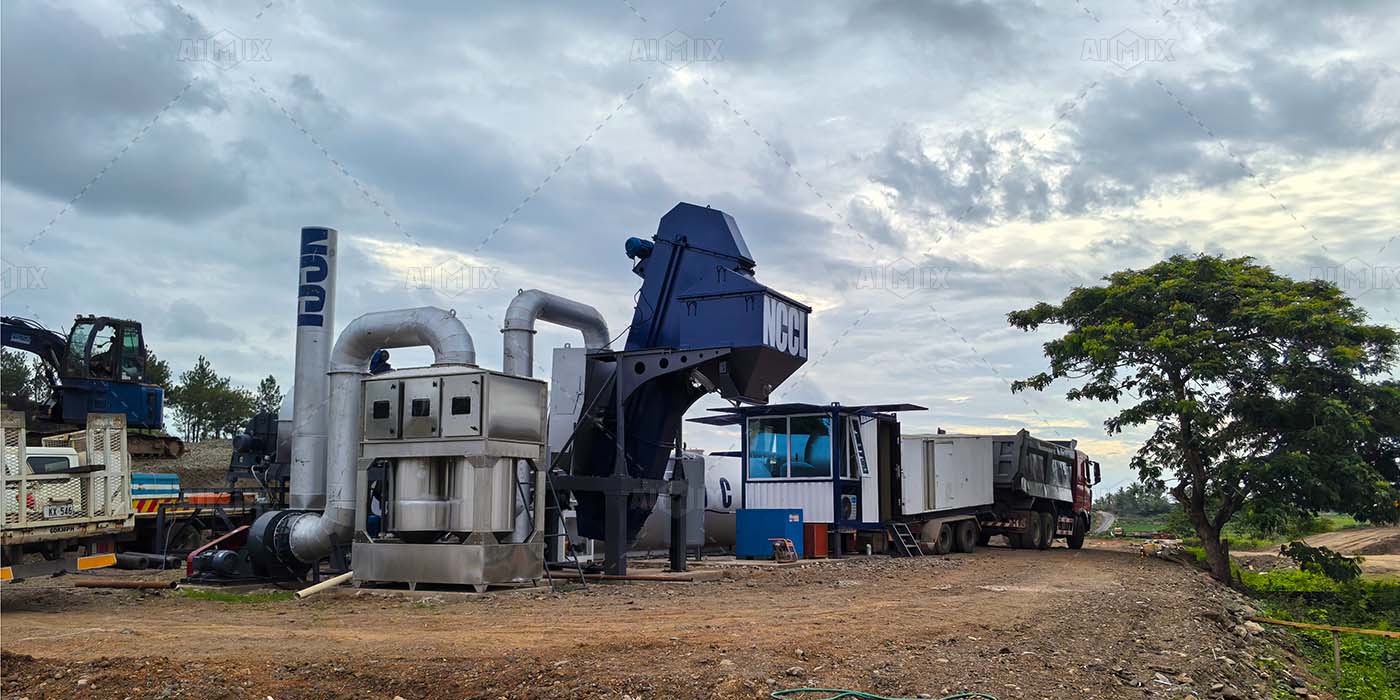
Which Asphalt Plant Capacity Matches 600–900 Tons Per Day?
Now that you’ve seen the strengths of each type, here is the exact capacity range I usually recommend for a 15 km city rehabilitation project.
1. For Drum Mix Plants
Choose models in the 60–120 t/h range. Many contractors pick around 80–100 t/h to keep a 10-hour shift balanced without overloading the system. This gives steady runtime and manageable fuel cost. You can check suitable asphalt drum plant options that meet these requirements.
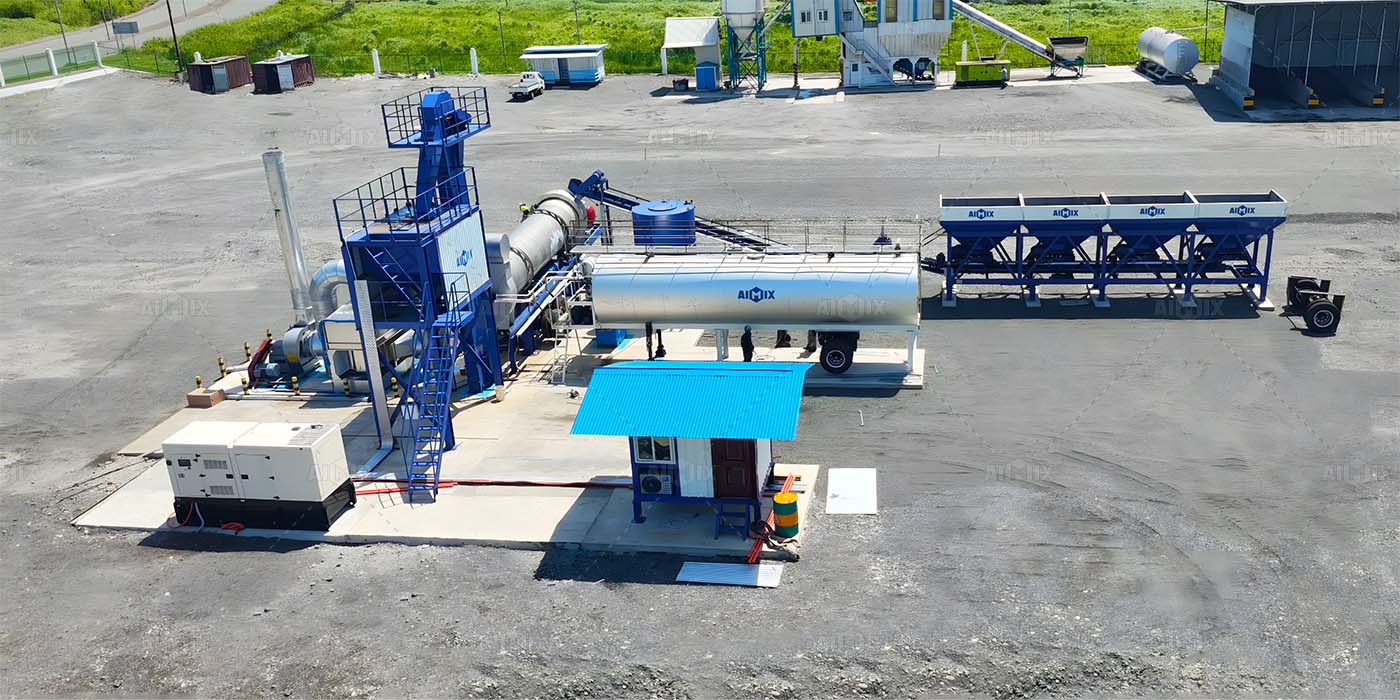
2. For Batch Mix Plants
Select 80–120 t/h models. They offer enough buffer for peak demand days and allow mix flexibility. You can complete 600–900 tons comfortably within normal working hours. If your project involves multiple layers with different gradations, or if the road authority requires strict quality checks, I always suggest a asphalt mixer plant for precision.
If your project involves multiple layers with different gradations, or if the road authority requires strict quality checks, I always suggest a batch mix plant because precision matters more in urban areas.
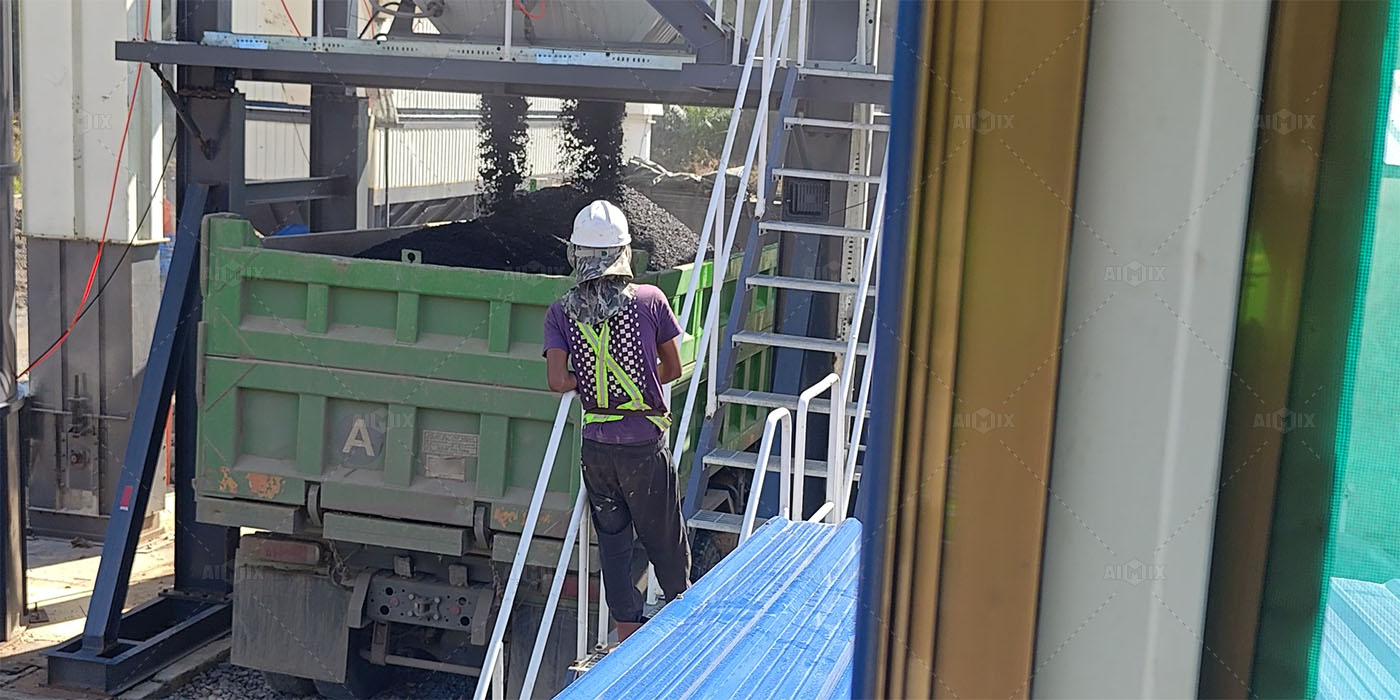
Practical Considerations Before Making the Final Choice
Even after picking the plant type and capacity, I still check a few more points. These factors ensure the plant supports your project from day one until handover.
Fuel Type and Consumption
Your fuel selection affects running cost. Many Indonesian and Southeast Asian contractors choose diesel burners due to stable supply. For some city projects, natural gas is available and cleaner.
Environmental Compliance
City areas require stricter dust and noise control. Batch mix plants usually perform better here. If you choose a drum plant, make sure its dust collection system matches local regulations.
Distance Between Plant and Project Site
Try to keep haul distances within 20–30 minutes. Long hauls cause heat loss. If your location varies across the 15 km stretch, consider installing the plant in a central zone to keep transport even.
Future Project Needs
If you will take more city projects after this one, a batch mix plant gives you more flexibility. If your long-term business focuses on rural highways, a drum mix plant saves more operating cost.
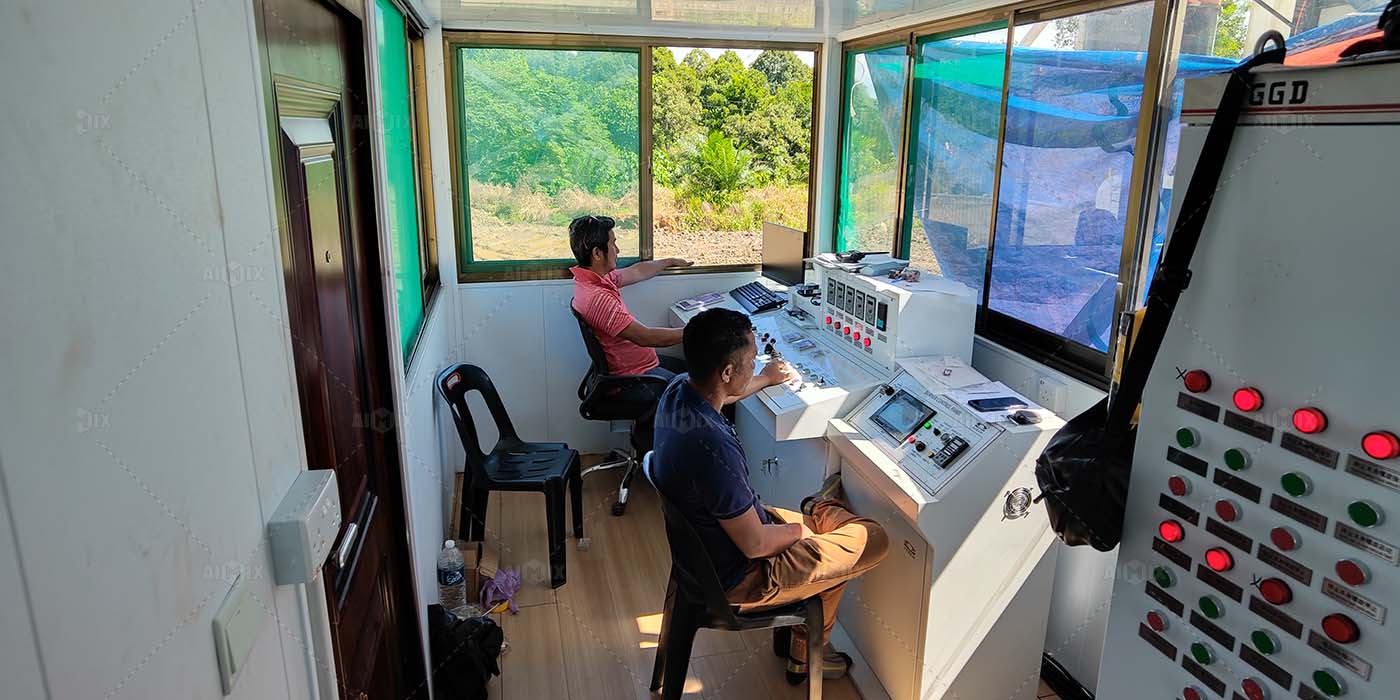
The Ideal Asphalt Plant Recommendation Based on This Project Size
Considering the 600–900 tons daily range, the urban location, and the 15 km length, here’s my recommended final direction:
Recommended Choice for Most Urban Projects
Batch Mix Asphalt Plant, 80–120 t/h
This range gives you mix accuracy, environmental compliance, and daily production stability. It handles multiple layers, adapts easily to spec changes, and fits city road rehab perfectly.
Recommended Choice for Cost-Driven Projects
Drum Mix Asphalt Plant, 80–100 t/h
This is ideal when the mix stays the same and budget efficiency is your top priority.
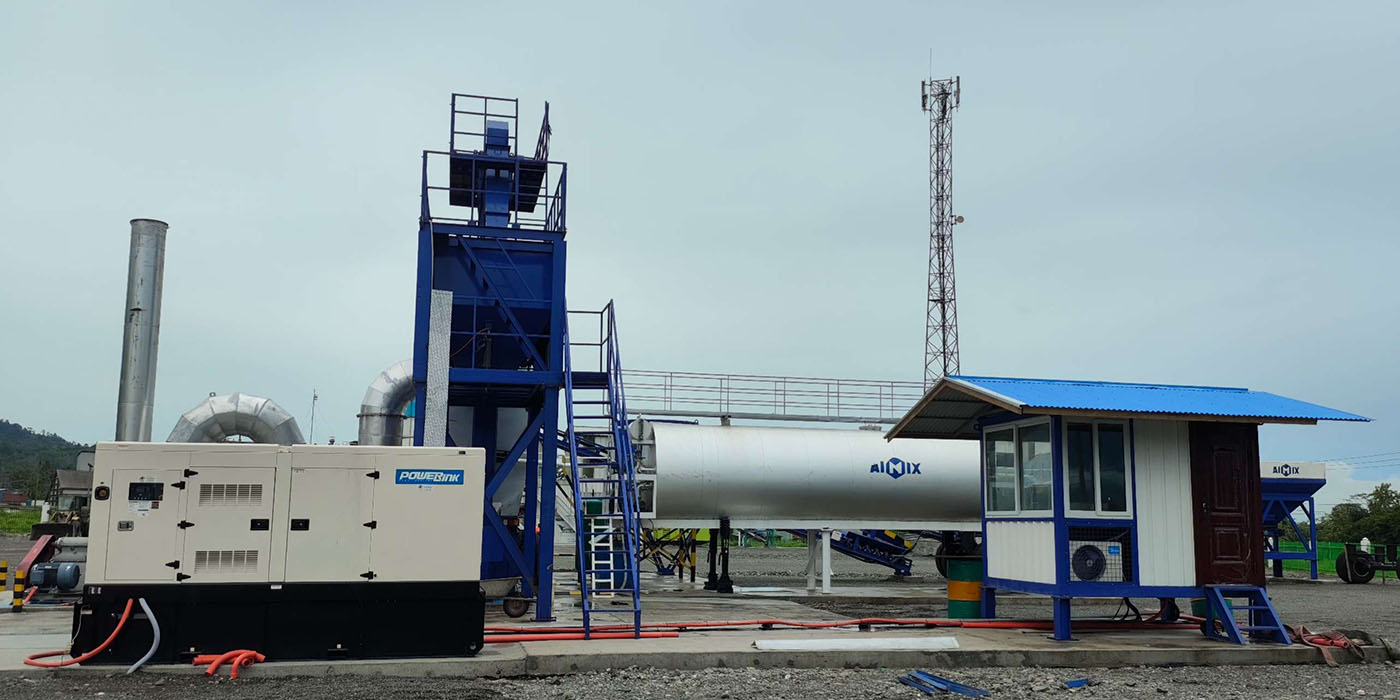
Why I Can Support Your 15 km City Rehabilitation Project Smoothly
When I work with contractors in Indonesia and Southeast Asia, I always focus on real needs and measurable results. My asphalt plant solutions include onsite installation, operator training, mix design guidance, and long-term technical support. Because of this, you can start your project faster and keep production stable from the first day.
I maintain local service teams, spare parts availability, and responsive after-sales support. So whenever something happens, help is close by. This makes your project smoother and more predictable.
Ready to Match the Best Asphalt Plant to Your 15 km Road Project?
Your asphalt plant decision affects your schedule, your budget, and your final pavement quality. If you want me to help you compare exact models, calculate daily production plans, or estimate transport distance impacts, just reach out. I’m happy to help you choose the most suitable, reliable, and profitable asphalt plant for your upcoming city road rehabilitation.
Tell me your daily output target, site location, and total road length — I’ll recommend the best solution immediately.